Zoo Lights Display Ideas with Animal Lanterns
A zoo lights display can turn a daytime zoo, safari park, wildlife park or family attraction into a night-time visitor route. With custom animal lanterns, dinosaur lanterns, garden lanterns, water-based lanterns, butterfly lights and themed archways, a zoo can create night scenery, photo spots, family activity areas and seasonal event routes.
A complete zoo light trail needs more than a few illuminated animal figures. The entrance should introduce the theme, the main route should guide visitors forward, family zones should create interaction, water areas should add atmosphere, and the final section should leave a strong photo memory. Different lantern groups can work together to build a full night tour experience.
Zoo Entrance Light Display Ideas
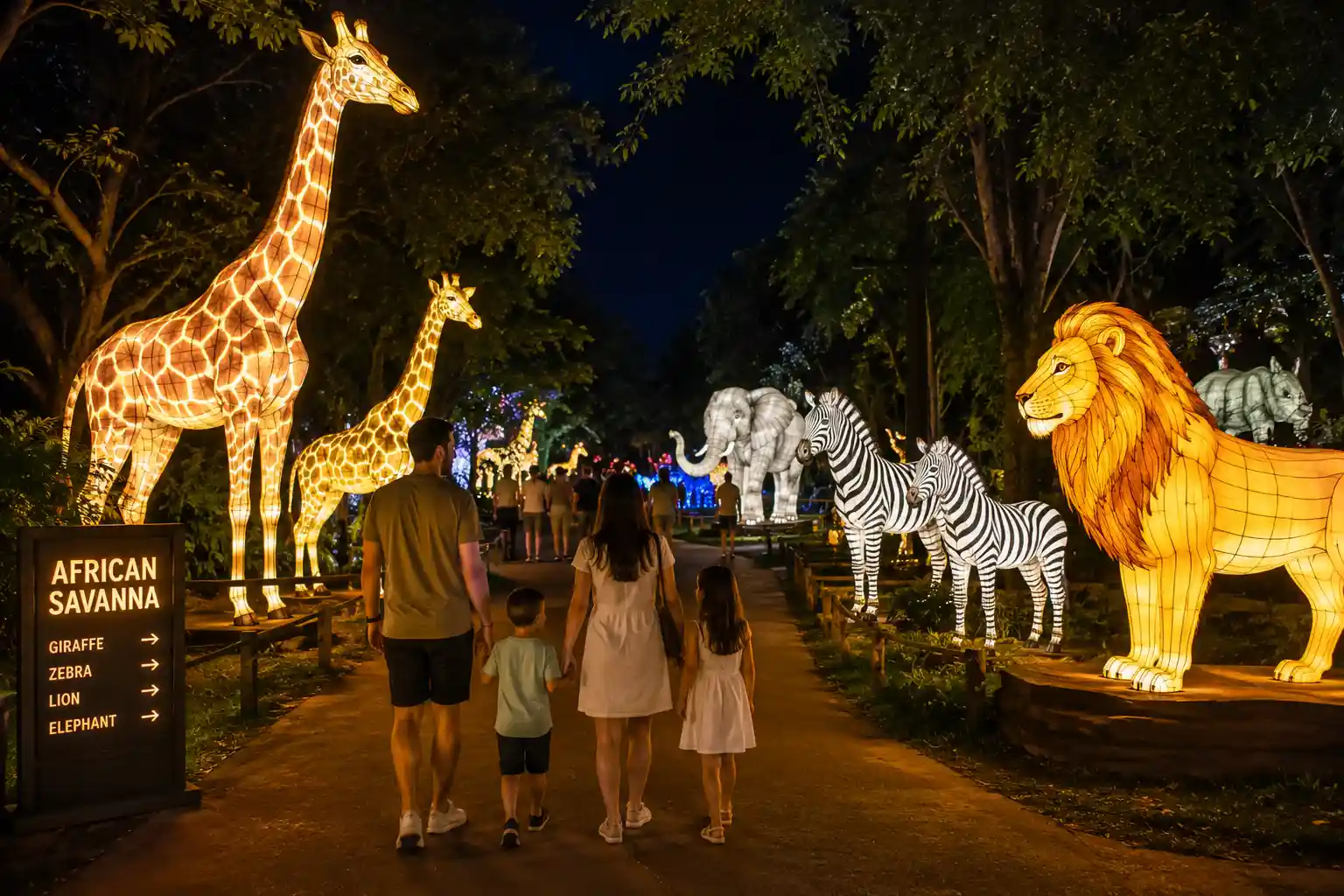
The entrance of a zoo lights event should be bright, clear and easy to recognize from a distance. Large animal lanterns, safari-style entrance arches, giraffe lanterns, zebra lanterns, lion lanterns or tiger lanterns can create the first visual point before visitors enter the route.
For a safari-style zoo, giraffes, lions, zebras, elephants and rhinos can form a strong entrance group. For a family zoo, pandas, rabbits, deer, butterflies and cartoon animal shapes can make the entrance softer and more child-friendly.
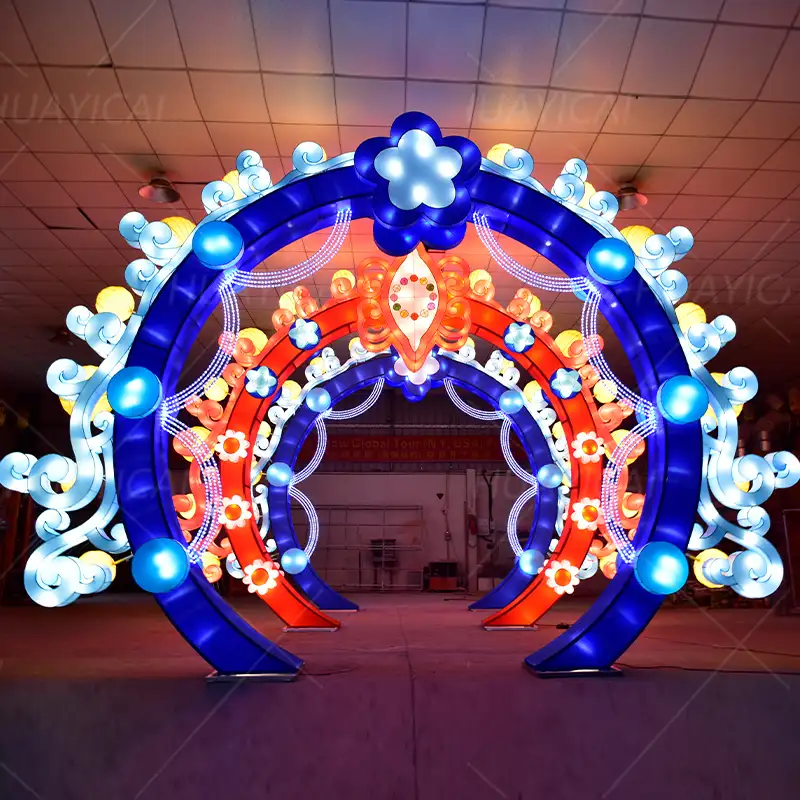
A themed entrance can also use a customizable lantern tunnel or animal-shaped archway. Visitors pass through the light structure and enter the first section of the night route.
Main Zoo Light Trail Route
The main visitor route is the core of a zoo lights display. Visitors should keep moving forward and meet new visual scenes along the way. A good route can divide animal lanterns into different habitats instead of placing all products in one open area.
A grassland zone can use giraffes, zebras, lions, antelopes and rhinos. A forest zone can use deer, foxes, owls, birds, rabbits and glowing trees. A tropical zone can use parrots, butterflies, frogs and monkeys. A polar or winter area can use penguins, polar bears and ice-style lighting.
This type of zoning makes the route easier to understand. It also allows the zoo to match the display with its existing paths, lawns, trees, water features and visitor flow.
Safari Animal Lantern Zone
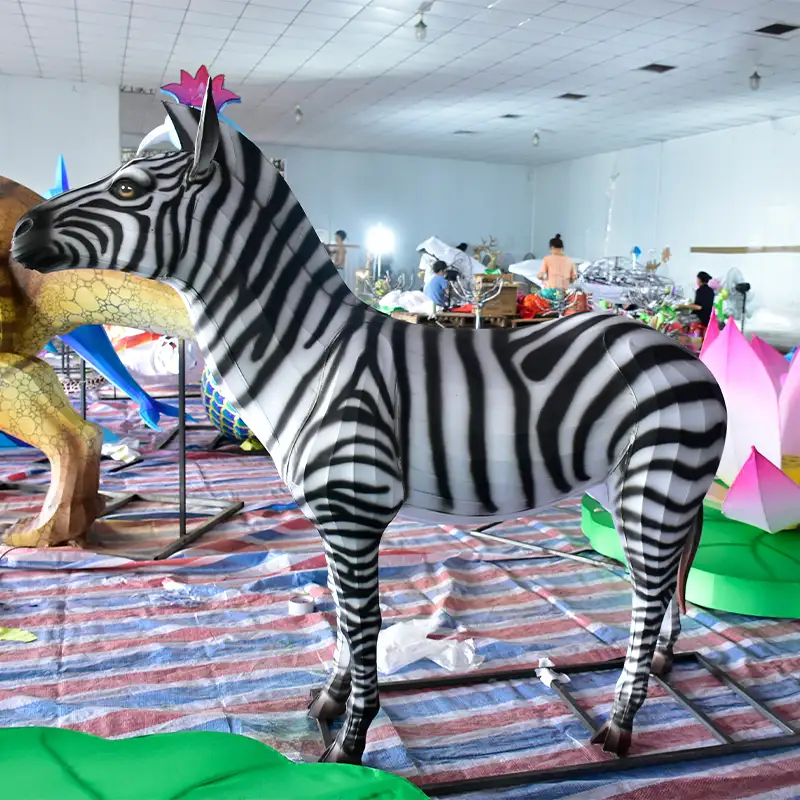
Safari animal lanterns work well in open areas. Giraffes, zebras, lions, elephants and rhinos have strong body shapes and clear outlines. They can be used as large visual points along the main route or as photo backgrounds for visitors.
A tall giraffe lantern can stand near a pathway corner, lawn edge or entrance area. Lion and tiger lanterns suit the center of a theme zone. Zebra and antelope lanterns can be arranged in groups along both sides of the walkway to create a stronger route rhythm.
For this section, warm yellow, orange, white and soft green lighting usually works better than too many mixed colors. The animal shapes stay clear, and the scene feels closer to a natural safari environment.
Forest Animal Lantern Area
A forest animal area can use softer lighting and smaller animal shapes. Deer, foxes, rabbits, owls, birds and squirrels can be placed near trees, curved paths, grass areas and garden corners.
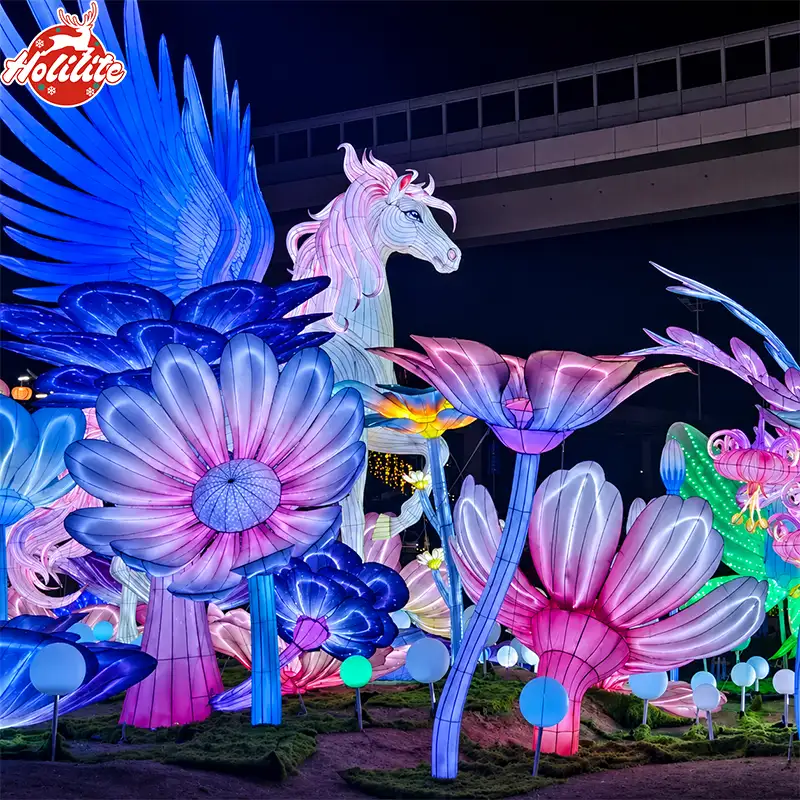
This area can also include glowing trees, mushroom lanterns, flower lanterns, butterfly lanterns and small animal lantern groups. Visitors can walk through a softer night scene where plants and animals appear together, instead of seeing single products standing separately.
Forest zones are suitable for family routes. The animal shapes are friendly, the lighting is not too strong, and visitors can stop for photos without feeling crowded by large structures.
Children’s Animal Lantern Zone
Family visitors are important for zoo night events. A children’s zone can use cute animal shapes such as pandas, rabbits, baby elephants, penguins, deer, butterflies and cartoon-style dinosaurs.
This area does not need to be highly realistic. Rounder shapes, brighter colors and friendly expressions are easier for children to recognize. Parents are also more likely to stop and take photos.
The children’s animal lantern zone can be placed near food areas, playgrounds, small stages, family rest areas or the final part of the visitor route. Panda lanterns, animal photo frames, glowing footprints, small archways and cartoon animal groups can create a short but attractive stop.
Dinosaur Lantern Zone for Adventure Routes
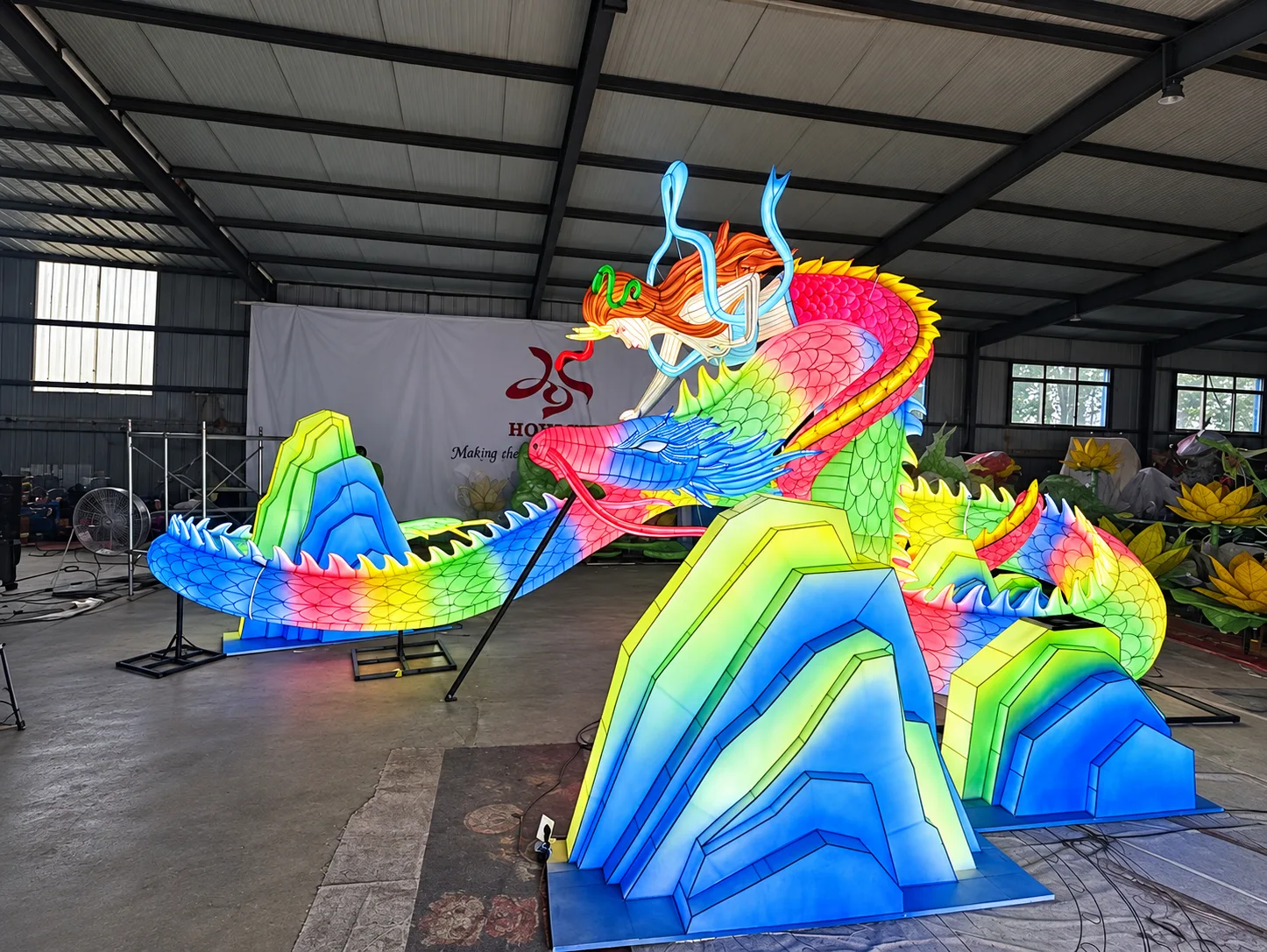
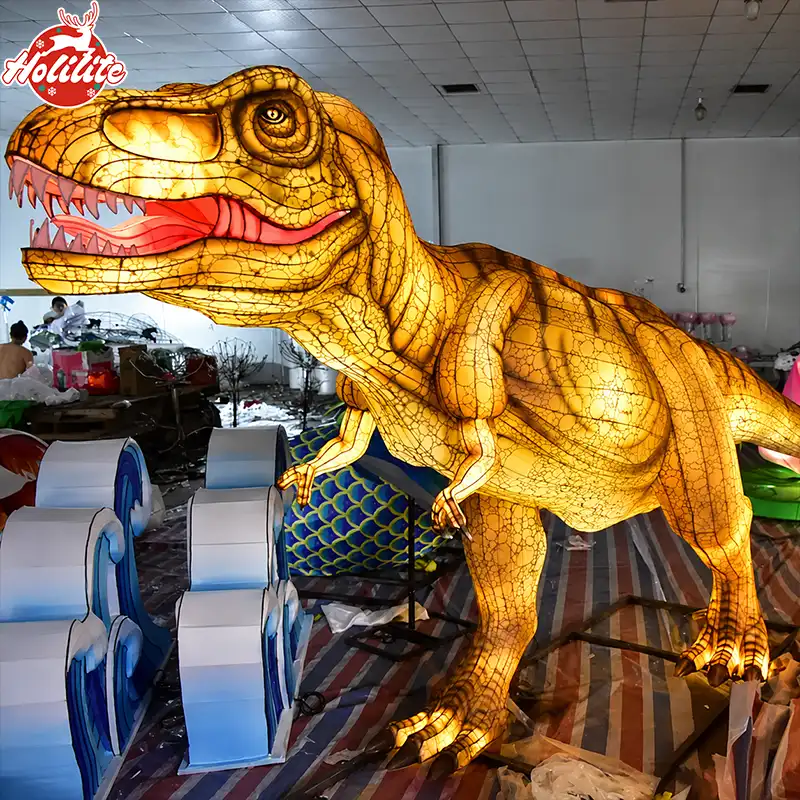
Dinosaur lanterns add a stronger adventure feeling to zoo lights, theme parks and family attractions. T-Rex, triceratops, raptors, dinosaur eggs, volcano lanterns and jungle plant lights can build a separate Jurassic-style zone.
A dinosaur zone can start with a dinosaur entrance arch. The center area can use one large dinosaur as the main visual point, while smaller dinosaurs, eggs and jungle plants connect the route on both sides.
The Jurassic Park Dinosaurs custom lantern display is suitable for wide paths, lawns, forest areas and independent event zones. It can work for summer night tours, children’s festivals, family events, theme park activities and temporary outdoor exhibitions.
Ocean and Water Animal Lantern Area
If the zoo has lakes, ponds, bridges, wetlands or aquarium-themed spaces, an ocean animal lantern area can create a different night atmosphere. Dolphins, jellyfish, sea turtles, fish groups, coral lanterns, lotus lanterns and wave-shaped lights can turn a water route into a strong visual scene.
Water-based decorative lanterns are suitable for lakes, ponds, river edges, waterfront parks and resort water areas. Their reflection on the water surface adds depth to the display and makes the scene more attractive at night.
This area should not be too crowded. Leaving space for water reflection often creates a better result than filling the entire water surface with lighting products. Visitors can take photos from bridges, viewing platforms or lakeside paths.

Butterfly and Garden Lantern Route
Butterflies, dragonflies, bees, ladybugs and glowing flowers suit garden paths, plant areas and family walking routes. Compared with large safari animals, insect and butterfly lanterns feel lighter, softer and more colorful.
The butterfly lantern can be placed near flower beds, trees, garden entrances and photo walls. Large butterflies can stand as independent photo points, while smaller butterfly lights can enrich the space around flower lanterns and forest scenes.
This theme works well for spring and summer zoo night events, botanical garden displays, family routes, resort gardens and outdoor carnival areas. It can also serve as a transition between animal zones and garden sections.

Educational Themes for Zoo Lights
A zoo has natural educational value. Animal lanterns can connect with habitats, migration routes, endangered species, marine ecology and local wildlife stories.
The safari zone can show grassland animals and their living environment. The forest zone can show the relationship between animals, birds, insects and plants. The ocean area can connect sea turtles, coral, fish and water protection themes. A polar zone can use penguins, polar bears and ice lighting to create a cold-region story.
The text does not need to be long. Short labels, icons, maps and simple visitor questions are enough. The lights attract attention, while the short information gives visitors something to remember.
Photo Spot Design for Zoo Visitors
A zoo lights display should include clear photo points. Not every lantern needs to be a photo spot. Some products are better for long-distance viewing, while others are better for close interaction.
Good photo spot products include panda lanterns, giraffe lanterns, animal arches, dinosaur lanterns, ocean animal groups, butterfly gardens and large animal photo frames. Each photo point should leave enough space for visitors to stand, take pictures and move away without blocking the main route.
A practical layout can place one photo point at the entrance, one in the safari zone, one near the children’s area, one by the water section and one near the exit. This gives visitors several sharing moments during the full route.
Zoo Lights Display Product Combinations
| Display Area | Recommended Products | Main Use |
|---|---|---|
| Entrance Area | Animal arch, giraffe lanterns, lion lanterns, zebra lanterns | Introduce the theme and attract visitors into the route |
| Safari Zone | Animal lantern sculptures, elephants, rhinos, antelope groups | Create large visual points and photo backgrounds |
| Forest Zone | Enchanted garden lights, deer, foxes, birds, glowing trees | Build a softer walking atmosphere |
| Children’s Zone | Panda lanterns, baby animal lanterns, cartoon animals, small arches | Increase family interaction and stop time |
| Dinosaur Zone | Dinosaur lanterns, dinosaur eggs, volcano lanterns, jungle plants | Add adventure feeling and strong visual impact |
| Water Area | Water-based lanterns, fish, jellyfish, lotus lights, wave lights | Create reflection, depth and waterfront atmosphere |
| Garden Route | Butterfly lanterns, flower lanterns, insect lights | Connect garden paths and family photo points |
| Transition Route | Lantern tunnels, archways, pathway lights | Guide visitors between different themed zones |
What to Confirm Before Designing a Zoo Lights Project
A zoo lights display is a route-based project. Before choosing products, the project team should confirm the route length, entrance position, main pathway width, lawn area, water feature location, power supply, visitor flow and event period.
If the route is long, the lanterns should be divided into several themed zones. Each zone needs one main visual point, while smaller animal lanterns, plant lights, ground lights and guide lights connect the walking path. This keeps the display from feeling empty between major scenes.
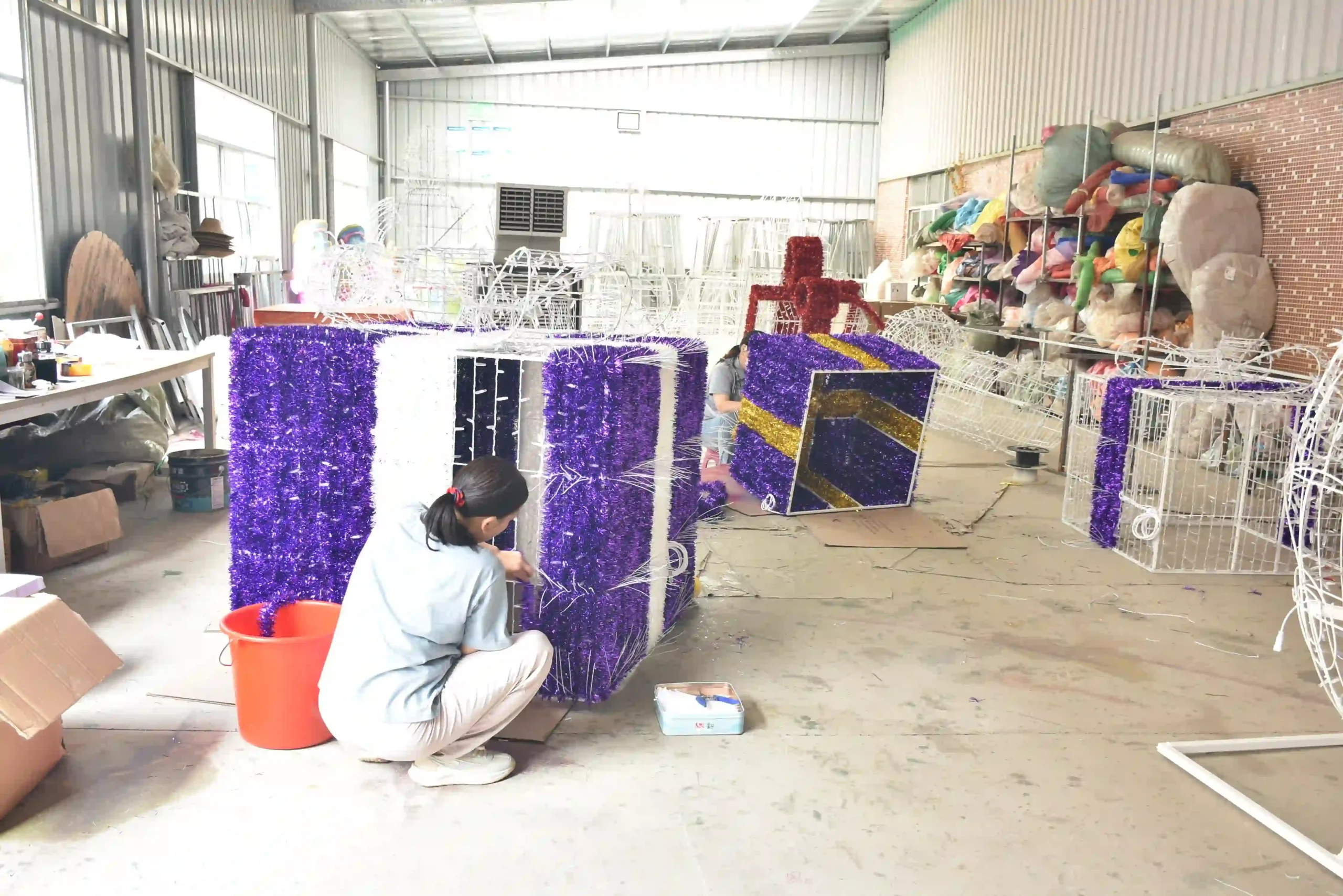
Outdoor projects also need waterproof lighting, wind resistance, ground fixing, safe wiring, night-time safety planning and maintenance access. Large animal lanterns need to be designed with transport sections and on-site installation space in mind. Water-area lanterns need proper fixing, cable protection and viewing distance.
Custom projects can adjust animal species, size, color, lighting effect, surface pattern and installation structure according to the zoo theme. If the zoo has a representative animal, it can become the main visual element of the night route and make the display more connected to the zoo’s own identity.