Mid-Autumn Festival Around the World: Four Celebrations After Dark
A full moon rises above Singapore’s skyline. Children carrying star-shaped lanterns fill the streets of Hanoi. Japanese gardens grow quiet under the autumn moon, while palaces and hanok villages in Korea welcome visitors dressed in traditional clothing.
Across Asia, the Mid-Autumn season has grown into a calendar of public festivals, lantern walks, cultural performances and evening attractions. Each destination keeps its own character, giving event planners a wide range of ideas for parks, botanical gardens, shopping centers, resorts and city celebrations.
Mid-Autumn Festival in Singapore
Singapore presents the Mid-Autumn Festival on a city scale.
At Gardens by the Bay, giant lantern sets appear beside the Supertrees, across lawns and on Dragonfly Lake. Recent editions have featured floating installations, mass lantern walks, cultural performances and moon-themed light-and-sound shows.
The lantern scenes draw heavily from local life. Singaporean shophouses, HDB estates, playgrounds, food culture and tropical plants appear beside familiar Mid-Autumn images. The result feels connected to the city rather than imported from another celebration.
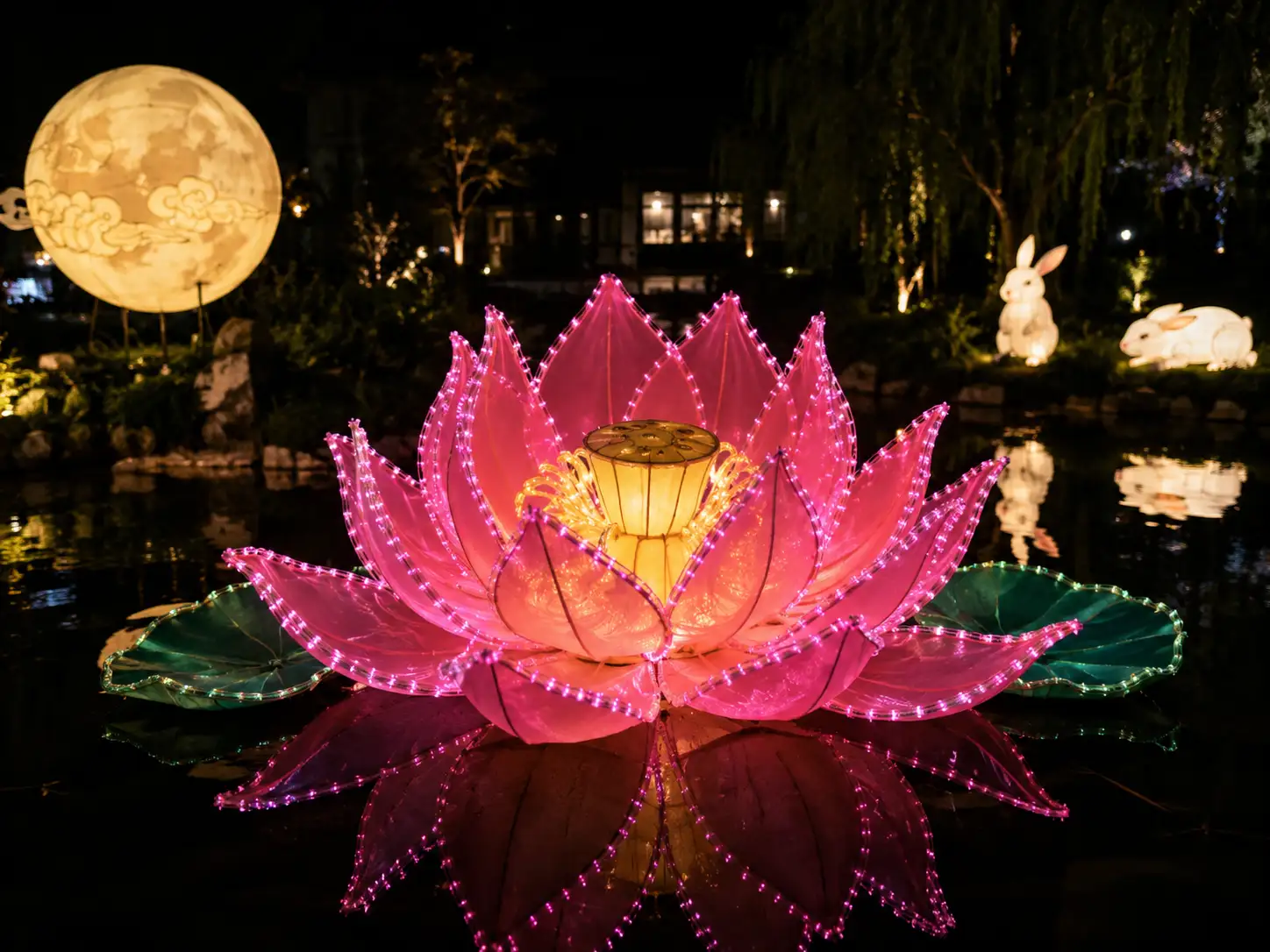
Water plays a major role in the visitor experience. A large illuminated scene placed on a lake can be viewed from several directions, while its reflection adds depth after dark. Similar effects can be created with custom
water-based decorative lanterns shaped as moons, lotus flowers, fish, boats or local landmarks.
For shopping districts and compact urban plazas, the same idea can be reduced to one strong photo area. A moon gateway marks the entrance, hanging lanterns frame the route, and a rabbit or floral composition becomes the central photo spot.
The Singapore format works well for venues that want a full evening program rather than a single decoration. Lantern displays, food stalls, craft workshops, music and walking routes keep visitors moving through the venue long after sunset.
Vietnam’s Mid-Autumn Lantern Parades
Vietnam’s Tết Trung Thu brings its brightest scenes to the street.
Children carry glowing star lanterns, carp lanterns and handmade paper lights through crowded neighborhoods. Lion dance teams move between shops and public squares as drums cut through the evening noise. In Hanoi, streets selling toys, masks and festival decorations become colorful attractions in their own right.
A Vietnam-inspired festival route can begin with an oversized star lantern at the entrance. Colorful hanging lights continue above the street, while lion, carp, butterfly and rabbit lanterns create smaller scenes along the way.
Holilite’s
custom animal lanterns can be adapted to regional colors, traditional patterns or cartoon-style characters. A set of smaller figures works well beside children’s activity areas, while one large animal sculpture can anchor a plaza or parade finish point.
The strongest layout keeps the energy moving:
Festival entrance → lantern street → lion dance area → children’s workshop → moon photo scene
This format suits pedestrian streets, family attractions, commercial districts and community festivals. Bright colors, recognizable characters and short viewing distances create a lively atmosphere without relying on one oversized centerpiece.
Tsukimi in Japan
Japan’s autumn moon-viewing tradition, known as Tsukimi, creates a quieter night.
Pampas grass moves beside a garden path. Round tsukimi dango are arranged near a window or veranda. The moon appears above a temple roof, beyond a castle wall or in the reflection of a pond.
The lighting stays restrained. Warm-white path lights, low garden lanterns and carefully positioned illuminated shapes leave room for shadows, plants and architecture.
A large moon installation can sit at the far end of a garden, beside water or within a framed view between trees. Small rabbit lanterns may appear among grasses and stones, giving visitors details to discover as they walk.
For resorts, hotels and botanical gardens, a
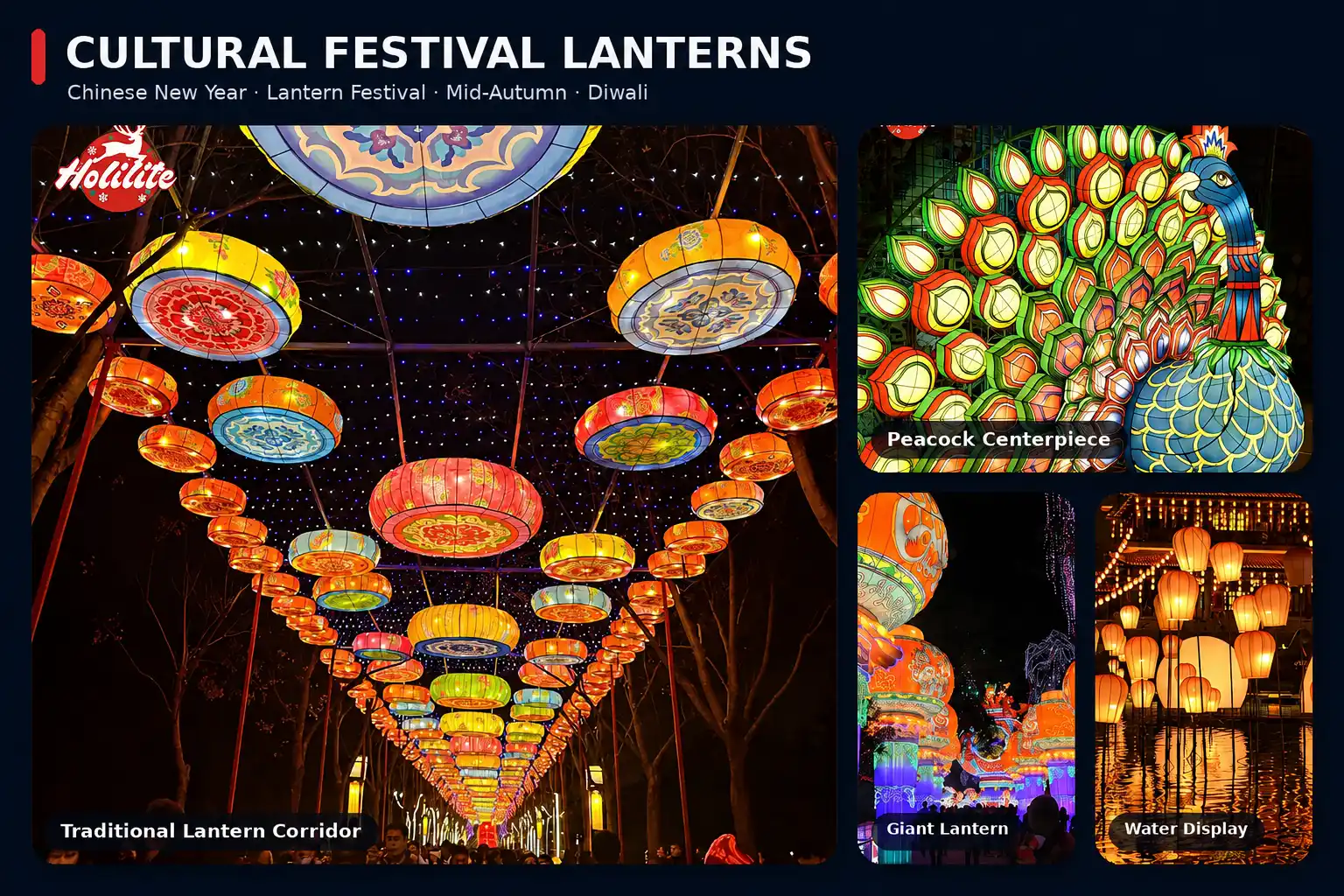
peacock lantern display can introduce a more decorative focal point. Soft gold, blue and white lighting allows the piece to sit naturally beside water, flowers and landscaped gardens. Its illuminated tail can form a photo backdrop without turning the entire venue into a brightly colored carnival.
A Tsukimi-inspired event works best when visitors can slow down. Garden walks, tea areas, seasonal food, acoustic performances and moon-viewing platforms support a calm evening experience.
Chuseok in Korea
Chuseok brings the autumn full moon into palaces, folk villages and traditional courtyards.
Visitors wearing hanbok walk beneath tiled roofs and wooden corridors. Harvest displays feature rice, fruit and songpyeon, while cultural programs include folk games, music and traditional dance.
The visual language feels warm and grounded. A full-moon gateway can frame the entrance to a courtyard. Illuminated rice stalks and floral lanterns line the route, while a circular performance space leaves room for folk dance and group activities.
Traditional architecture remains the main backdrop. Low lantern groups can be placed across the courtyard, with
traditional hanging lanterns suspended along corridors or entrance streets. Colors can be adapted to Korean patterns, venue branding and local architectural details.
The main moon should sit on a clear visual axis. Visitors see it through a gate, beyond a courtyard or at the end of a lantern-lined path. The view feels deliberate and gives the festival a recognizable image for photography and promotion.
A Hong Kong Mid-Autumn Light Show by Holilite
Holilite’s
Hong Kong Mid-Autumn Lantern Festival project combines traditional lantern art with contemporary lighting performance.
Large illuminated structures form the physical setting, while programmed light, sound, changing patterns and interactive effects bring movement to the night scene. The design moves beyond a static lantern exhibition and creates an immersive festival environment for public audiences.
This approach is well suited to waterfront areas, city plazas, theme parks and destination events. A central moon or cultural landmark can lead the show, with lantern corridors, animal figures and interactive zones arranged around it.
For long visitor routes,
customizable lantern tunnels can connect the entrance, performance zone and central display. They add continuity between larger installations and create additional photo areas without competing with the main centerpiece.
Building a Mid-Autumn Festival Route
A successful festival needs a clear first view.
Visitors should immediately see the moon, an illuminated gateway or another landmark installation when they enter the venue. Smaller lantern groups can then build the story along the route.
A practical layout may include:
Moon entrance → hanging lantern street → cultural lantern scenes → central landmark → interactive area → performance stage → evening market
Each zone should have a distinct visual role.
The entrance introduces the event. The lantern street sets the atmosphere. Cultural scenes give visitors details to explore. The main installation creates the signature photograph. Workshops and performances increase dwell time, while the market supports food, retail and sponsorship activities.
For large parks, tourism destinations and municipal events,
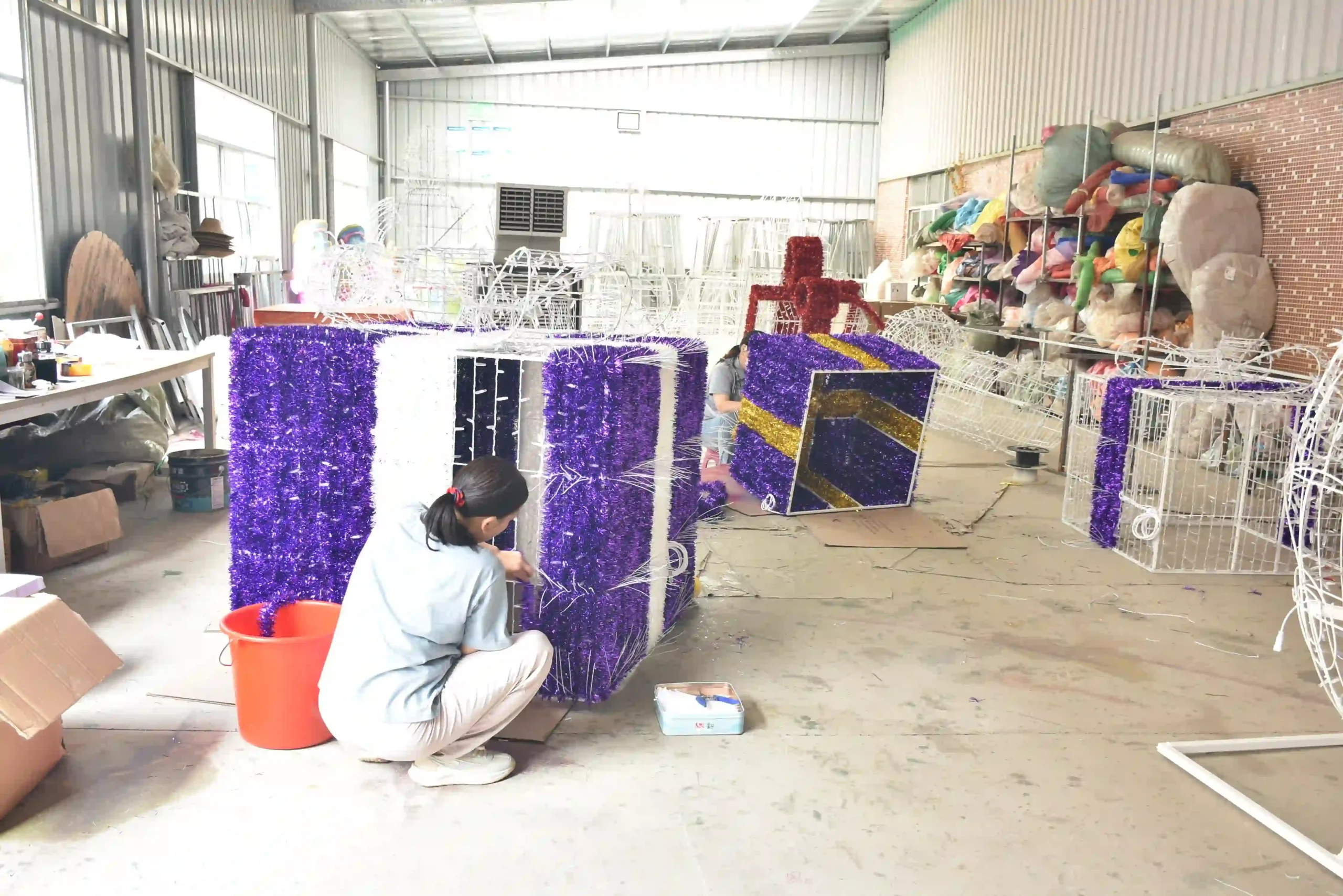
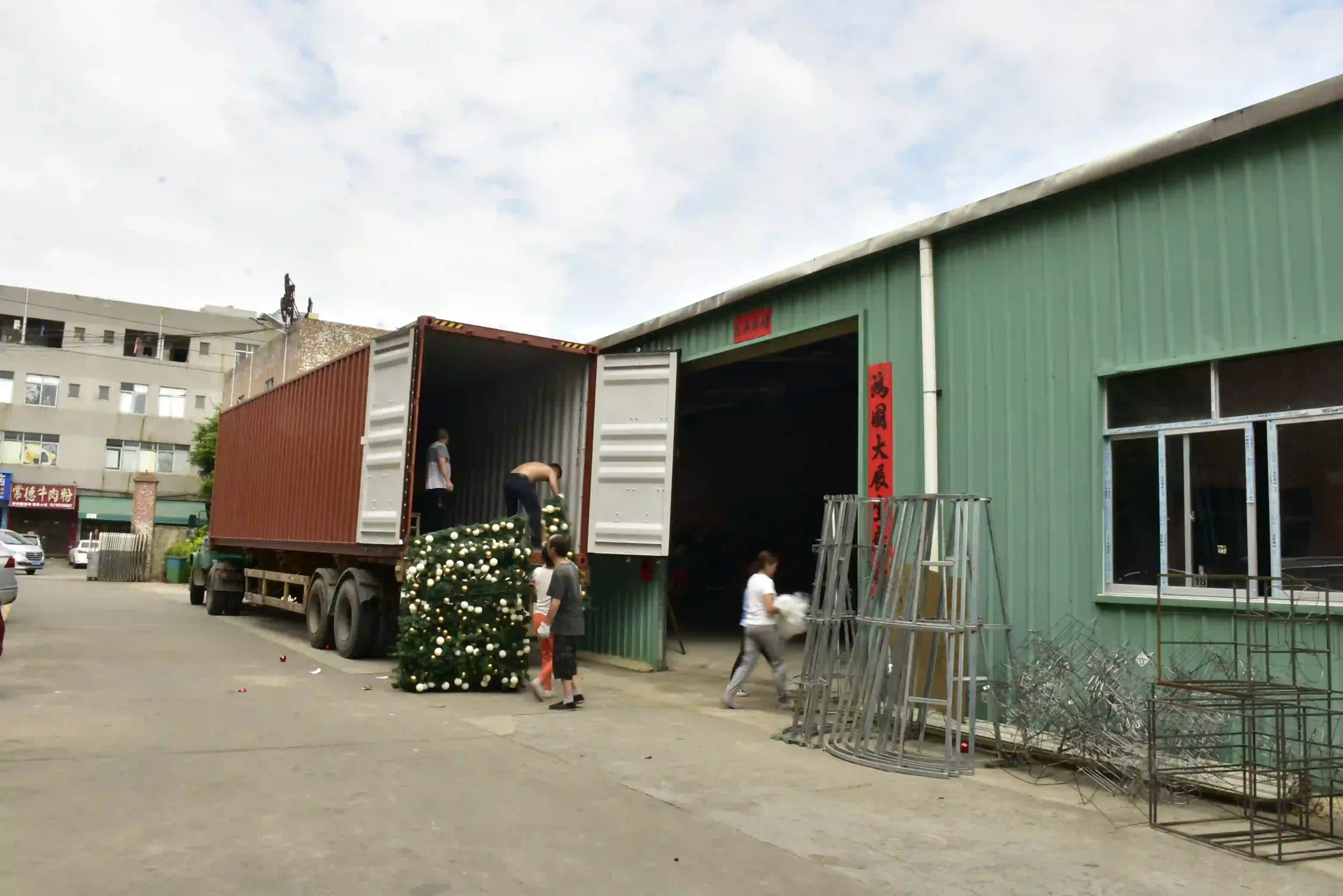
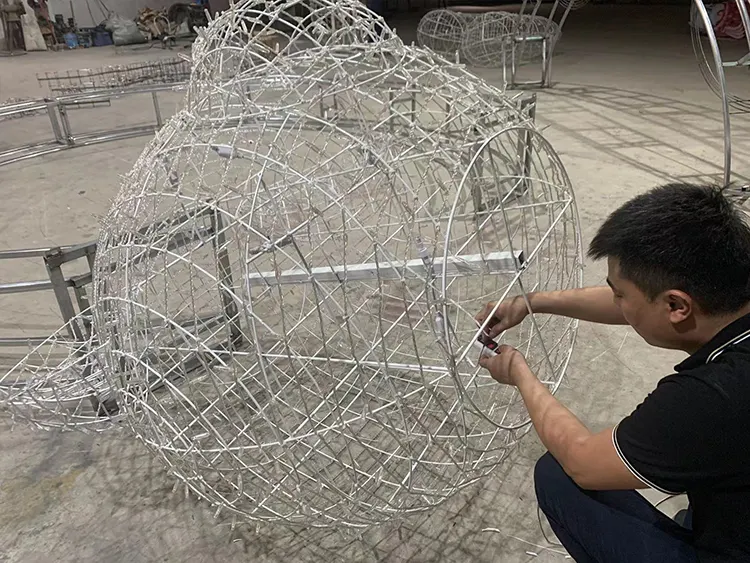
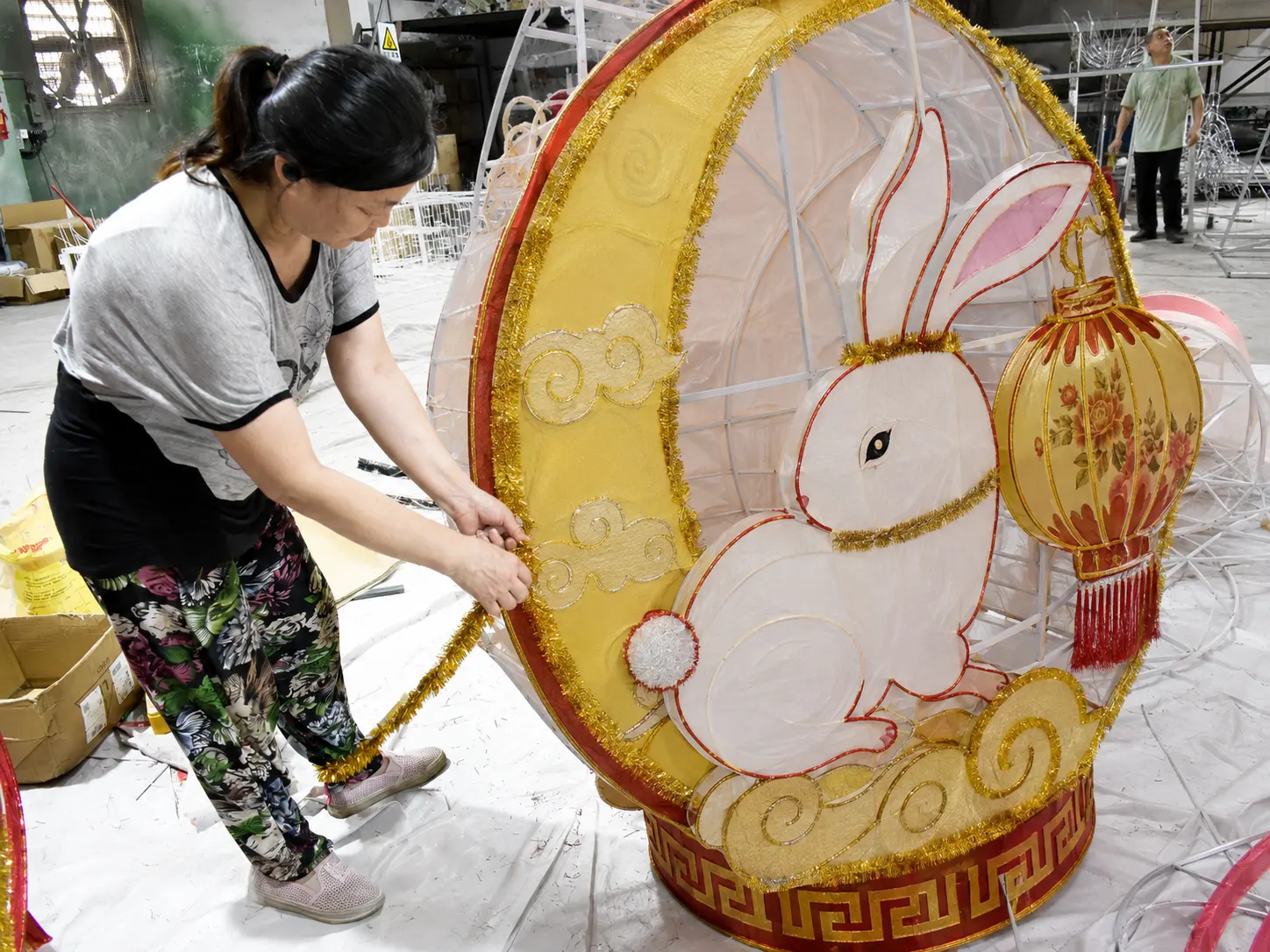
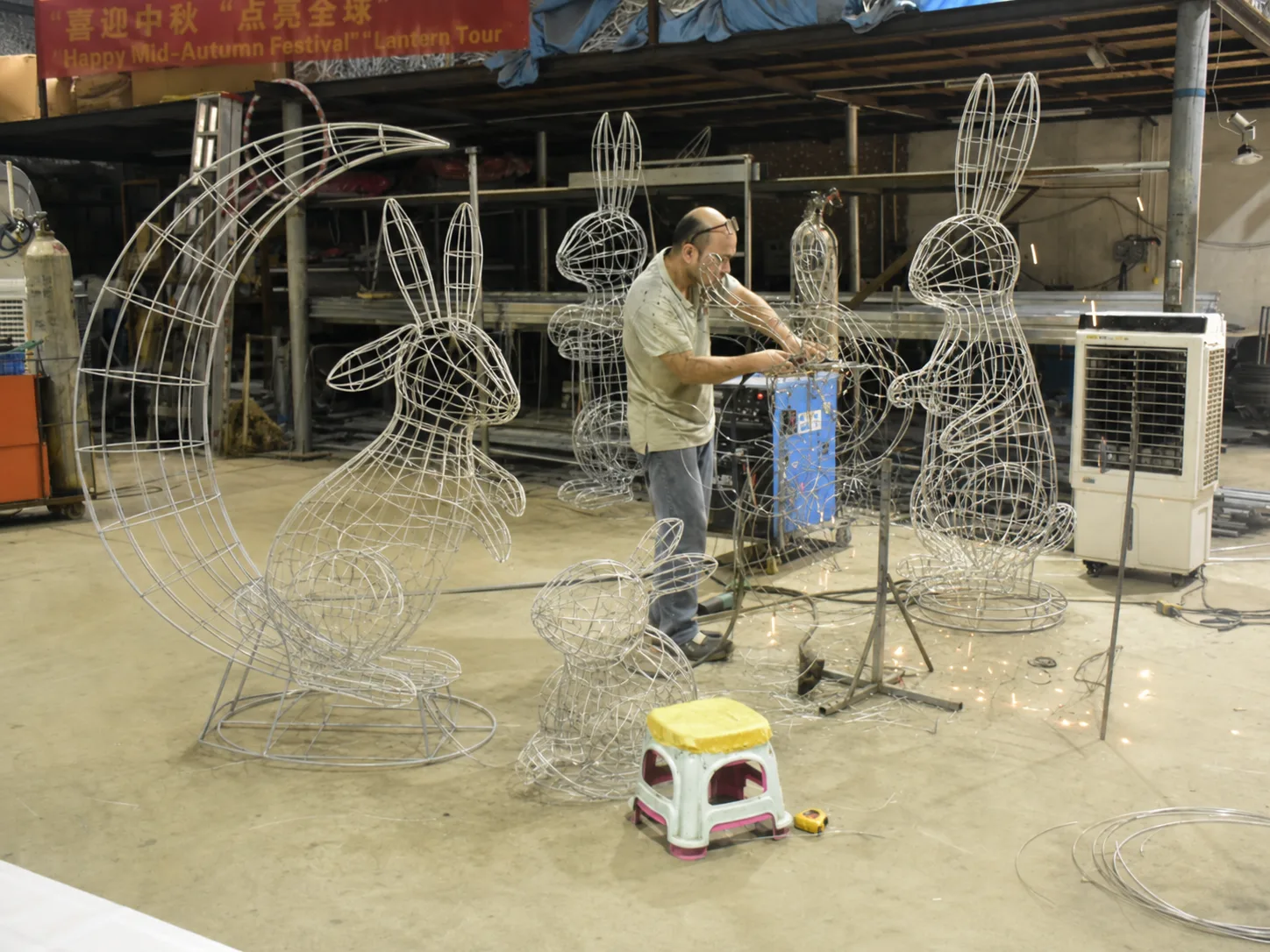
large festival lantern displays can be developed as modular sections. Entrance gates, central sculptures, animal groups and water installations are produced separately, packed for international transport and assembled on site.
Bringing Local Culture Into the Lantern Design
A Mid-Autumn festival overseas should belong to its location.
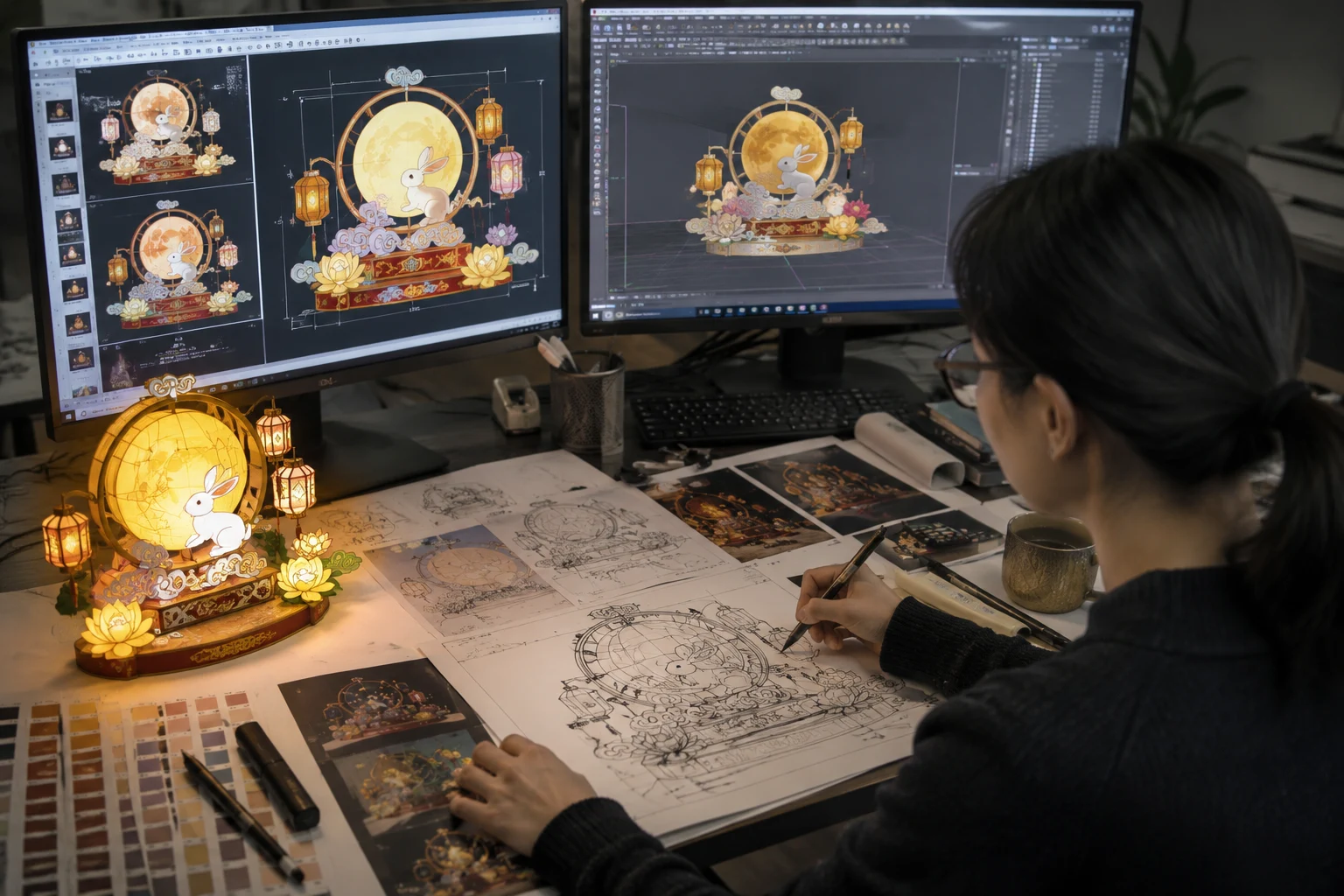
Singapore can bring shophouses, tropical flowers and skyline elements into the lantern artwork. Vietnam can use star lanterns, carp, masks and lion dance imagery. Japan can focus on gardens, pampas grass, water reflections and seasonal food. Korea can introduce hanbok colors, rice fields, songpyeon and traditional architectural patterns.
City landmarks, local wildlife, native flowers and community stories can also appear within the display.
The moon ties the project together, while local details give visitors something familiar to recognize. This balance creates a festival that works for Asian communities, international tourists and local families.
Lantern Displays for Parks, Malls and Resorts
Different venues need different scales.
A botanical garden may use moonlit trails, water lanterns and floral sculptures. A city plaza needs a highly visible centerpiece and an open performance area. A shopping mall can build a compact moon-and-rabbit photo scene around an atrium or entrance. A resort may prefer a quieter garden route with warm lighting and cultural dining experiences.
The Holilite
Festival Lantern Product List includes moon lanterns, Jade Rabbit displays, lotus flowers, peacocks, hanging lanterns, entrance gates, water scenes and illuminated event signs. Each element can be adjusted around the site plan, visitor capacity and local theme.
Outdoor structures also need to match the installation environment. Wind exposure, rainfall, public access, electrical distribution and emergency routes should be considered during the design stage. Modular frames, numbered connections and pre-installation testing help overseas teams complete assembly more efficiently.
One Moon, Many Festival Nights
Singapore turns Mid-Autumn into a city garden light show. Vietnam fills the streets with children and colorful lanterns. Japan creates space for quiet moon viewing. Korea brings the harvest season into palaces and traditional courtyards.
Each celebration offers a different route into the same season.
For parks, tourist attractions, shopping centers, hotels and municipal spaces, the strongest concept begins with one memorable night scene: a moon above the water, a lantern-filled street, a glowing garden or a courtyard framed by autumn light.
From there, the festival can grow into a complete evening destination.
FAQ
Which countries have major Mid-Autumn celebrations?
Singapore, Vietnam, Japan and Korea all hold well-established autumn festivals connected with the full moon, harvest traditions, family gatherings or public cultural events. Mid-Autumn events are also held in Malaysia, Thailand, the United States, Canada, the United Kingdom and Australia.
Which lanterns work well for a Mid-Autumn event?
Giant moons, rabbit lanterns, lotus flowers, peacocks, traditional hanging lanterns, illuminated gateways and water-based displays are widely used. Local animals, landmarks and cultural patterns can be added to create a regional theme.
Can a Mid-Autumn lantern display be customized for another country?
Yes. The size, colors, characters, patterns, lighting effects and installation layout can be developed around the host city, venue and target audience.
Where can a commercial Mid-Autumn festival be held?
Suitable venues include parks, botanical gardens, waterfront areas, tourist attractions, shopping malls, hotels, resorts, pedestrian streets, theme parks and public squares.
Can large lantern installations be shipped overseas?
Large displays can be divided into modular sections for packing and transport. Numbered components, structural drawings, electrical information and installation guidance support local assembly.