What Is the Culture of Christmas?
Christmas is no longer experienced only as a religious holiday. In many parts of the world, it has also become a broad cultural celebration shaped by tradition, creativity, family connection, public events, seasonal decoration, and modern lifestyles.
From Christmas trees and illuminated streets to family gatherings, gift-giving, music, food, and public displays, Christmas culture continues to evolve while remaining surprisingly recognizable across different countries.
1. A Blend of History and Modern Life
Christmas originally commemorates the birth of Jesus, but the way the season is celebrated today has also been influenced by older winter traditions, European folklore, regional customs, commercial culture, media, and modern entertainment.
This combination of older traditions and newer expressions helps explain why Christmas can feel familiar and traditional while still changing from one generation to another.
2. The Heart of Christmas Culture: Human Connection
Across countries and languages, one of the strongest themes in Christmas culture is bringing people together.
The season is often associated with:
- Sharing and generosity
- Family and community
- Appreciation and gratitude
- Celebration and relaxation
These values help explain why Christmas remains meaningful even in places where the celebration is less religious and more cultural or seasonal.
3. Christmas Symbols Recognized Around the World
Although Christmas traditions vary by country, several symbols have become widely recognizable across different cultures and environments.
Christmas Trees
Christmas trees are strongly associated with hope, celebration, gathering, and seasonal decoration.
Christmas Lights
Lights bring warmth, color, visibility, and a sense of celebration to homes, streets, public spaces, and commercial environments.
Santa Claus
Santa Claus has become a widely recognized symbol of generosity, imagination, gift-giving, and childhood Christmas traditions.
Wreaths and Ornaments
Wreaths, baubles, stars, ribbons, garlands, bells, and other decorative elements help establish the familiar visual language of Christmas.
Music and Movies
Seasonal songs, films, and stories reinforce shared memories and help Christmas culture spread across generations and countries.
Together, these symbols make Christmas visually recognizable even when the details of the celebration differ from one place to another.
4. Christmas Looks Different Around the World
Christmas culture is not fixed. It adapts to local customs, climate, religion, lifestyle, and social habits.
United States and Europe
Family meals, gift exchanges, decorated homes, Christmas markets, public trees, festive streets, and seasonal events are common parts of the celebration.
Latin America
Celebrations can combine religious ceremonies, family gatherings, public events, music, parades, community traditions, and colorful decorations.
Many Asian Cities
Christmas is often experienced strongly through shopping districts, illuminated streets, hotels, entertainment venues, gift-giving, seasonal displays, and social events.
Australia and New Zealand
Christmas arrives during summer, so outdoor meals, beaches, barbecues, parks, and warm-weather gatherings can become part of the holiday experience.
This adaptability is one of the main reasons Christmas has developed into a global cultural event rather than a celebration with only one fixed form.
5. The Modern Meaning of Christmas
Today, Christmas often carries emotional and social meanings that extend beyond religion.
- Gratitude
- Kindness
- Togetherness
- Giving and sharing
- Slowing down at the end of the year
- Creating memorable experiences with family, friends, and communities
For many people, the season creates a sense of ritual at the end of the year through familiar music, food, decorations, lights, gatherings, and repeated traditions.
6. How Christmas Culture Appears in Public Spaces
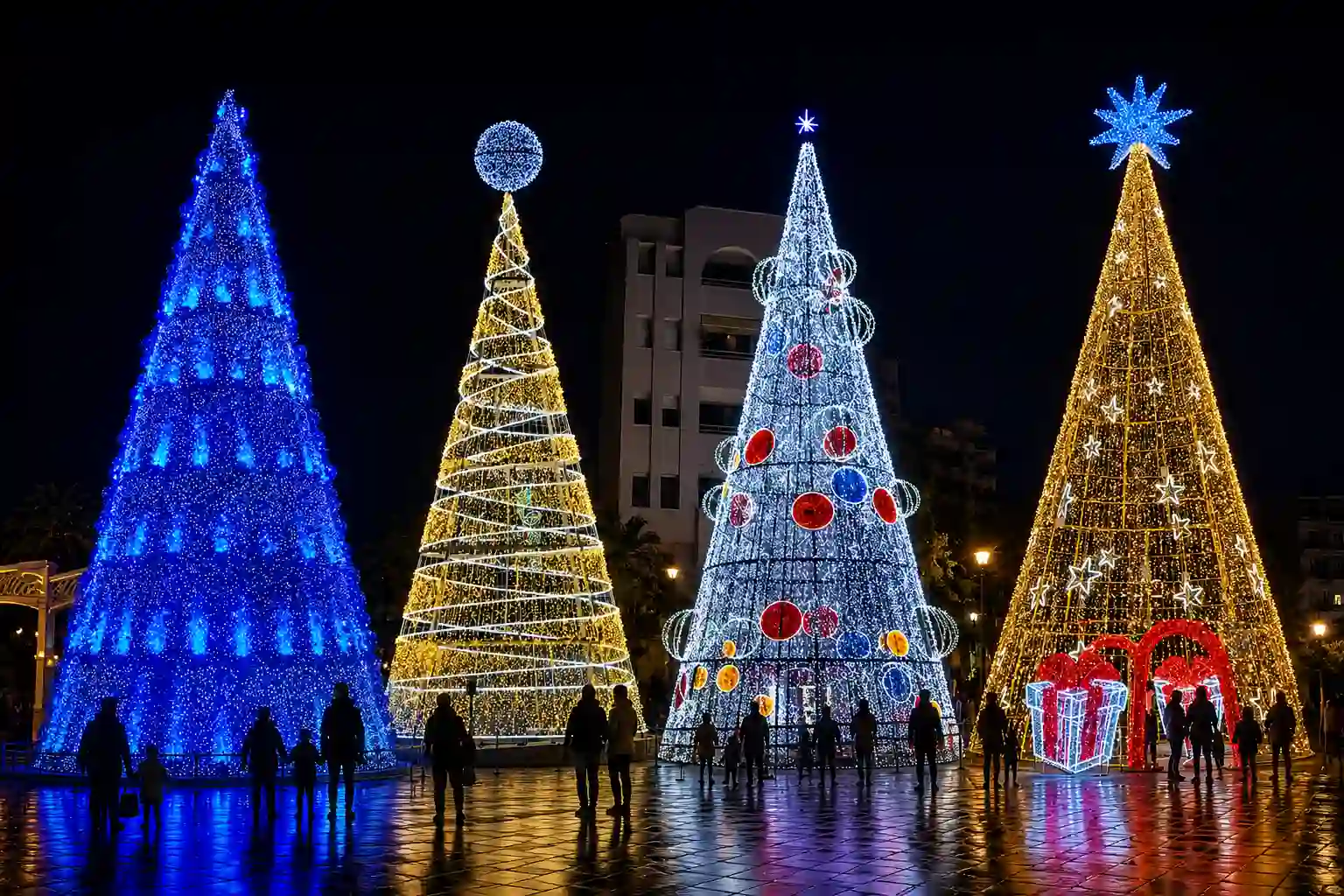
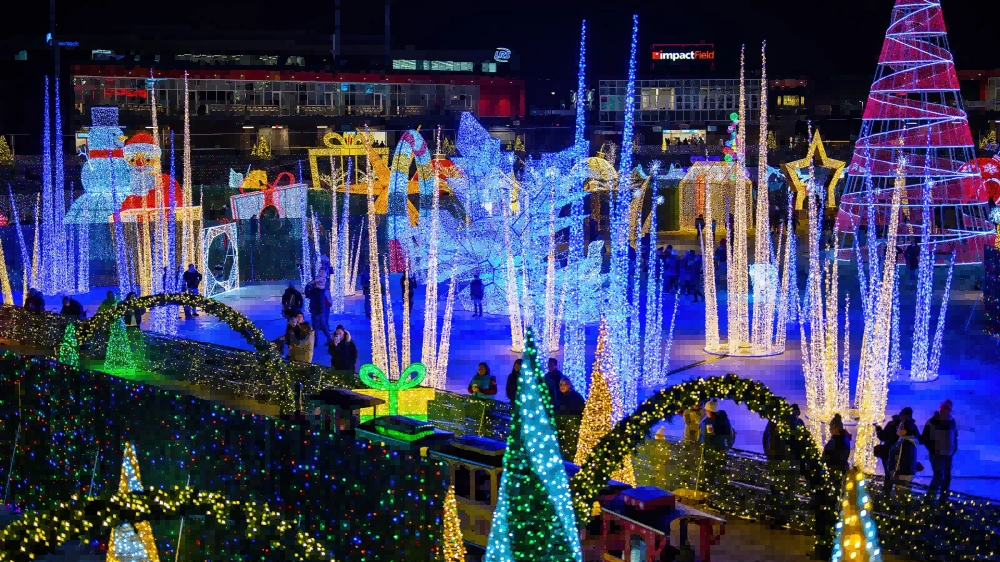
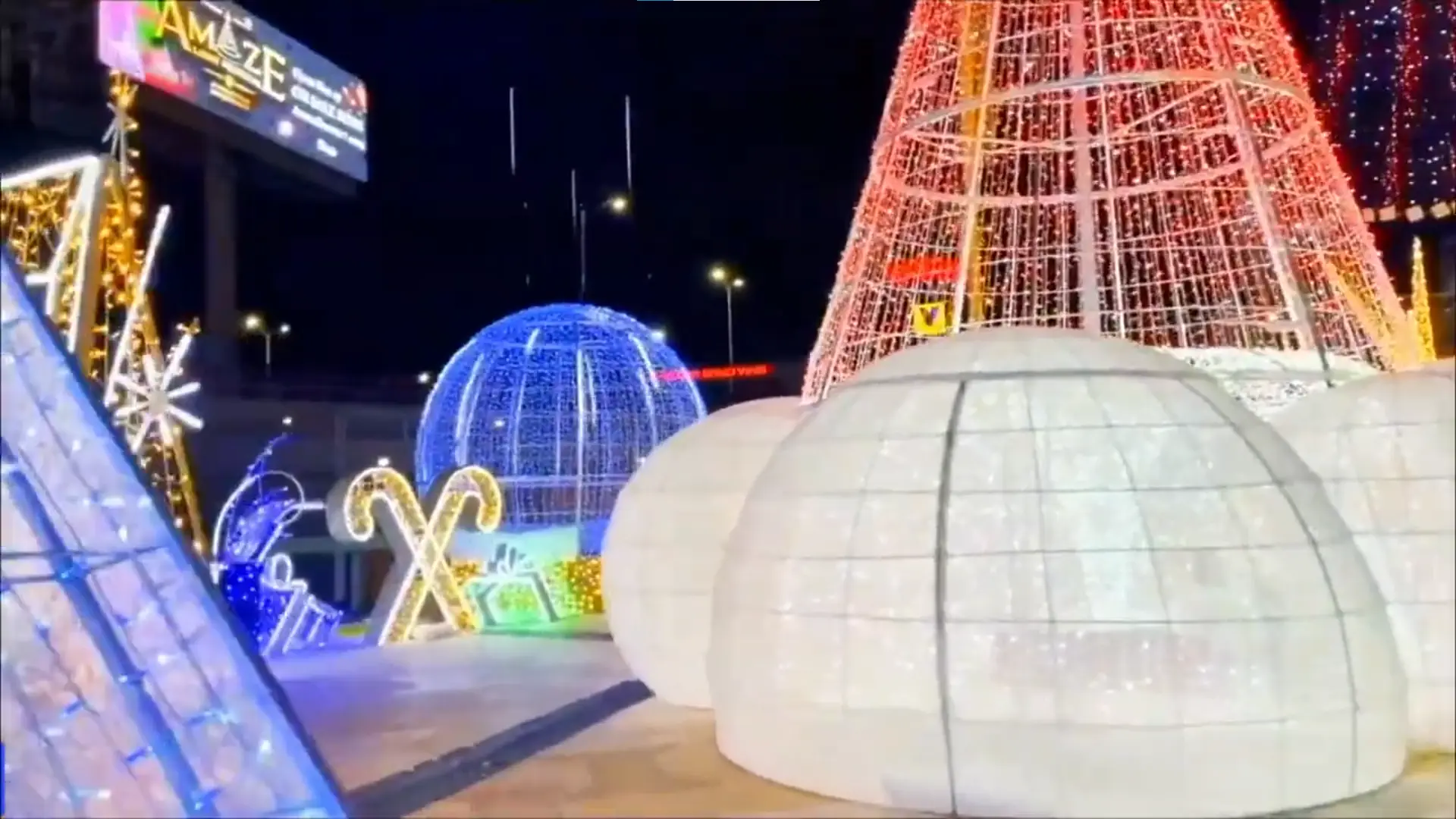
Modern Christmas culture is also highly visible outside the home. Shopping malls, hotels, city squares, theme parks, resorts, streets, and tourism destinations increasingly use seasonal decoration to create public Christmas environments.
These spaces commonly use:
- Large Christmas trees
- Illuminated arches and tunnels
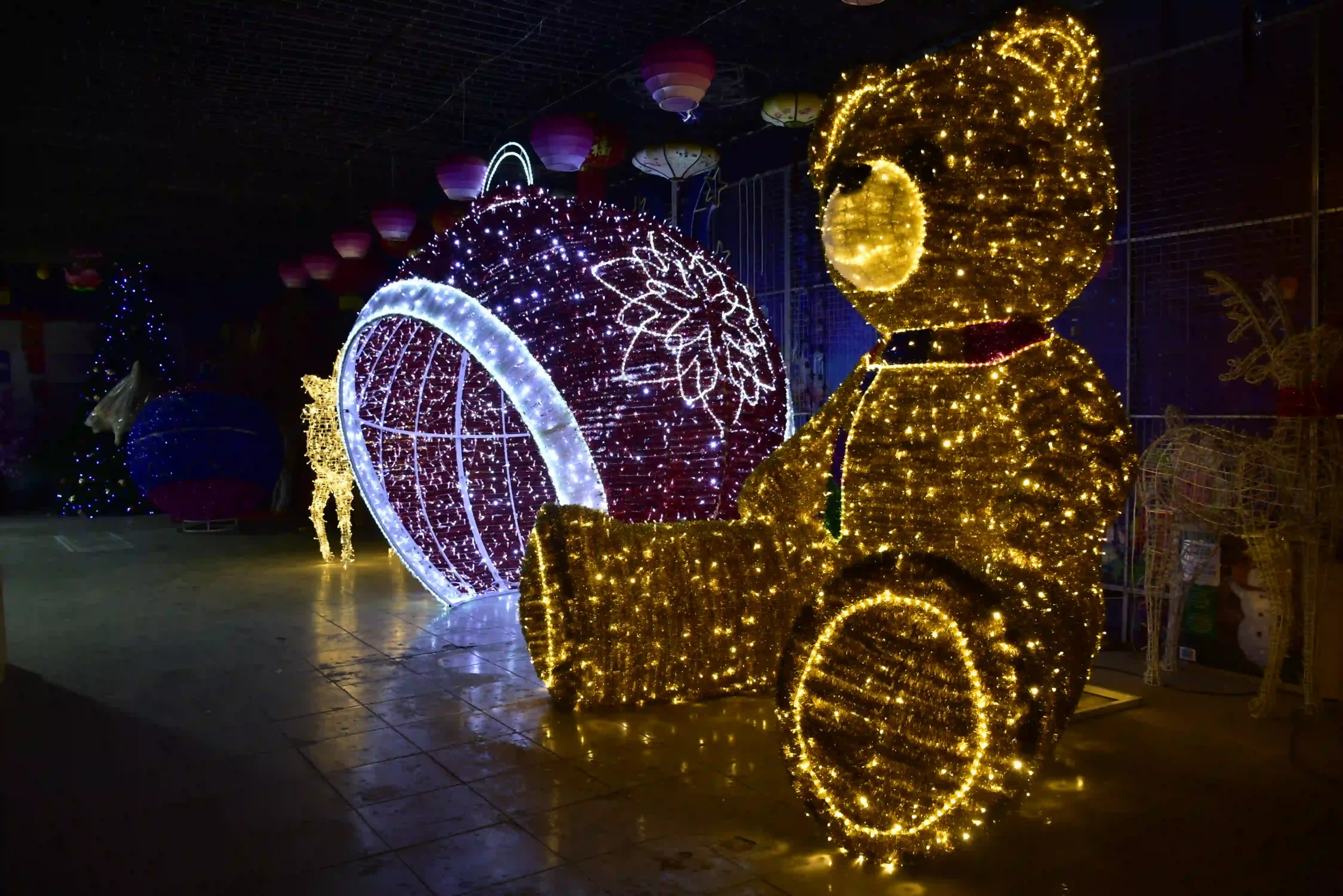
- Reindeer, Santa Claus, and snowman sculptures
- Gift boxes and oversized ornaments
- Christmas houses and themed installations
- Photo areas and interactive displays
In this context, decoration becomes part of how people experience Christmas collectively, especially in busy commercial and public environments.
7. Christmas Culture Through Light and Decoration
Light has become one of the strongest visual expressions of modern Christmas culture. It allows familiar symbols such as trees, stars, reindeer, snowflakes, gifts, and festive characters to be reproduced at much larger scales.
Large illuminated installations can transform a plaza, shopping center, park, or event venue into a complete seasonal environment where visitors can walk, gather, take photos, and interact with the decorations.
This combination of tradition, visual design, and shared experience is now a major part of how Christmas is presented in public spaces around the world.
Christmas Culture Continues to Evolve
Christmas culture continues to develop through tradition, creativity, family connection, entertainment, public celebration, and seasonal design.
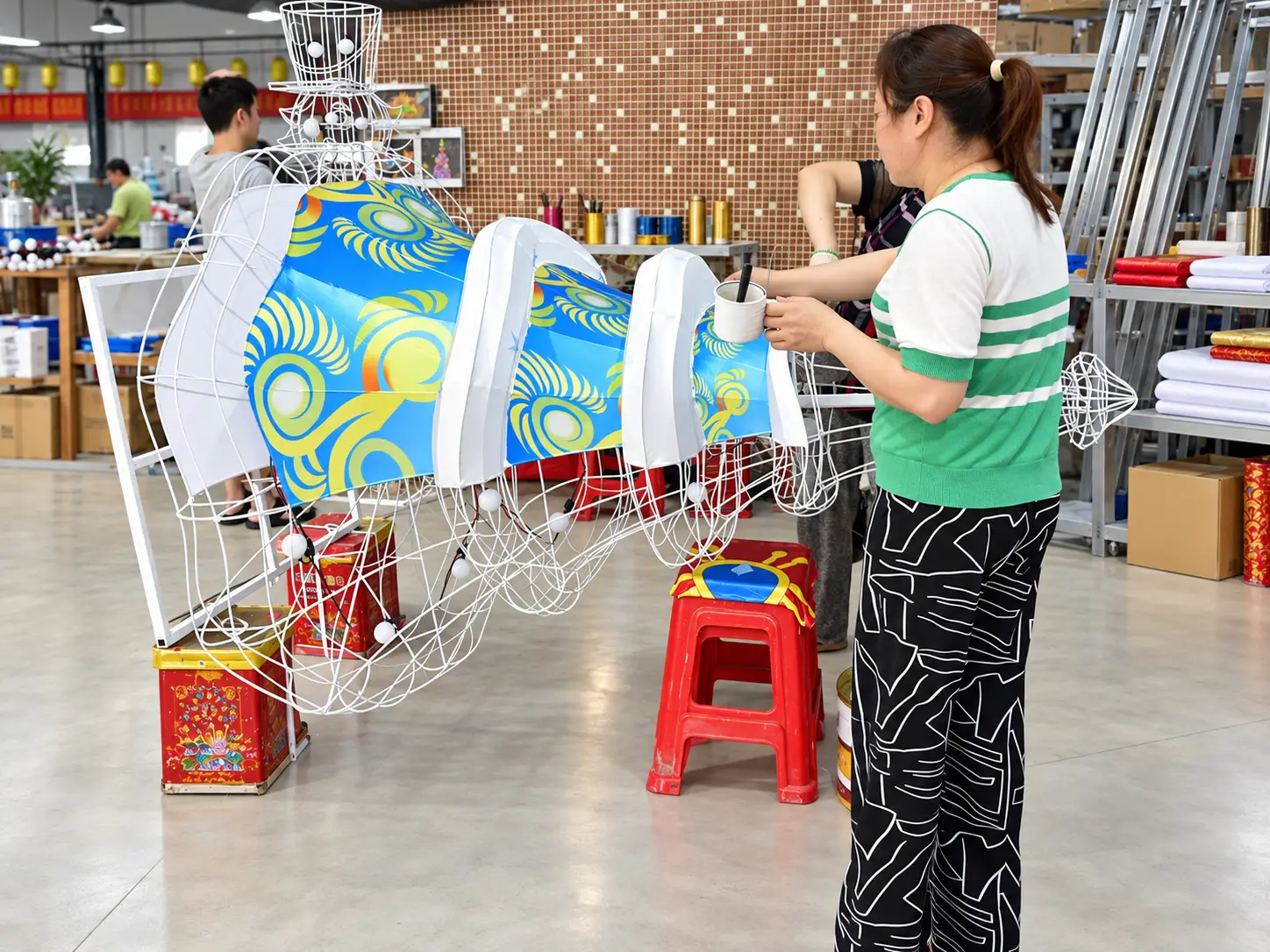
At Holilite, we bring these familiar Christmas ideas into physical spaces through illuminated decorations, giant Christmas trees, light sculptures, themed installations, and customized festive displays.
Each project can interpret Christmas differently while still using the symbols, colors, light, and shared experiences that make the season immediately recognizable.