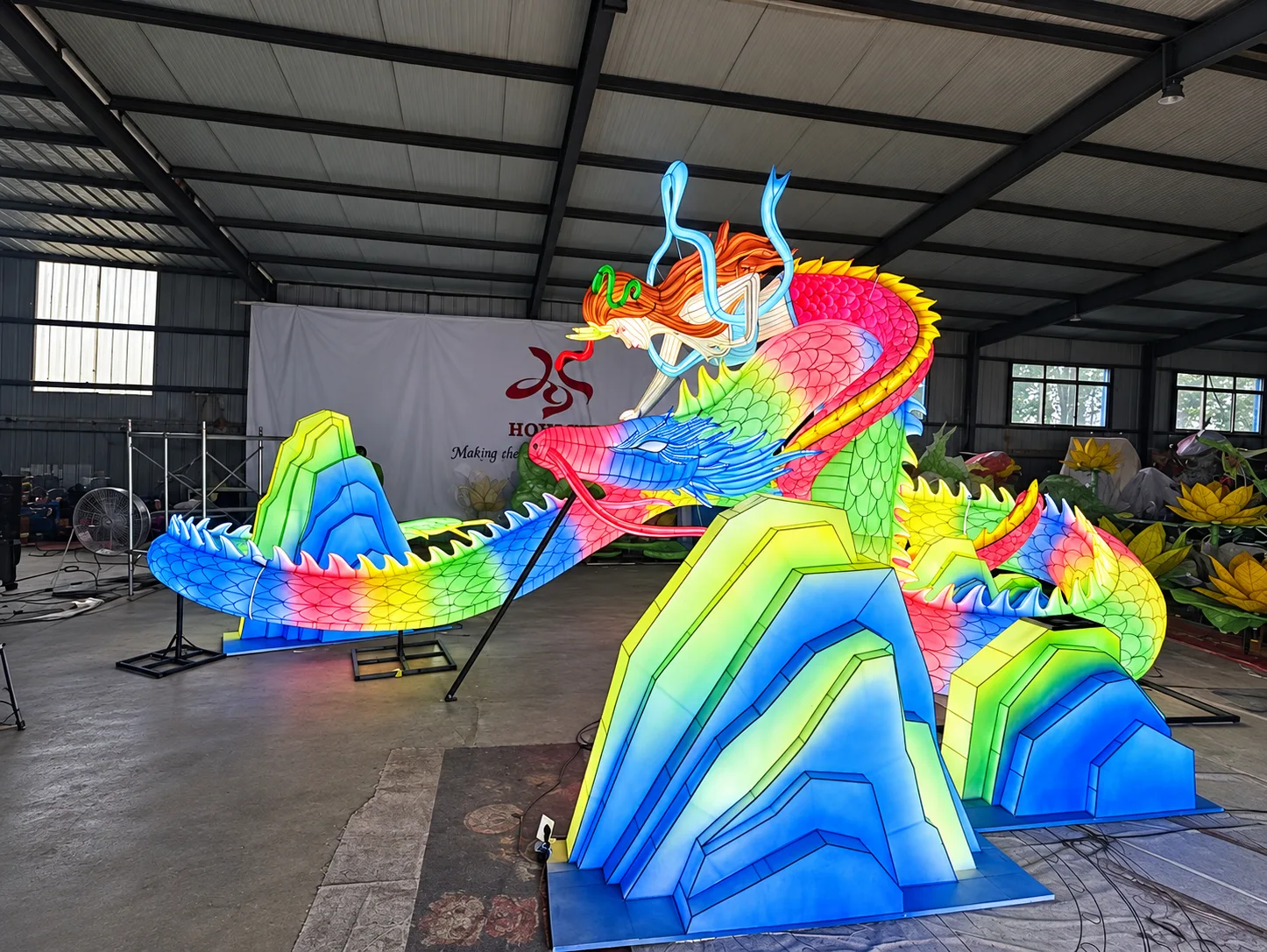
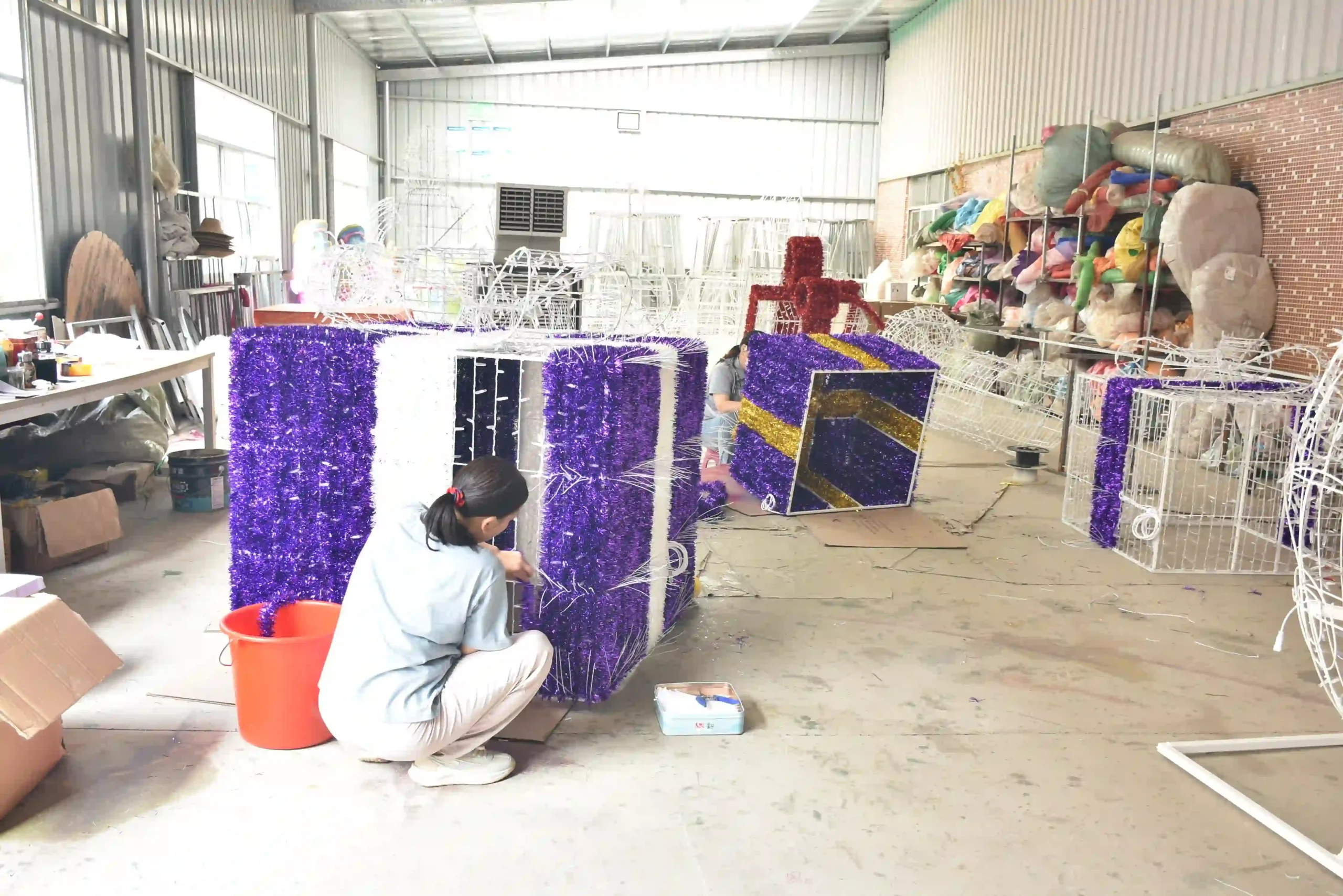
Botanical Garden Lantern Displays for Night Events
Botanical garden lantern displays can turn a garden, public park, resort or scenic walking route into a soft night event. Real trees, lawns, flower beds, lakes and pathways already provide the natural setting. Lanterns should be used as visual nodes, not as a replacement for the whole landscape.
A strong botanical garden night route can use giant flower lights, decorative archways, mushroom tree lanterns, fairy themed lanterns, seasonal fruit lanterns, small garden sculptures and soft pathway lighting. These elements can create entrance views, flower garden displays, forest corners, family areas, seasonal zones and photo spots.
Botanical Garden Entrance Lantern Ideas
The entrance is the first visual point of a botanical garden night event. It should be clear from a distance and easy for visitors to recognize. A lighted decorative archway, floral gateway, garden sign and several flower lanterns can create a stronger opening scene.
The LED Lighted Decorative Archway is suitable for the entrance of garden festivals, outdoor exhibitions, parks and public night events. It can be customized in size, color and pattern, making it useful for seasonal garden themes.

For a spring event, the entrance can use pink flower lights and soft warm lighting. For summer, tropical flower colors and green details can be used. For autumn, orange lights, fruit shapes and harvest decorations can make the entrance warmer. For winter, white flowers, blue-white lighting and deer shapes can create a colder seasonal look.
Main Walking Route for Garden Night Events
The walking route is the core of a botanical garden lantern display. Visitors usually follow the original paths, so lanterns should appear at important points along the route. Corners, junctions, open lawns, bridge areas, flower bed edges and viewing platforms are better than placing lights evenly everywhere.
The route can be divided into several sections. The entrance area introduces the theme. The main flower garden creates the strongest visual scene. The forest section uses mushrooms and low lights. The children’s garden uses fairy elements. The seasonal section adds fruits, flowers or harvest decorations according to the event period.
This layout keeps the garden route natural. Real plants and trees remain as the background, while lanterns guide the visitor’s attention and create photo moments.
Giant Flower Light Display Area
Flower lanterns are the most suitable visual element for botanical gardens. Large flower lights can be placed in flower beds, entrance plazas, central lawns and main photo areas. They match the garden setting better than generic festival decorations.
The Custom Giant Flower Light Project is a better fit for this article than ordinary lantern products. The flower light uses bright pink petals, a warm yellow center and LED rope lighting along the petal edges. When several flower lights are used together, they can form a flower garden scene, festival pathway or themed photo spot.
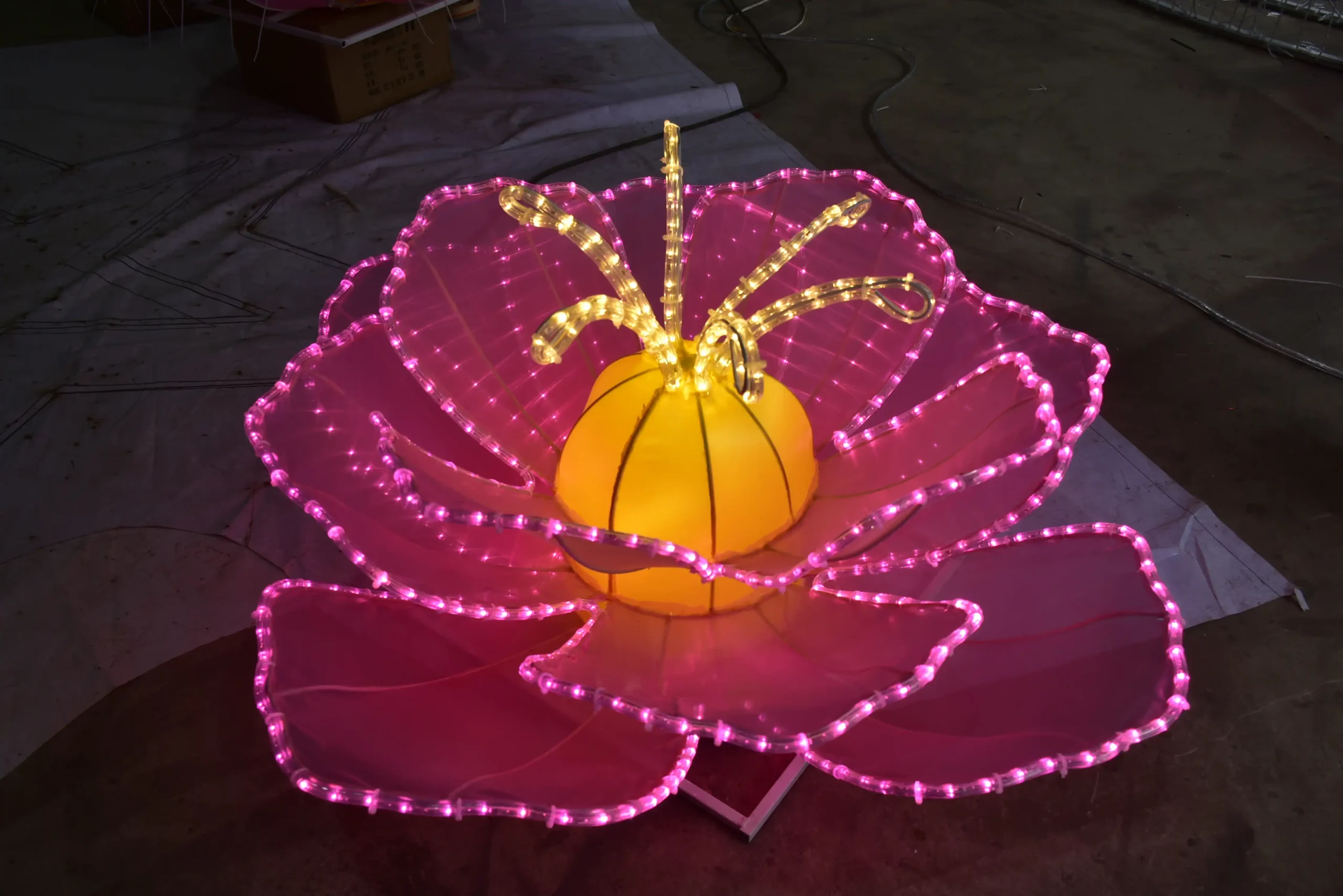
Flower colors should be controlled by area. One garden section can focus on pink and warm yellow. Another section can use purple and blue. A separate family area can use brighter colors. Too many colors in one place will weaken the garden feeling and make the scene look like a general light festival.
Forest and Mushroom Lantern Area
Many botanical gardens have wooded paths, bamboo areas, shrub zones or darker garden corners. These places are suitable for mushroom lanterns, low ground lights, small fantasy elements and warm pathway lighting.
The Giant Fantasy Mushroom Tree Lantern can be used in forest-themed garden routes, eco parks, fantasy garden events and night-time attractions. It can stand near real trees, grass edges, pathway curves or small clearings to create a quiet woodland atmosphere.

This area should avoid strong lighting. Warm white, soft yellow, light green and a small amount of blue usually look more natural. Lower light positions make visitors feel they are walking through a night garden, not a stage show.
Fairy Garden Area for Family Visitors
Family visitors need a softer and more playful section. A fairy garden area can use fairy figures, fantasy flowers, mushrooms, small animal lanterns, glowing footprints and mini arches. This section is suitable for children, families and photo activities.
The Fairy Themed Lantern works well for parks, gardens, resorts and themed family routes. It can be used as a main photo spot, a fairy trail anchor or a fantasy garden centerpiece.

The lighting in this section can be brighter than the forest area. The colors can also be more active. Lantern height should not be too high, so children can stand near the display and parents can take photos easily.
Garden Pathway and Transition Lighting
Between the main display areas, the garden route still needs simple visual guidance. This does not mean every section needs a large lantern. Small pathway lights, low flower lights, vine-style decorations and lighted tunnel elements can connect the route without making the garden crowded.
A customizable lantern tunnel can be used as a transition between two themed sections. It is especially useful near entrance paths, long walkways, garden corridors and event zones where visitors need a clear direction.
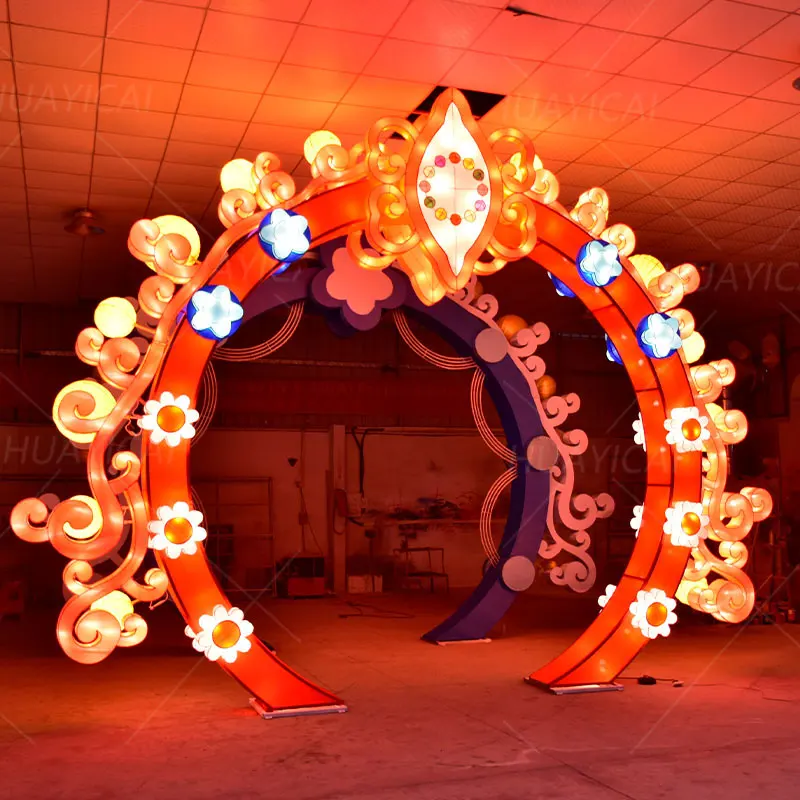
Transition lighting should be lighter than the main display areas. It should guide visitors forward and prepare them for the next scene.
Seasonal Garden Lantern Themes
Botanical garden lantern displays can change by season. This makes the event easier to promote and gives repeat visitors a reason to return. The whole route does not need to be rebuilt each time. The entrance, main photo spot and several signature lantern groups can be updated.
Spring themes can use giant flowers, cherry blossom colors and soft pink lights. Summer themes can use tropical flowers, lotus lights and green pathway lighting. Autumn themes can use pumpkins, fruits, mushrooms and warm orange tones. Winter themes can use white flowers, deer figures, snowflake details and blue-white lighting.
The Cartoon Vegetable & Fruit Lantern Set is suitable for autumn garden events, harvest festivals, family routes and agricultural theme displays. It gives the botanical garden a seasonal content angle beyond flower lighting.

Water Garden and Reflection Area
If the botanical garden has a lake, pond, stream, wetland or small bridge, the water area can become a quieter section of the night route. It does not need too many lanterns. A few lotus lights, floating flowers, small fish lights or soft reflection lights can create a calm scene.
The water area should leave enough dark surface for reflection. Dense lighting can make the lake look messy. Open water, real tree shadows and a few controlled light points usually create a more natural effect.
Bridges, lakeside paths and viewing platforms are suitable photo positions. Visitors can stand at the edge, with lanterns in the foreground, water reflection in the middle and real trees in the background.
Photo Spot Design for Garden Visitors
A botanical garden lantern display should include several clear photo spots. Good positions include the entrance, main flower garden, mushroom forest area, fairy garden, seasonal display area and the final section before the exit.
Useful photo products include giant flower lights, lighted archways, mushroom tree lanterns, fairy themed lanterns, seasonal fruit lanterns and garden signs. Each photo spot should leave enough standing space, with a clean foreground and real plants as the background.
Each area only needs one main photo point. Visitors can take different photos along the whole route instead of crowding at one entrance display.
Educational and Nature Themes
A botanical garden has natural educational value. Lantern displays can connect with plant knowledge, insect ecology, seasonal change, flower structure and local nature.
The flower area can introduce blooming seasons, flower colors and plant shapes. The forest area can connect mushrooms, trees and night ecology. The seasonal area can show harvest plants, fruit shapes and local agricultural culture. The family area can use simple signs, icons and short questions for children.
The text should be short. Simple labels, icons and route maps are enough. Visitors are first attracted by the lights, then remember the theme through clear information.
Botanical Garden Lantern Display Product Combinations
| Display Area | Recommended Products | Main Use |
|---|---|---|
| Entrance Area | LED lighted decorative archway, flower lights, garden sign | Introduce the event theme and guide visitors into the route |
| Main Flower Garden | Custom giant flower lights, floral lantern groups, warm pathway lights | Create the main visual point and photo area |
| Forest Area | Mushroom tree lantern, small mushrooms, low ground lights | Create a quiet woodland night atmosphere |
| Fairy Garden | Fairy themed lanterns, fantasy flowers, mini arches, cute animals | Increase family interaction and photo value |
| Transition Route | Customizable lantern tunnel, vine lights, pathway lights | Connect different themed areas along the route |
| Seasonal Zone | Vegetable and fruit lanterns, pumpkins, harvest elements | Support autumn events, harvest festivals and family routes |
| Water Garden | Lotus lights, floating flowers, small fish lights, reflection lighting | Use water reflection and create a quieter night scene |
| Exit Area | Garden sign, memorial photo frame, themed lantern group | Create the final photo point before visitors leave |
What to Confirm Before Designing the Project
A botanical garden lantern display is a route-based night event. Before choosing products, the project team should confirm the route length, entrance position, pathway width, flower bed layout, lake position, tree density, power supply, visitor flow and event period.
If the garden already has strong natural scenery, the lantern quantity does not need to be too high. The main focus should be the entrance, main flower garden, forest corner, fairy garden, transition route, seasonal area and exit area. Real plants create the setting, while lanterns create the theme and visual nodes.
Outdoor projects need waterproof lighting, wind resistance, power wiring, ground fixing, night safety planning and maintenance access. Water-area lanterns need proper fixing, cable protection and viewing distance. Large flower lights, mushroom trees, fairy lanterns, archways and themed structures should be designed with transport sections and on-site installation space in mind.
Custom projects can adjust flower types, mushroom shapes, fairy figures, seasonal elements, colors, size, lighting effects and installation structures according to the garden theme. If the botanical garden has a signature flower or seasonal event, it can become the main visual element of the night route and make the display more connected to the site itself.