Ball-Shaped Christmas Tree: Modern Holiday Decor for All Spaces
A Creative Twist on Traditional Christmas Trees
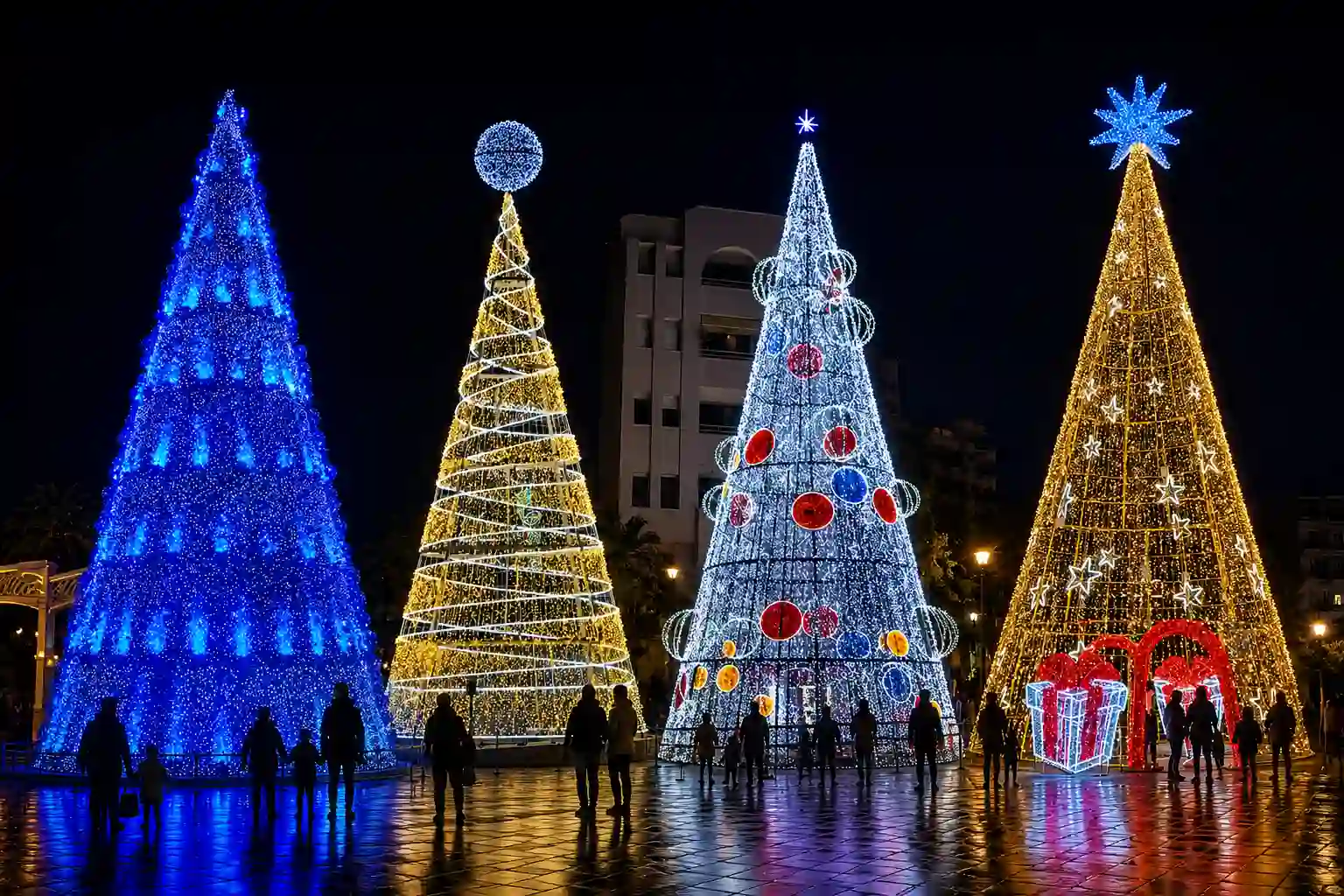
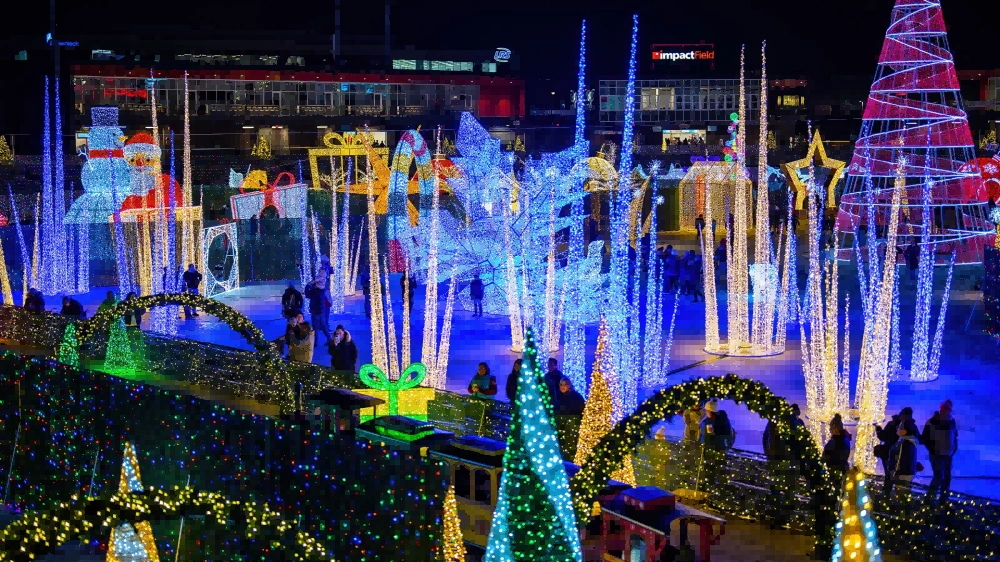
This holiday season, a ball-shaped Christmas tree offers a distinctive alternative to the traditional Christmas tree. By combining decorative spheres with LED lighting, the design creates a bright and recognizable centerpiece for homes, offices, shopping malls and other commercial spaces. Its unusual structure and strong use of color give seasonal displays a more contemporary character.
Ball-shaped Christmas trees are available in different colors, materials and visual styles. Their modular appearance makes them suitable for everything from compact interior decorations to larger festive installations. Below are the main design features, common styles and practical ways to use them in a Christmas display.

1. What Is a Ball-Shaped Christmas Tree?
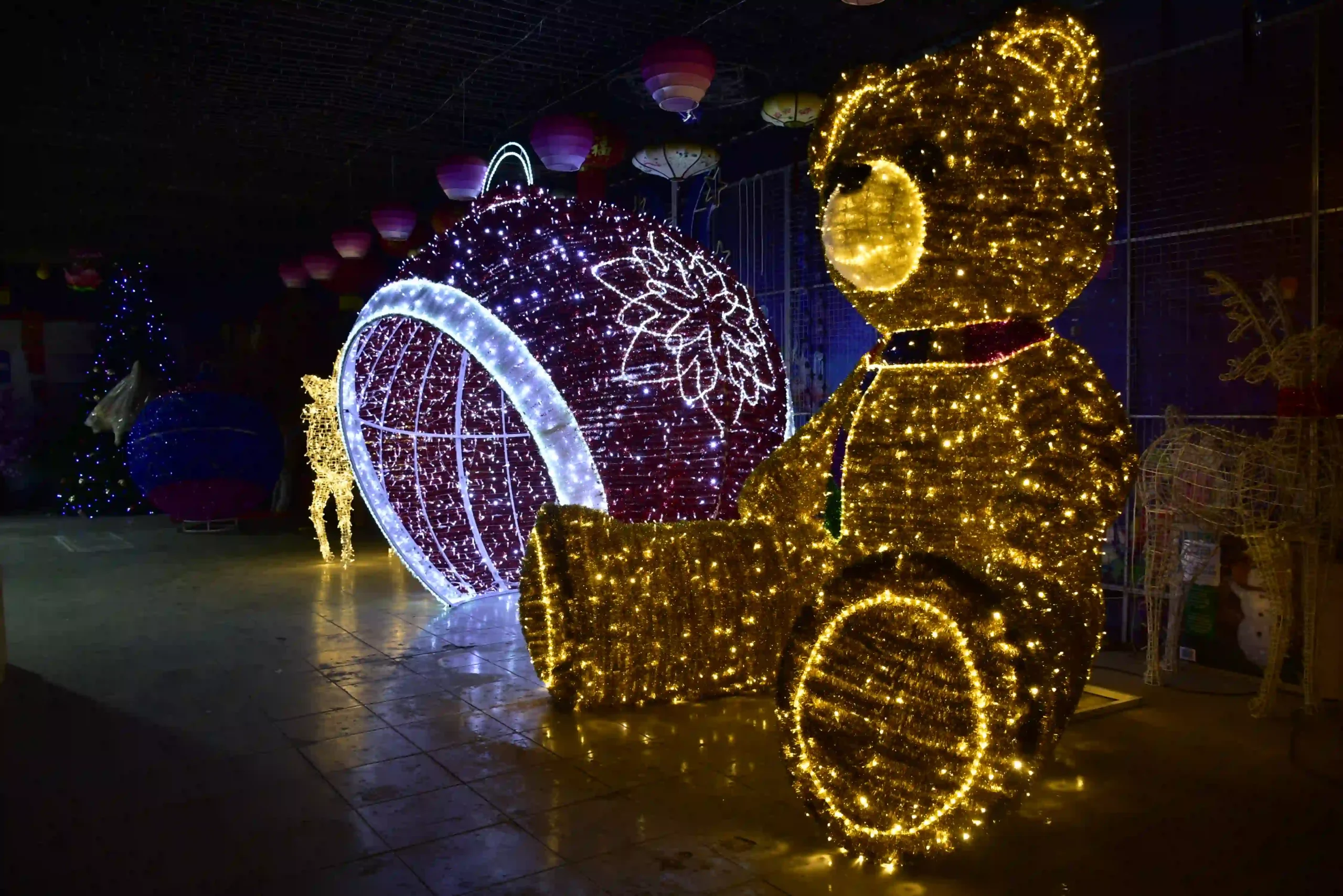
A ball-shaped Christmas tree is a contemporary interpretation of the classic Christmas tree, created from stacked or arranged spherical decorations. These trees often use large decorative balls made from mesh materials and LED lighting, sometimes combined with glittering or reflective finishes.
Instead of relying on branches to create the tree shape, multiple layers of illuminated spheres form the overall silhouette. This gives the decoration a more sculptural appearance while still retaining the recognizable vertical form of a Christmas tree.
Features of Ball-Shaped Christmas Trees
- Unique Structure
Instead of a conventional branch-based triangular tree, the design uses stacked or arranged spheres to create a visually dynamic and contemporary structure.
- Vibrant Lighting
Many designs incorporate LED lighting throughout the decorative balls, helping the tree become a strong focal point in low-light environments and nighttime festive displays.
- Customizable Appearance
The colors and sizes of the spheres can be adjusted to suit different holiday themes, venue concepts or visual requirements.

2. Types of Ball-Shaped Christmas Trees
Classic Red and White Designs
A red and white ball-shaped Christmas tree creates a familiar and festive appearance. Bright red and white spheres give the tree a cheerful traditional color scheme that becomes especially noticeable when combined with LED lighting.
Modern Metallic Styles
For a more contemporary appearance, metallic ball-shaped trees can use gold, silver or copper spheres. Reflective finishes interact with the lighting and create a polished effect suitable for modern interiors, hotel spaces and commercial holiday displays.
Multicolor Designs
A multicolor ball-shaped Christmas tree uses bright tones such as red, green, blue and yellow to create a more playful and energetic atmosphere. Colorful lighting can add another visual layer, making this style suitable for family-oriented venues, entertainment spaces and children’s festive areas.
Frosted and Sparkling Effects
Frosted ball-shaped trees often use glittered or frosted decorative spheres to create a snowy winter effect. Under the lights, the surface reflects and diffuses the glow, making the design suitable for winter wonderland themes and locations where a snow-inspired atmosphere is desired.
3. Why Choose a Ball-Shaped Christmas Tree?
Choosing a ball-shaped Christmas tree can offer several practical and visual advantages, particularly when the project requires a modern alternative to a conventional artificial tree.
Space-Saving Design
Ball-shaped Christmas trees can work well in spaces where a traditional tree may feel too bulky. Compact versions are suitable for apartments, offices and smaller rooms while still providing the visual presence of a complete Christmas decoration.
Easy Setup and Maintenance
Many ball-shaped Christmas trees are designed for relatively simple assembly, and some versions are supplied pre-lit. As artificial decorations, they do not require the watering or care associated with natural Christmas trees.
Energy-Efficient Lighting
Many ball-shaped trees use LED lighting, which generally consumes less energy than older conventional decorative lighting. This makes LED-based designs practical for seasonal installations that remain illuminated for long periods.
Durable and Reusable
Ball-shaped Christmas trees are commonly made with reusable decorative components such as mesh structures and LED lighting. With appropriate handling and storage, the same tree can be used across multiple holiday seasons.

4. Decorating Your Ball-Shaped Christmas Tree
Pick a Theme and Color Scheme
Choose a color scheme that works with the surrounding holiday decorations. Red, white and green create a more traditional Christmas appearance, while metallic or multicolor combinations give the display a more contemporary character.
Layer the Lights
If additional lights are being added, placing some of them deeper within the structure can create more visual depth. This can make the tree appear fuller and helps distribute illumination between larger or more widely spaced decorative balls.
Add Decorative Elements
Although ball-shaped trees already have a strong visual identity, ribbons, bows and garlands can be added where appropriate. Large ornaments or decorative figurines around the base can also help connect the tree with the surrounding Christmas scene.
5. FAQs About Ball-Shaped Christmas Trees
How do I set up a ball-shaped Christmas tree?
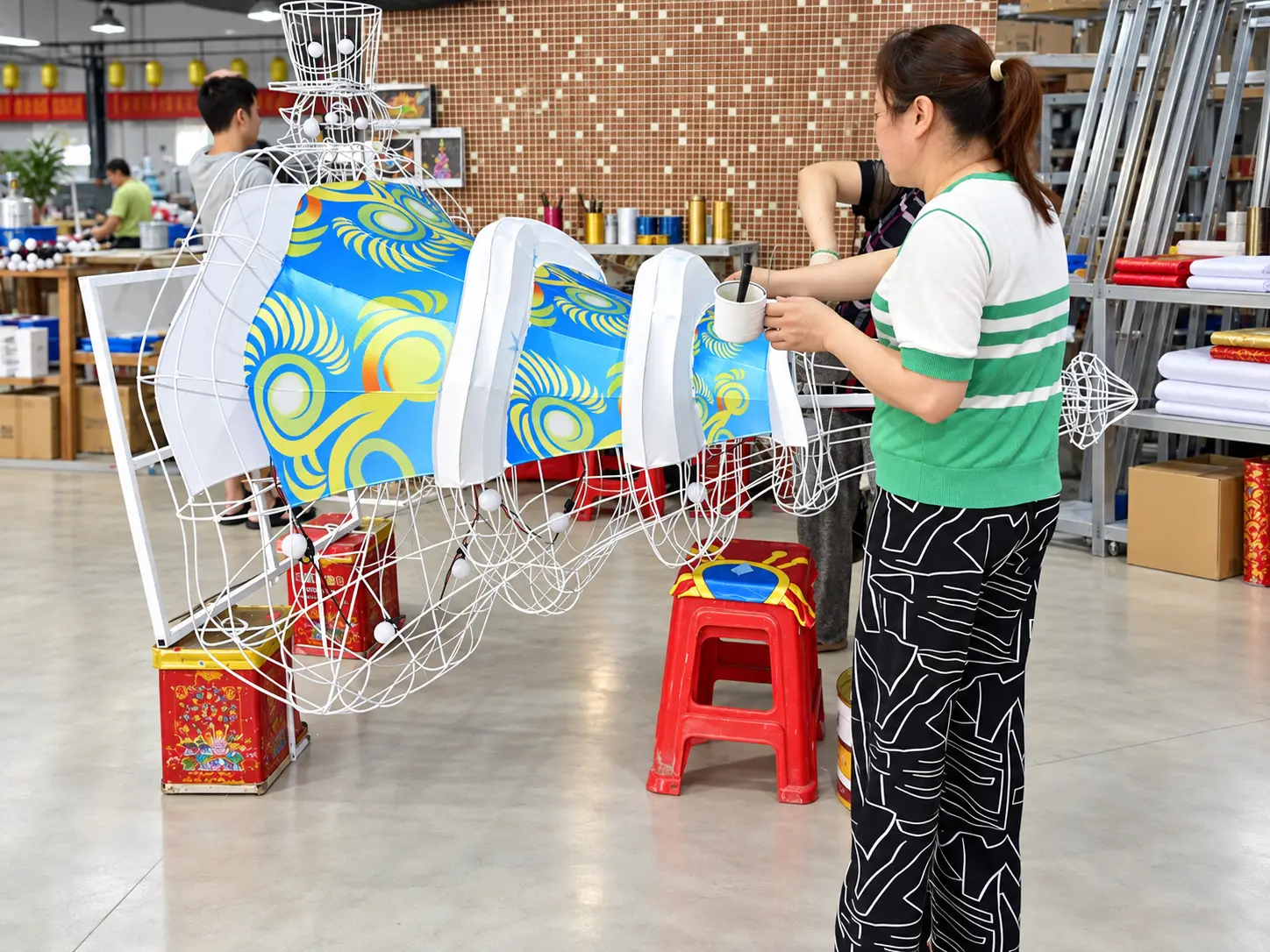
Assembly depends on the specific design. In many cases, the main structure is assembled first, the decorative spheres are positioned as required, and the lighting system is then connected. Some versions are supplied pre-lit, reducing the amount of lighting work required on site.
Can I use a ball-shaped Christmas tree outdoors?
Some ball-shaped Christmas trees are designed for indoor use, while outdoor versions are also available. Check the product specifications and installation requirements to confirm whether a particular model is suitable for outdoor conditions.
How long do the LED lights last on a ball-shaped tree?
The original product concept cites typical LED service-life figures of approximately 25,000 to 50,000 hours. Actual operating life depends on the LED system, electrical components, environment and usage conditions.