The History of Lantern Festivals and Modern Decorative Lanterns
1. History of Lanterns
Lanterns, also known as “flower lanterns” in Chinese tradition, have a history of more than a thousand years. Their development is closely connected with traditional Chinese festivals, religious customs and public celebrations. During the Eastern Han period, lantern lighting became associated with Buddhist practices, and the fifteenth day of the first lunar month gradually developed into an important lantern celebration.
During the Sui and Tang Dynasties, the capital city of Chang’an became famous for large Lantern Festival celebrations illuminated by extensive lantern displays. From the Song Dynasty onward, lanterns developed beyond religious use and became an important form of popular entertainment, craftsmanship and folk art.
Throughout history, lanterns have represented blessings, reunion and celebration. Different periods developed distinctive styles. Tang-era celebrations were known for large lantern structures, the Song period popularized revolving lanterns, while the Ming and Qing dynasties developed decorative themes including zodiac animals, lotus flowers, dragons and phoenixes.

2. Lanterns in Asian Culture
Lantern culture developed in different forms across Asia. While each country has its own traditions, many lantern festivals share themes of light, hope, blessing, remembrance and celebration.
Hoi An Lantern Festival in Vietnam
On full-moon nights in Hoi An, lanterns are used throughout the old town and along the river. The festival combines local customs with historical cultural influences and has become one of Vietnam’s best-known lantern traditions.
Yi Peng Festival in Thailand
In northern Thailand, particularly Chiang Mai, sky lanterns are released during Yi Peng. The event is associated with wishes, merit-making and the symbolic release of worries and misfortune.
Nebuta and Obon Lantern Traditions in Japan
Japanese lantern traditions appear in both large illuminated festival floats and more intimate ancestral ceremonies. During Obon, lanterns are connected with remembrance and the symbolic guidance of ancestral spirits.
Yeondeunghoe in Korea
Yeondeunghoe is a Korean lantern festival associated with the celebration of Buddha’s birthday. Lotus-shaped lanterns are widely used and traditionally represent enlightenment, compassion and hope.
These examples show how lanterns have become a shared cultural form across Asia, while retaining different local meanings, materials and festival traditions.
3. Modern Decorative Lanterns
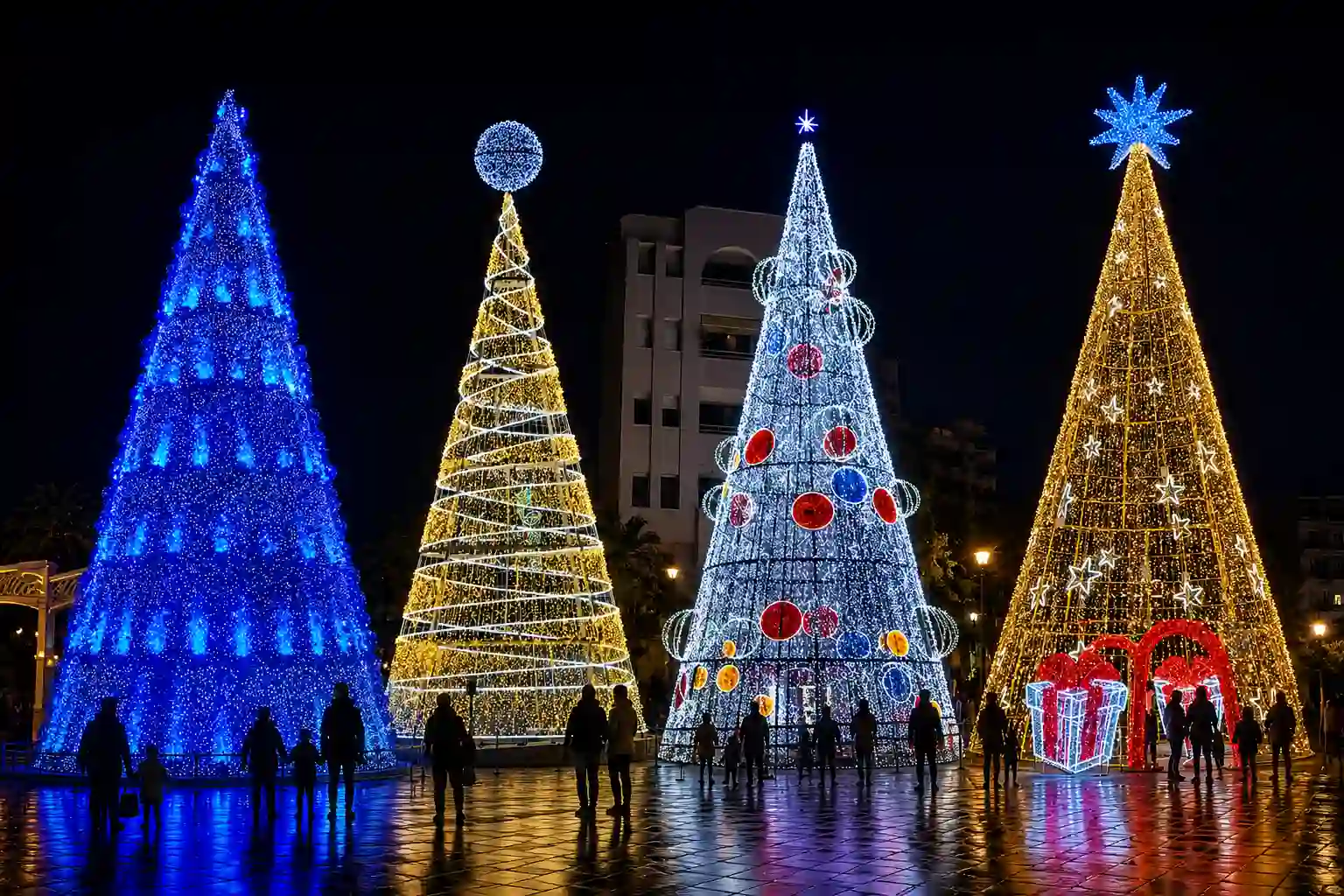
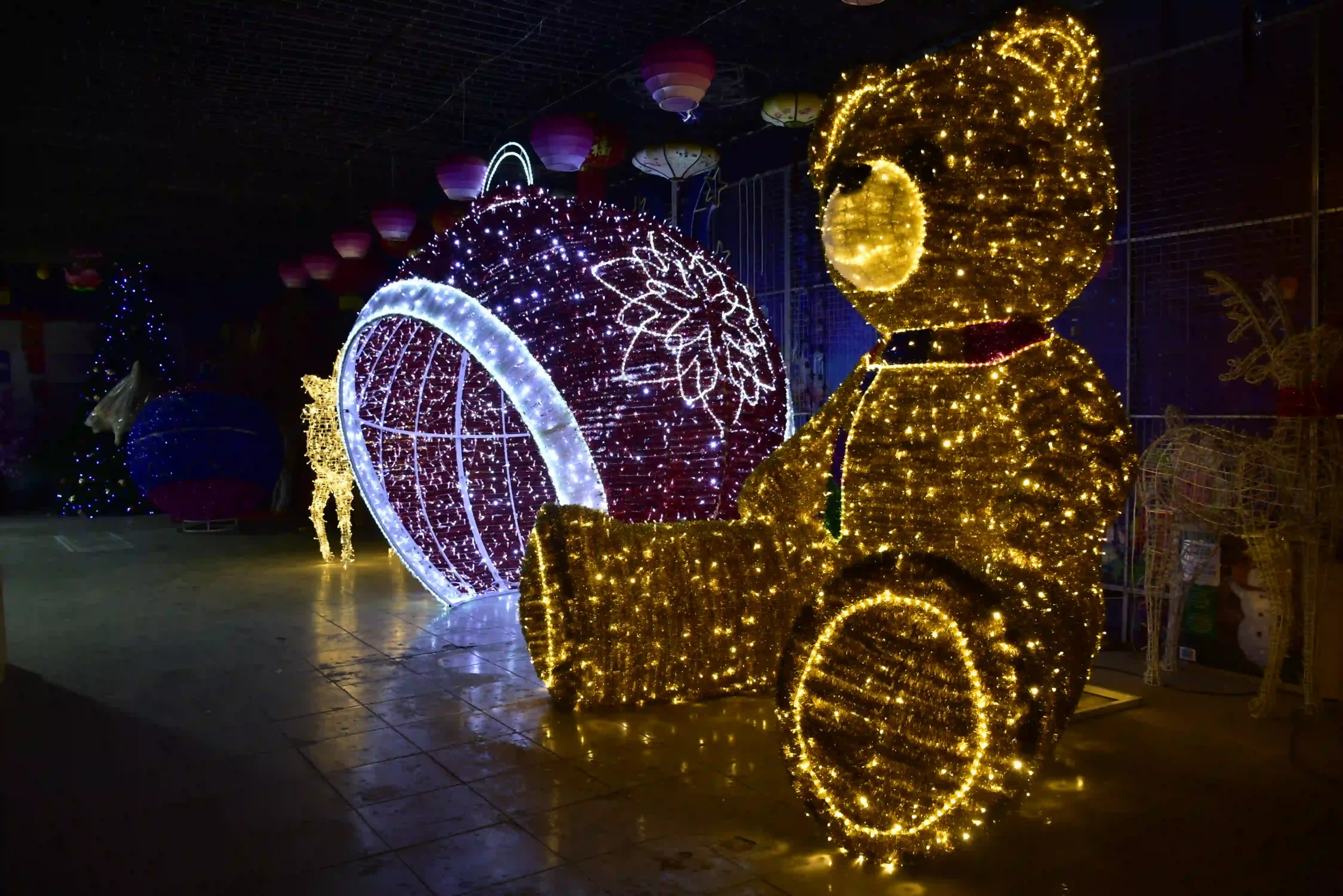
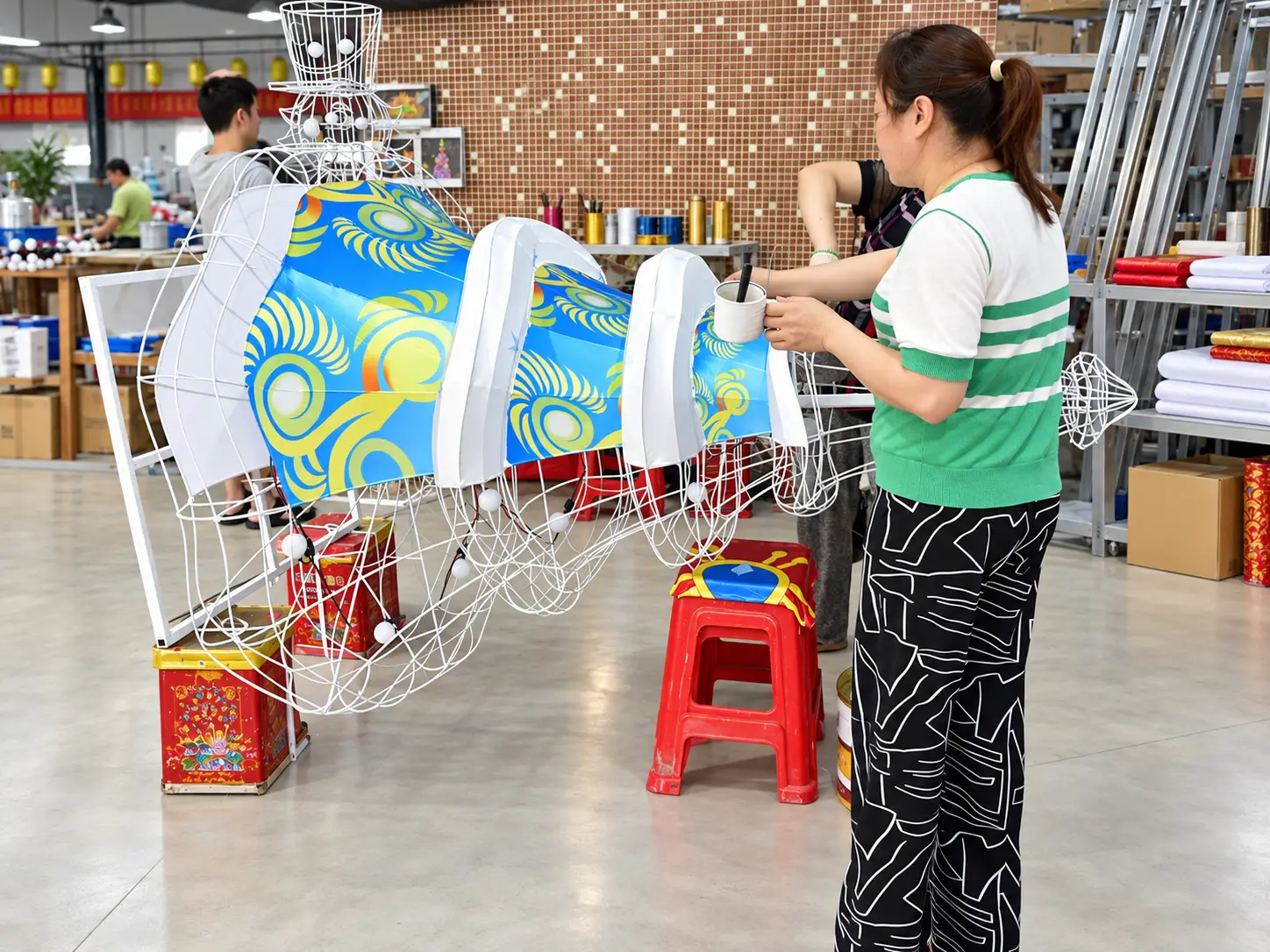
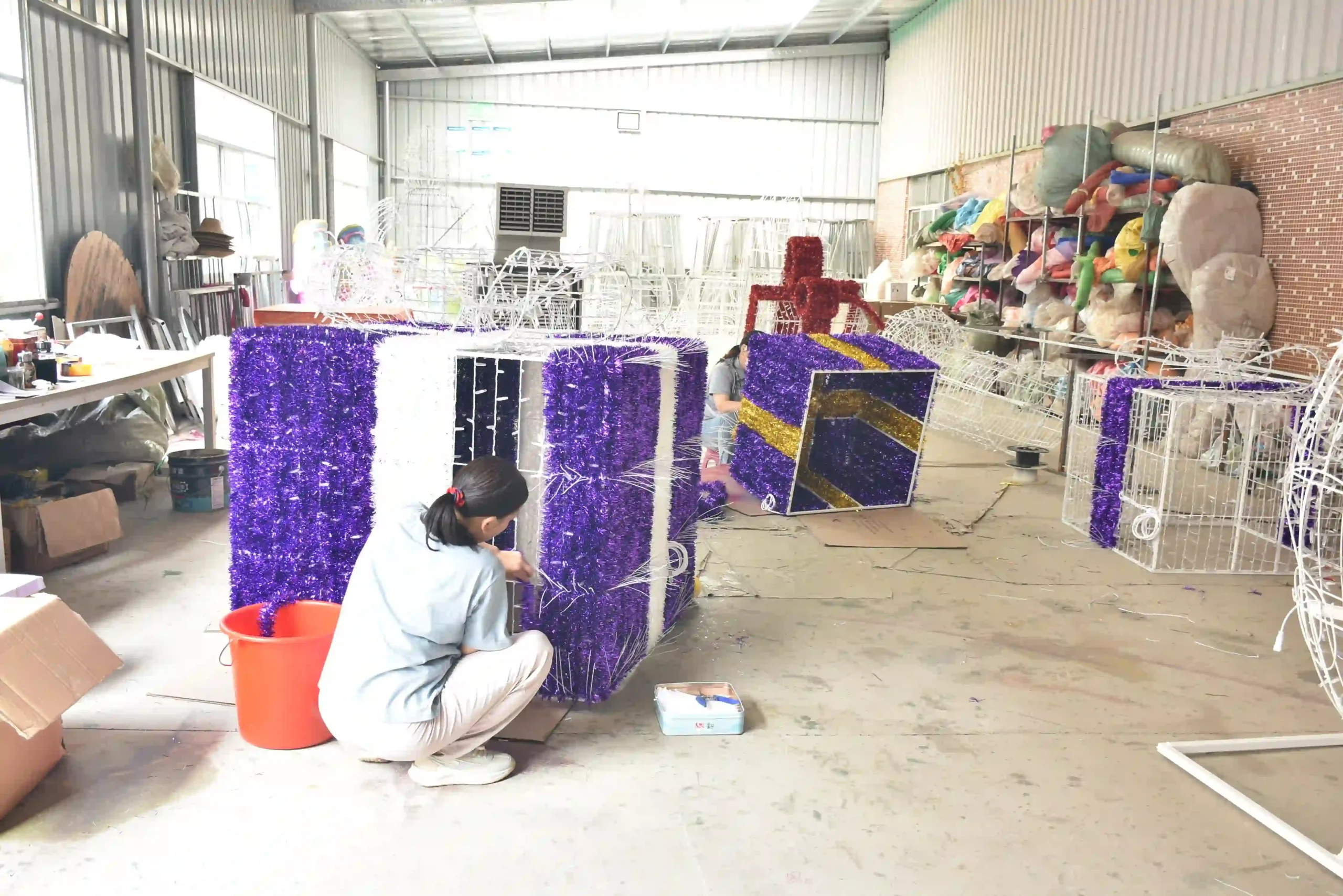
With changes in fabrication, lighting and structural technology, modern decorative lanterns have expanded far beyond traditional handheld forms. Large lantern installations can combine metal frames, decorative surface materials, LED lighting, programmable effects and interactive elements while still drawing inspiration from traditional themes.
Dragon and Phoenix Lanterns
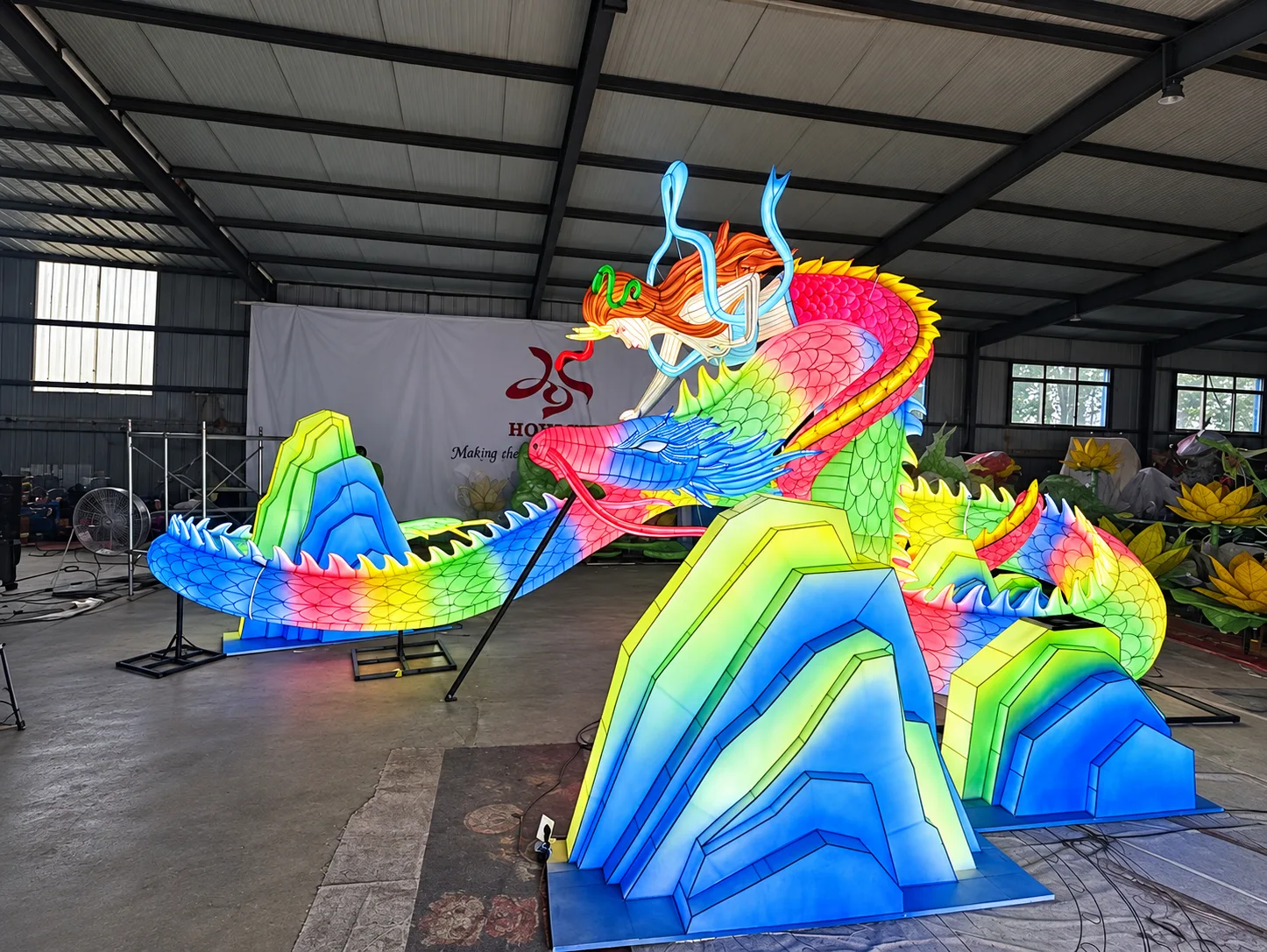
Dragon and phoenix lanterns are among the most recognizable forms in large lantern displays. Dragon designs often emphasize scale, movement and strong red or gold tones, while phoenix lanterns use extended wings and layered colors. They are commonly used in plazas, cultural festivals, parades and large public events.
Lotus Lanterns
Lotus lanterns are closely associated with Buddhist culture and are commonly linked with purity and peace. Modern versions can use LED lighting and structures designed for land or water-based installations, creating large illuminated compositions for festivals, lakeside events and scenic destinations.
Revolving Lanterns (Zou Ma Deng)
Traditional revolving lanterns used heat from candles to rotate internal paper figures and shadows. Modern versions can use electric motors, LED lighting and controlled projection effects to create moving images, stories or themed visual content.
Animal-Themed Lanterns
Zodiac animals and symbolic creatures remain popular subjects for lantern displays. Modern production can combine shaped metal frames, decorative fabrics and LED lighting to create large animal lanterns for Lunar New Year events, theme parks, tourism projects and international lantern festivals.
Creative and Technological Lanterns
Contemporary lantern installations can also combine sound, light and digital technology, allowing traditional decorative forms to become more interactive and adaptable to modern events.
- Programmable LED lighting: Changes colors, brightness and lighting patterns.
- Interactive sensors: Trigger lighting or audio effects when visitors approach.
- Projection integration: Adds moving images or visual content to selected surfaces.
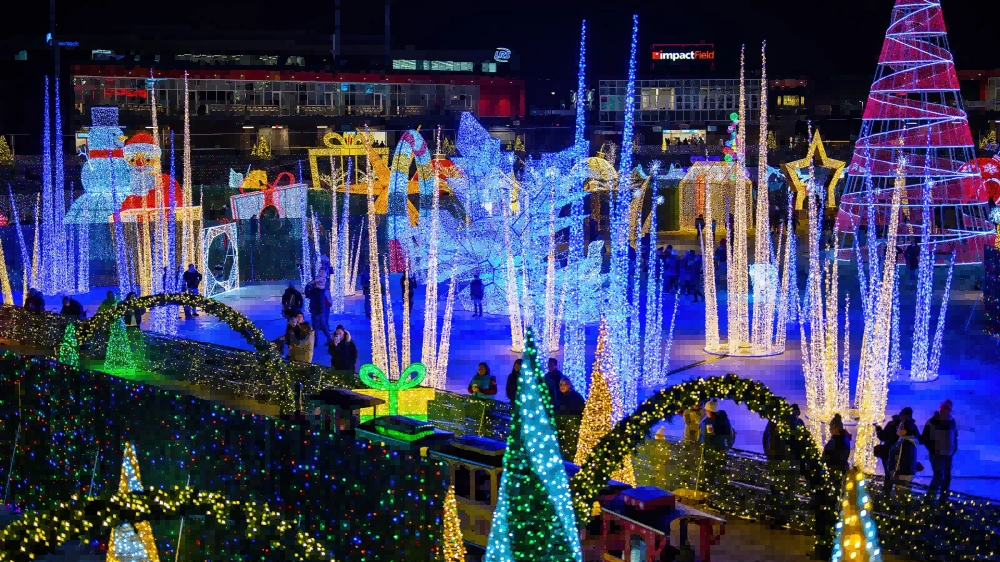
These developments allow lantern installations to be used not only in traditional festivals, but also in commercial districts, cultural tourism projects, theme parks, seasonal events and public spaces.

4. Lighting Up Culture and the Future
From early religious and seasonal customs to large public festivals and international light exhibitions, lanterns have long been associated with light, blessing and celebration. Across Asia, they also connect different cultural traditions through shared ideas of reunion, remembrance, hope and festivity.
Modern lantern installations combine traditional craftsmanship with new lighting and structural technology. This allows familiar symbols to be presented at a larger scale for city festivals, tourism destinations, parks, commercial events and cultural projects.
Custom Decorative Lantern Projects
Holilite produces custom decorative lanterns including dragon and phoenix lanterns, lotus lanterns, revolving lanterns, animal-shaped lanterns and interactive LED installations. Designs can be developed according to the theme, venue, dimensions and lighting requirements of the project.
These installations can be used for city festivals, cultural tourism destinations, theme parks, commercial spaces and seasonal events.