How China Celebrates the Spring Festival
The Spring Festival is the most important traditional holiday in China, shaping the country’s largest annual migration, strongest consumption period, and most visually striking urban transformations. More than a cultural celebration, it marks a nationwide reset — businesses pause, families reunite, and cities shift into a festival mode defined by color, light, and symbolism.
While customs vary across regions, one element remains constant: light represents hope, prosperity, and a bright beginning for the year ahead.
The Cultural Foundations of the Spring Festival
Rooted in the lunar calendar, the Spring Festival signals the transition from winter to renewal. Preparations often begin weeks in advance, with households cleaning their homes to symbolize clearing away past misfortune and making room for incoming luck.
Red becomes the dominant visual language during this period. It appears on door couplets, street decorations, gift packaging, and public installations because it traditionally represents happiness and protection.
Reunion dinners on New Year’s Eve bring families together, while fireworks — where permitted — reflect the long-held belief in driving away negativity and welcoming good fortune.
Yet beyond these household traditions, the modern Spring Festival is equally defined by how entire cities redesign their public spaces.
How Cities Transform Urban Spaces for the New Year
In the weeks leading up to the holiday, commercial districts, tourism zones, and municipal plazas begin installing themed decorations designed to attract visitors and stimulate seasonal spending.
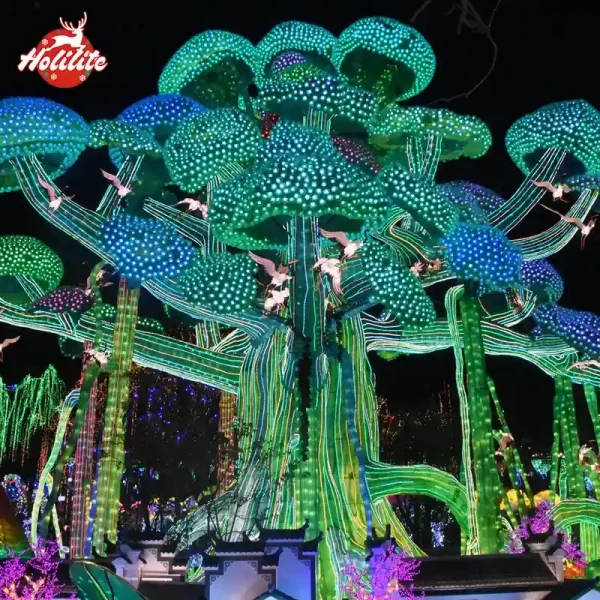
Large-scale Spring Festival lantern displays have become especially prominent. Rather than relying solely on small hanging lanterns, many cities now invest in engineered lighting structures that function as temporary landmarks.
Common installations include:
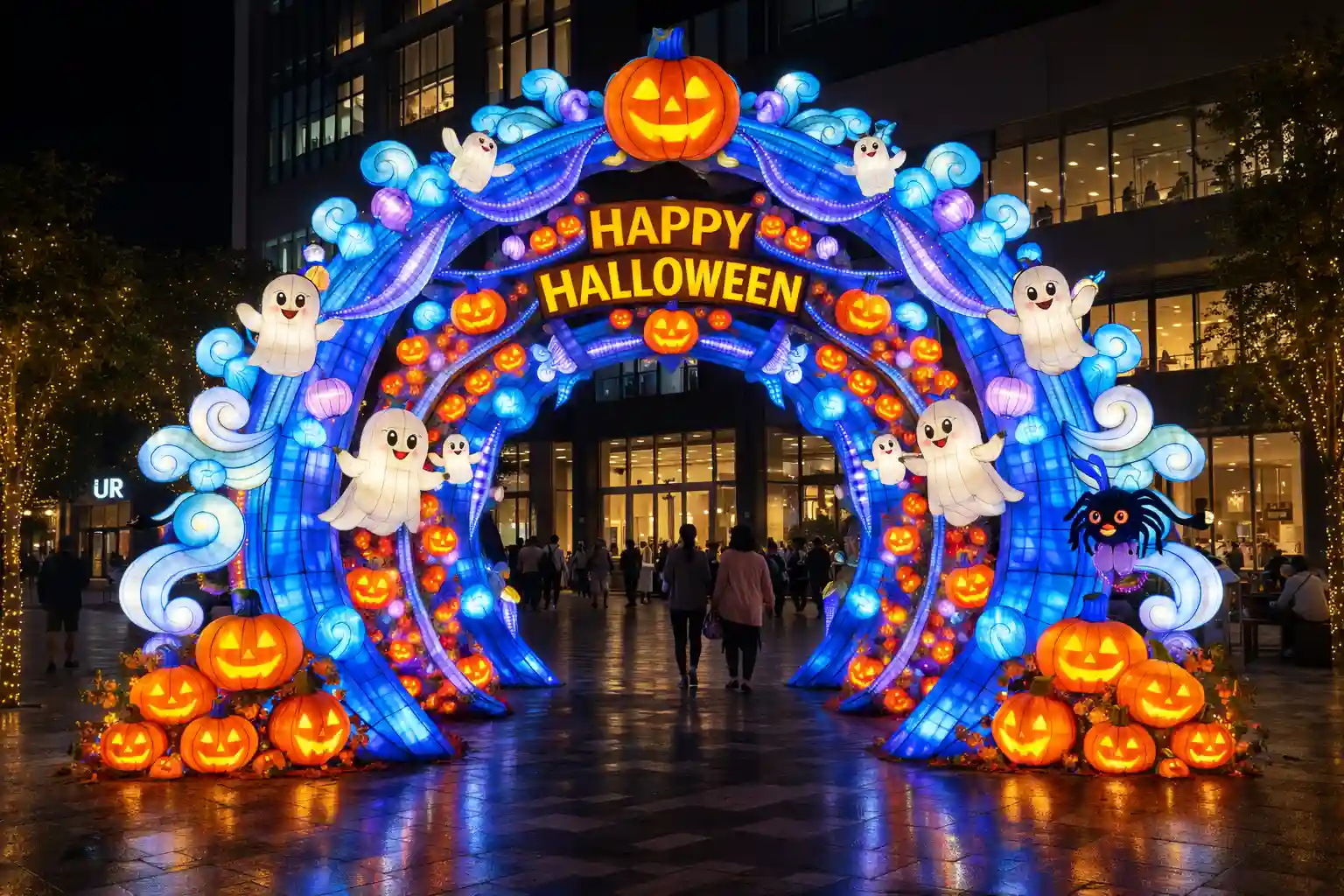
Illuminated entrance gates marking festival streets
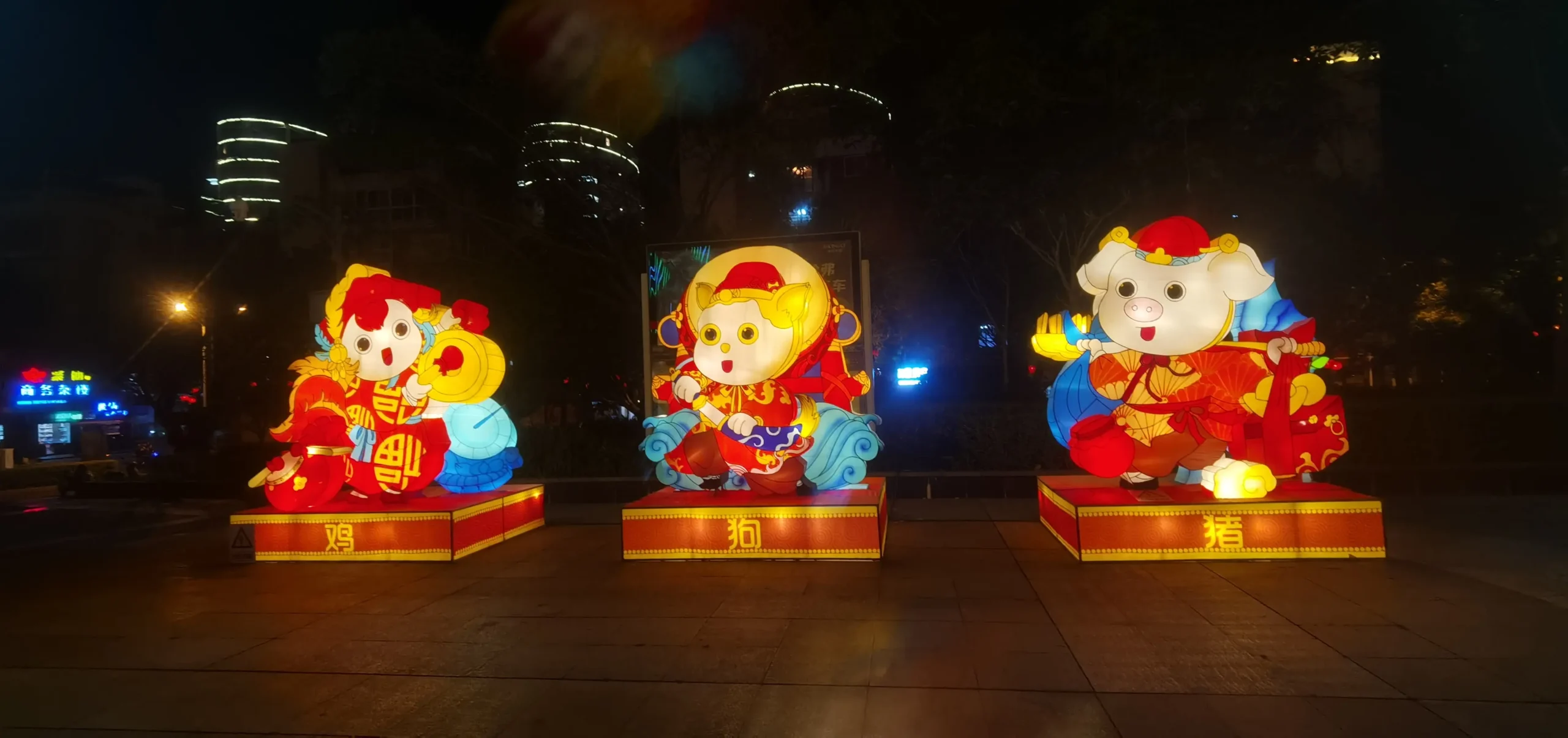
Zodiac-themed sculptures positioned in central plazas
Lantern corridors that encourage pedestrian flow
Overhead lantern arrays that visually unify entire blocks
These projects are carefully planned — not only for cultural expression but also to increase foot traffic, extend nighttime activity, and support local businesses during one of the year’s busiest consumption periods.
In many destinations, the lantern display itself becomes a seasonal attraction.
Zodiac Lanterns — A Tradition That Evolves Every Year
The Chinese zodiac rotates on a twelve-year cycle, giving each Spring Festival a distinct visual identity. Cities frequently align their lantern themes with the incoming animal, ensuring decorations feel timely and culturally relevant.
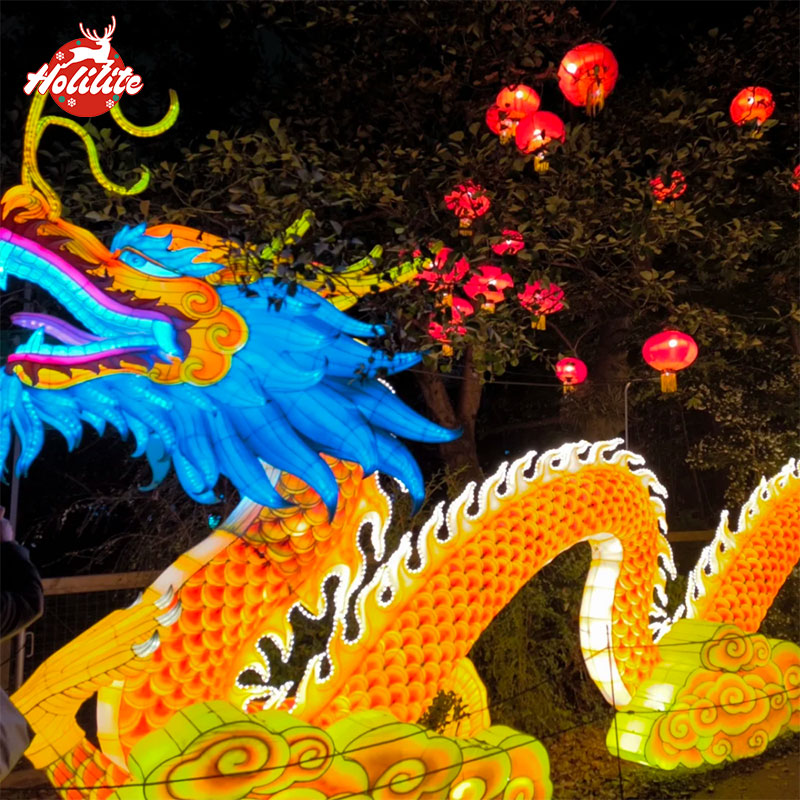
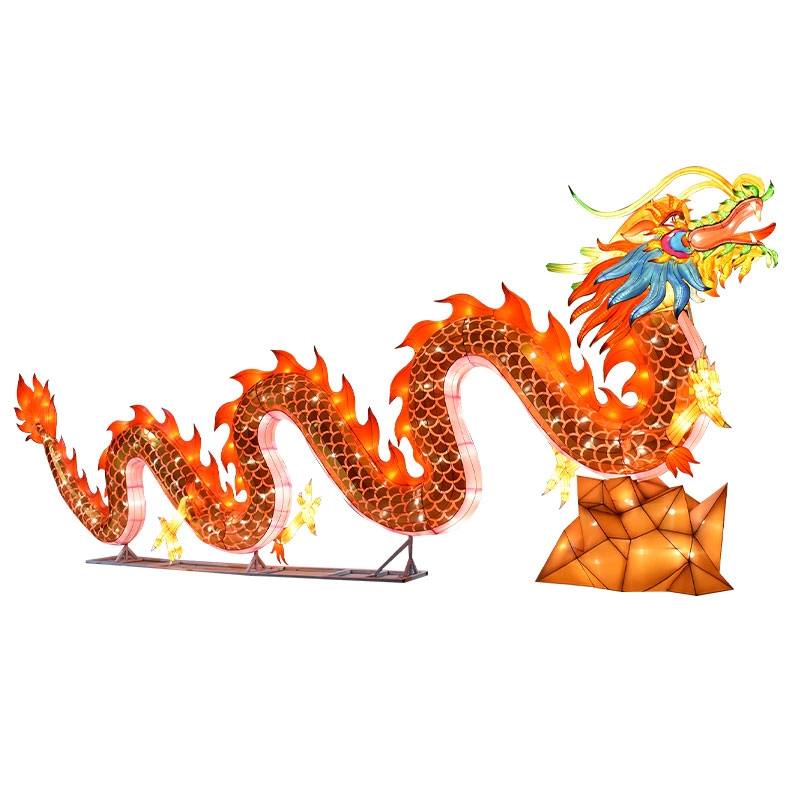
During the Year of the Dragon, for example, municipalities often commission sweeping dragon installations that stretch across public squares or wind through pedestrian streets. These structures communicate strength and momentum — qualities widely associated with the dragon in Chinese culture.
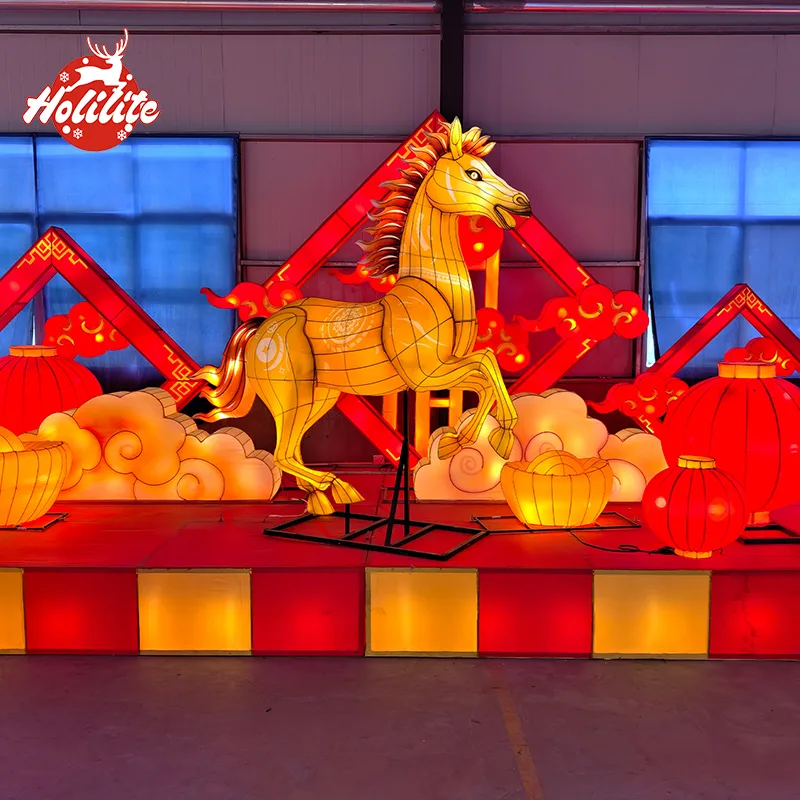
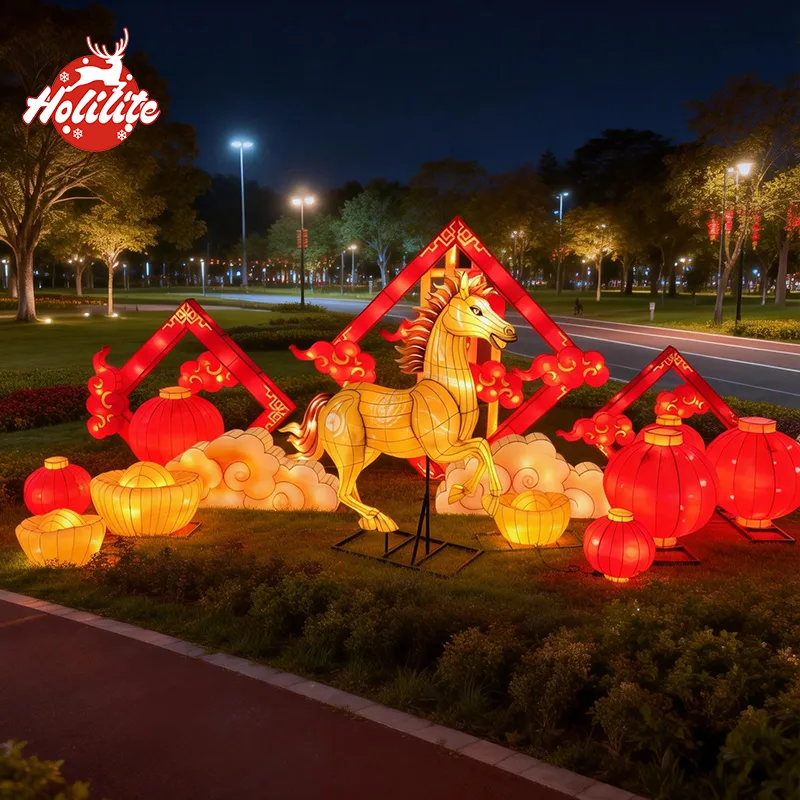
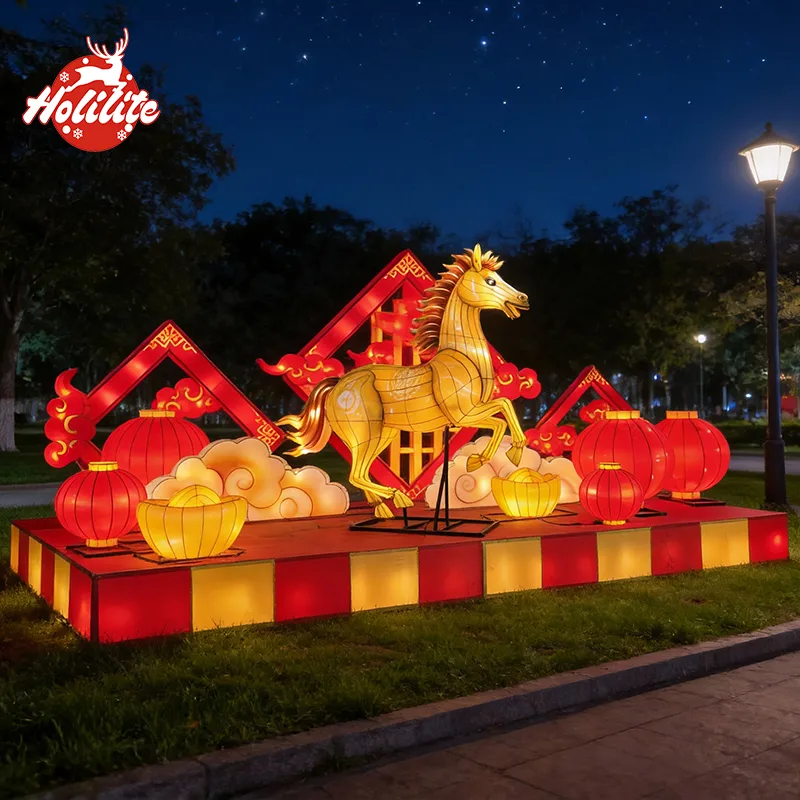
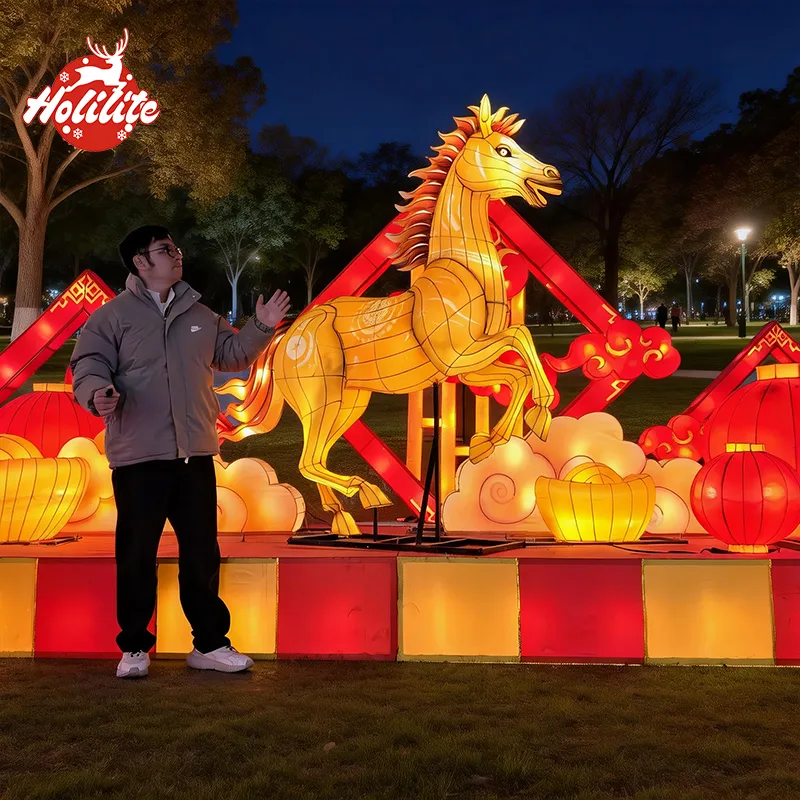
This year welcomes the Year of the Horse, inspiring a new wave of horse-themed lantern sculptures across urban landscapes.
Horse lanterns are typically designed with forward-leaning postures or running forms, visually reinforcing the idea of progress. When placed at major entrances or open plazas, they naturally become gathering points where visitors pause, photograph, and share the experience.
Because each zodiac returns every twelve years, many planners favor modular construction, allowing core frames to be refreshed with updated artistic elements in future cycles.
The Meaning Behind the Year of the Horse
In Chinese tradition, the horse symbolizes energy, resilience, and determination. Historically linked to travel and victory, it represents steady advancement and the courage to move toward new horizons.
People born in the Year of the Horse are often described as:
Driven
Optimistic
Independent
Action-oriented
These traits translate naturally into New Year wishes centered on growth and achievement.
Common blessings associated with the Year of the Horse include hopes for rapid success, smooth journeys, and continuous progress — messages that resonate strongly in both personal and commercial contexts.
Visually, horse-themed lanterns often emphasize motion. Flowing lines, lifted hooves, and illuminated contours help convey momentum, making the sculptures feel dynamic even when stationary.
For city planners, this sense of movement subtly reinforces an atmosphere of opportunity as the new year begins.
Why Lantern Displays Have Become Essential to Modern Celebrations
Today’s Spring Festival is as much about shared public experience as it is about private tradition. Well-designed lantern environments encourage people to step outside, explore their city at night, and participate in a collective celebration.
For commercial districts, this translates into measurable benefits:
Higher visitor volumes
Longer dwell time
Increased seasonal spending
Stronger destination recognition
The most successful installations balance cultural authenticity with structural reliability, ensuring they remain visually compelling throughout the holiday period regardless of weather or crowd density.
As expectations rise each year, cities continue moving toward larger, more immersive lighting designs — transforming the Spring Festival into a visual spectacle that blends heritage with modern urban life.
FAQ
Why do Chinese cities install zodiac lanterns each year?
Aligning decorations with the zodiac creates a fresh visual theme annually while preserving cultural continuity.
What makes horse lanterns especially meaningful this year?
They symbolize progress, strength, and forward momentum — qualities traditionally associated with success in the coming year.
Are large lantern displays purely decorative?
Beyond aesthetics, they help attract visitors, activate public spaces, and support seasonal commerce.
When do cities typically begin preparing Spring Festival installations?
Planning often starts months ahead to allow time for design, fabrication, and safe installation before the holiday rush.
Can zodiac lantern structures be reused?
Many are engineered with modular frameworks so they can be refreshed or adapted for future celebrations.