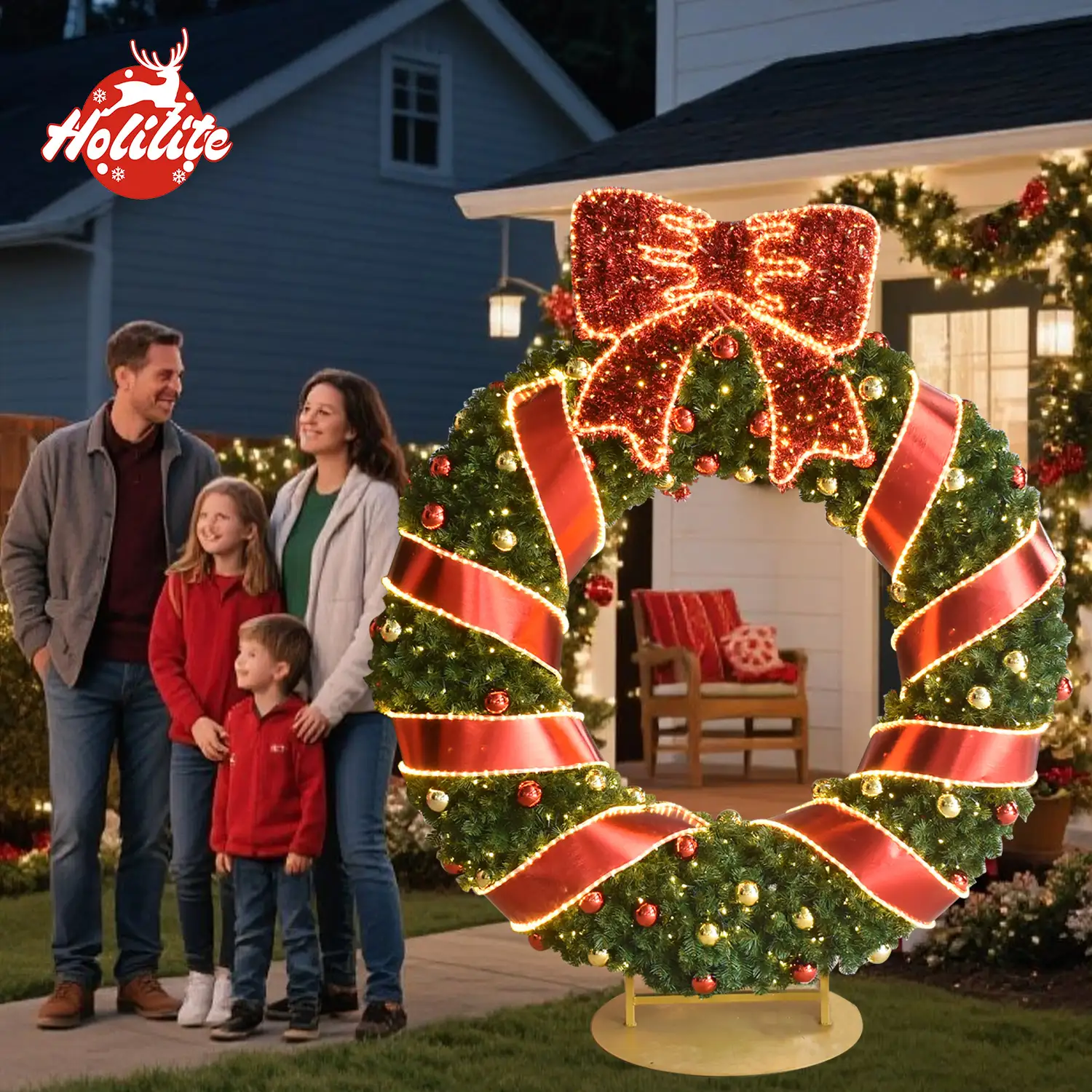
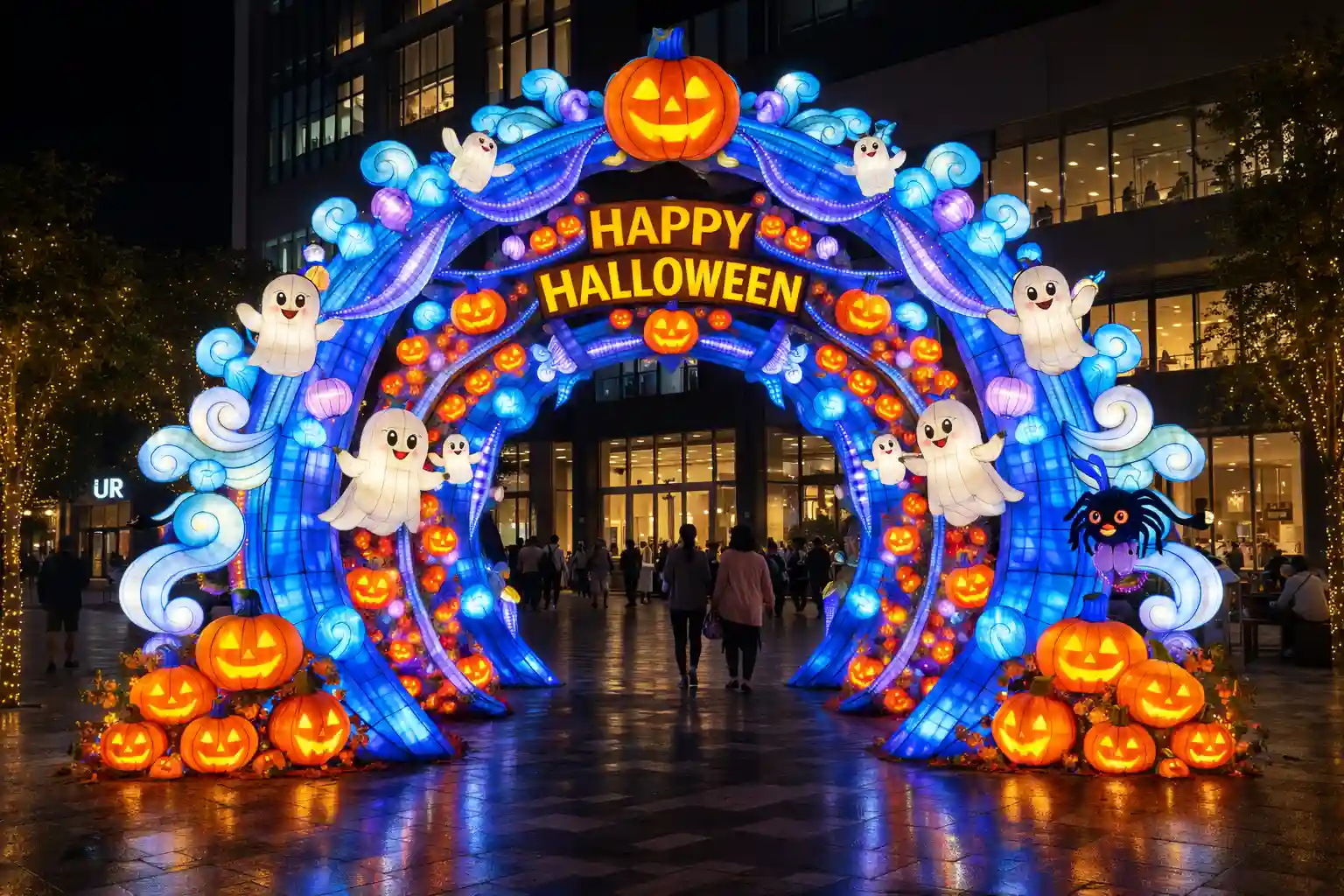
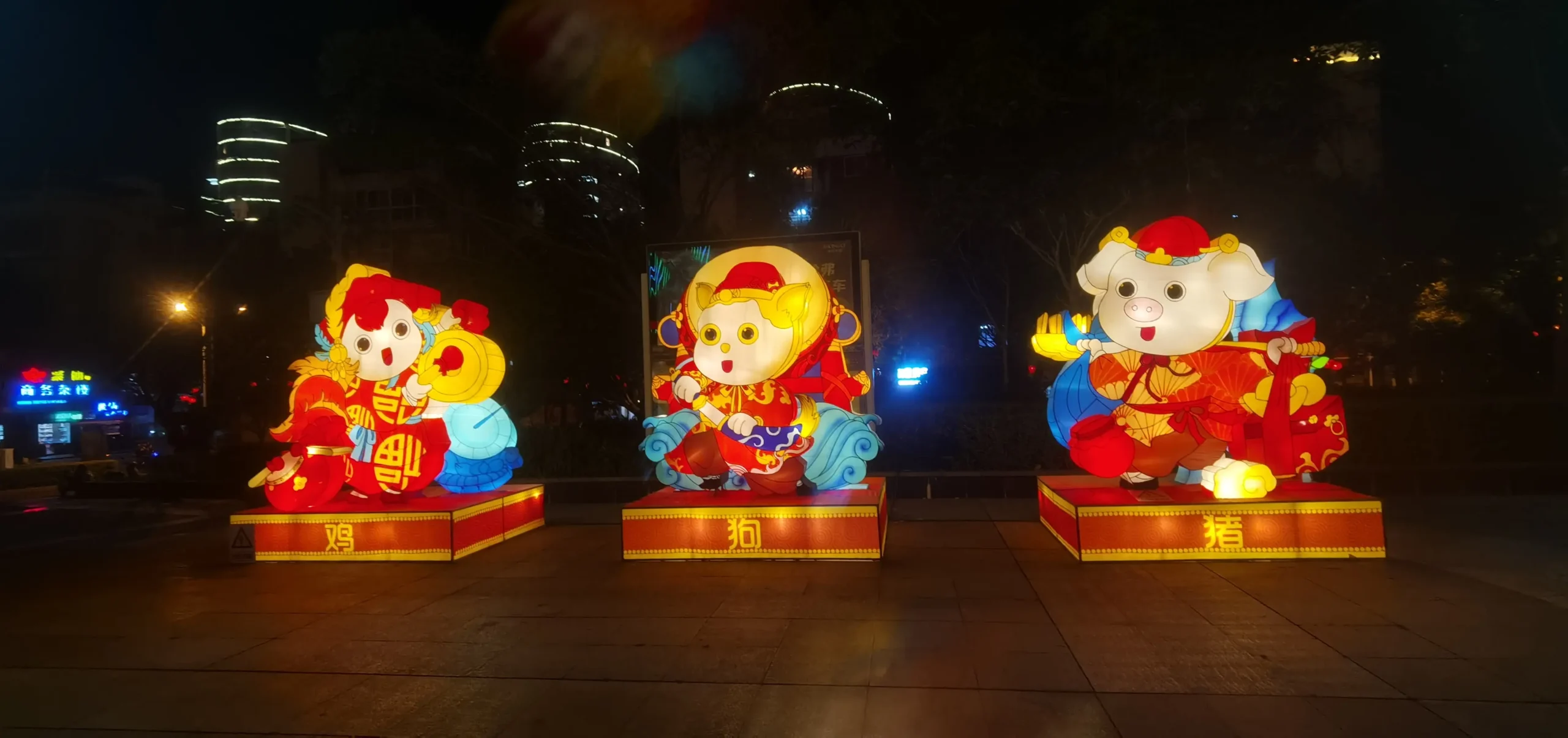
2026 Popular Lighting Sculptures and How They Are Actually Built
From commercial plazas to tourism projects, large-scale lighting sculptures continue to define visual atmosphere in modern festive displays.
In recent years, decorative lighting installations have become a standard element in commercial spaces, tourism projects, and seasonal events.
From shopping malls to public parks, large-scale lighting sculptures are no longer simple decorations. They are designed to attract attention, guide foot traffic, and create immersive visual experiences.
As demand continues to grow, certain types of lighting sculptures have become consistently popular across global markets in 2026.
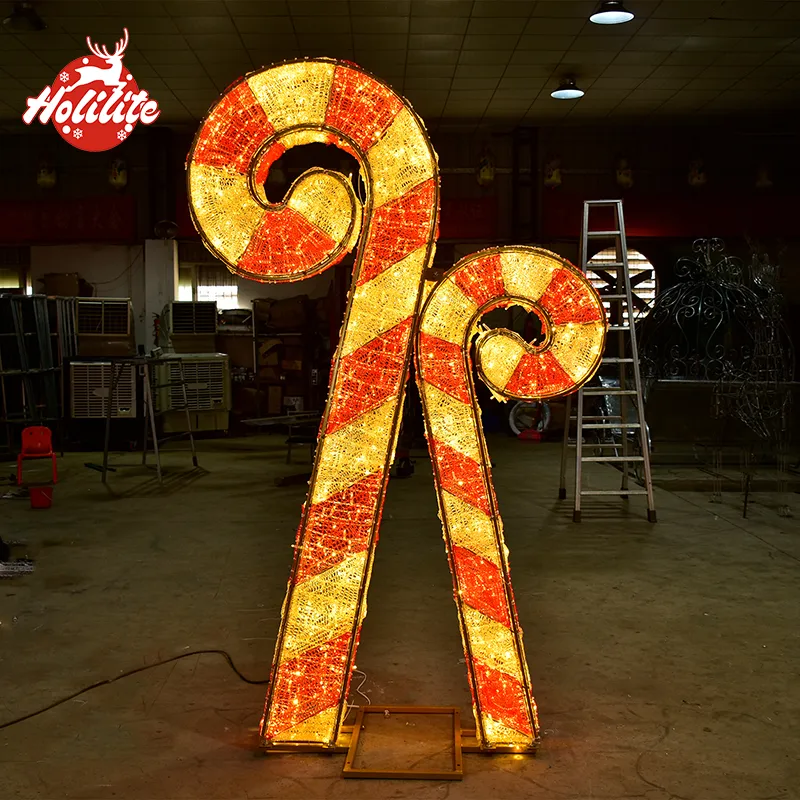
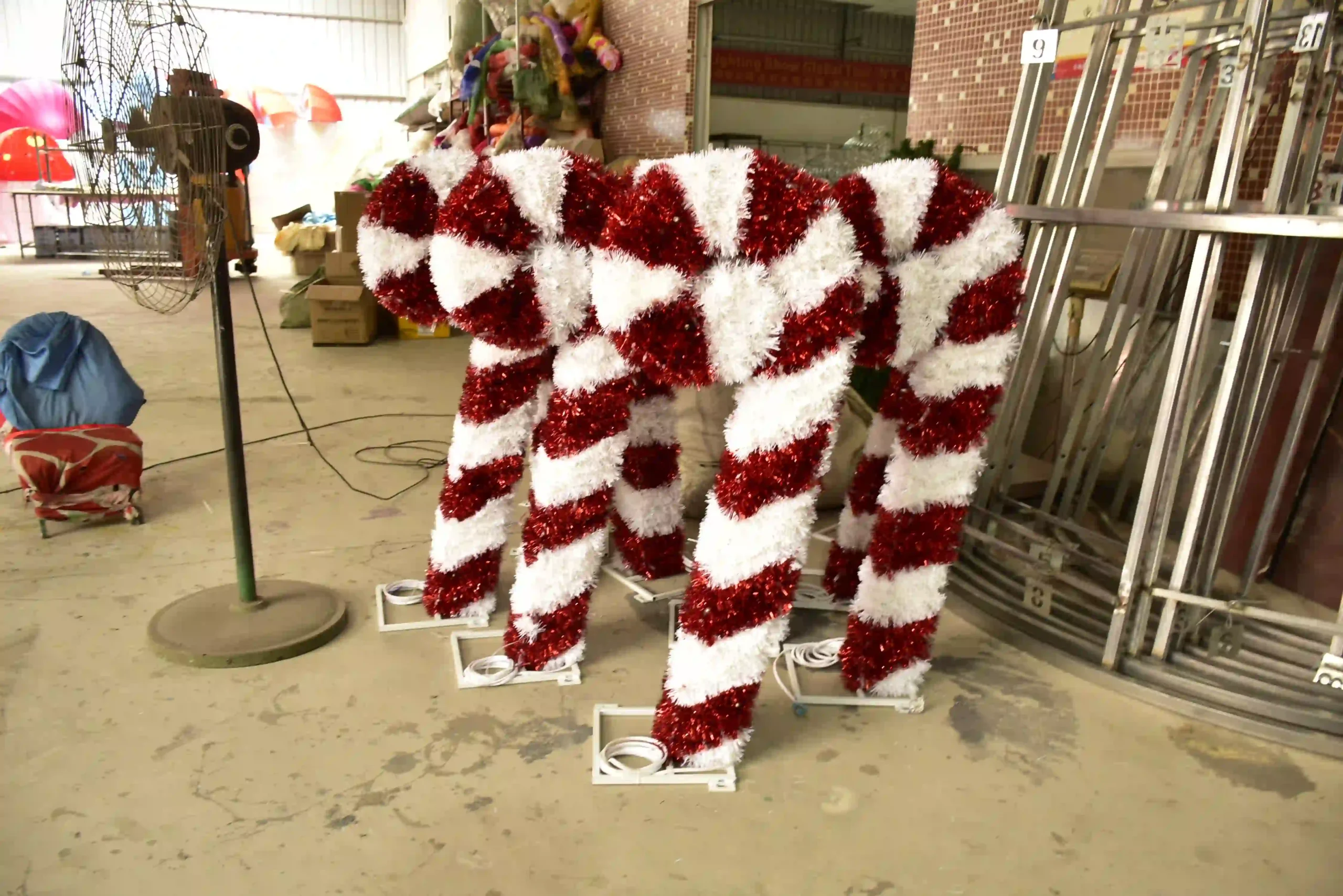
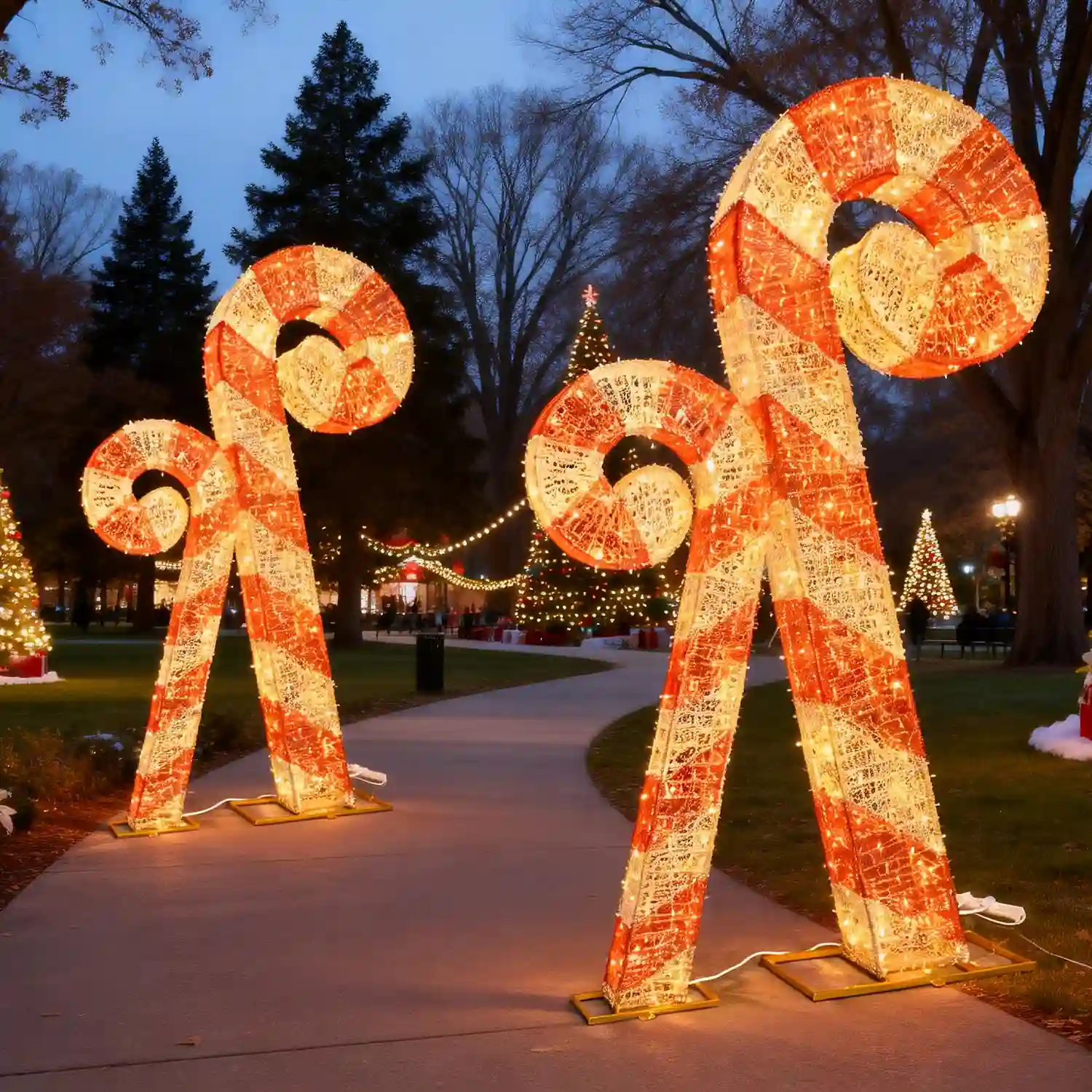
Commercial Outdoor 3D Candy Cane Lighting
A recognizable seasonal structure commonly used for festive streets, themed zones, and outdoor decorative lighting arrangements.
View Product →
Golden Reindeer Light Sculpture
A classic 3D lighting sculpture form widely used in outdoor festive displays, commercial plazas, and holiday scene construction.
View Product →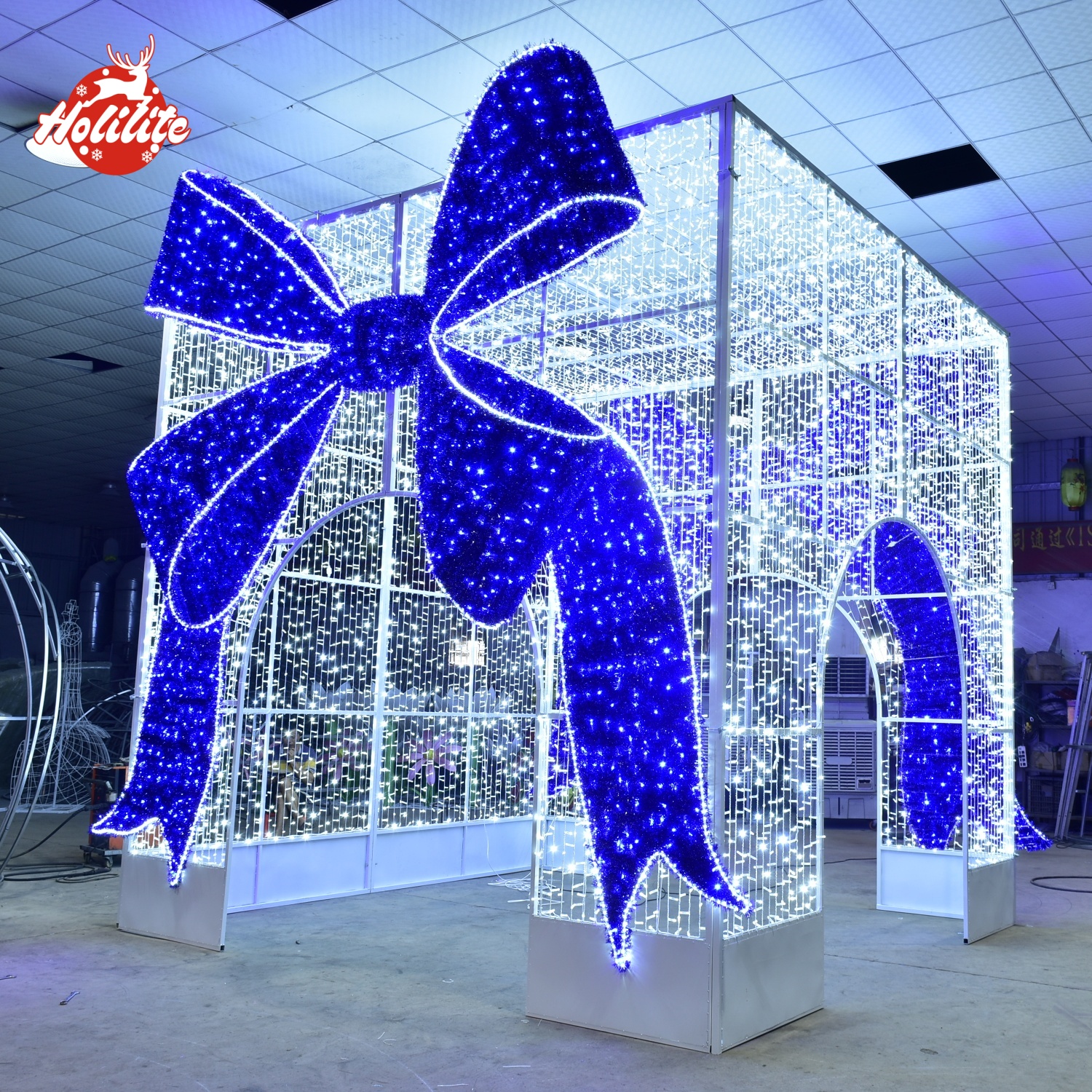
Blue Bow Gift Box Arch Motif Light
A decorative entrance motif that combines gift box symbolism, archway structure, and layered lighting for stronger visual attraction.
View Product →10 Most Popular Lighting Sculpture Types in 2026
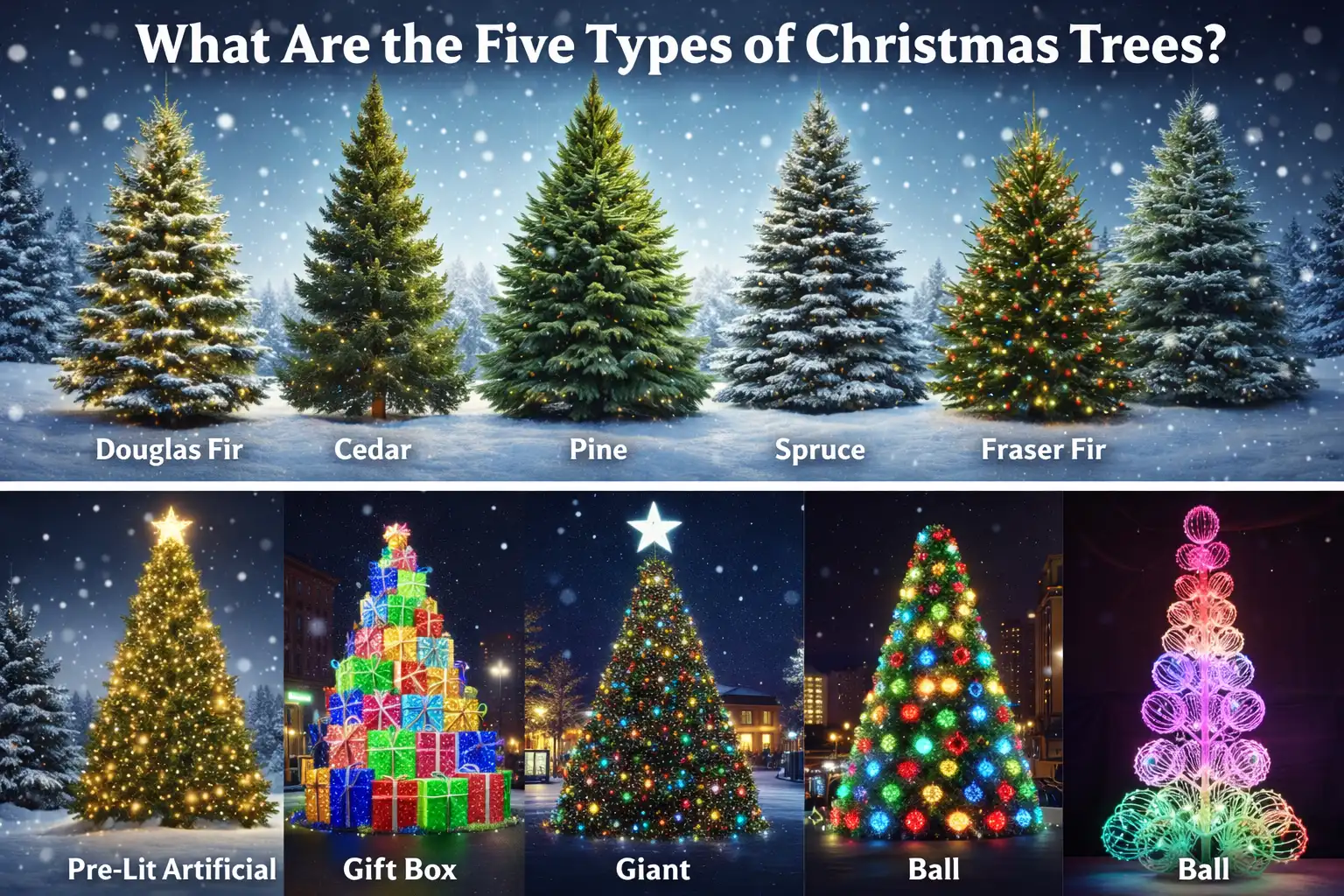
Giant Christmas Tree Structures
Giant Christmas tree structures remain one of the most widely used installations in plazas and commercial centers. Their height and symmetry make them highly visible from long distances, especially in large outdoor environments.
Walk-through Light Tunnels
Walk-through light tunnels are increasingly used in pedestrian streets and parks. These structures are designed for interaction, allowing visitors to physically enter the installation and experience the lighting from within.
Animal-shaped Light Sculptures
Animal-shaped light sculptures, such as deer, horses, and other figures, continue to be in stable demand. These designs are commonly used in holiday projects and outdoor themed displays.
Gift Box Lighting Decorations
Gift box lighting decorations are frequently placed at entrances of shopping malls or retail areas. Their simple geometric shape allows flexible scaling and easy installation.
Light Arch Structures
Light arch structures are widely used in weddings, festivals, and event entrances. They create a clear visual pathway while also serving as a focal point.
Candy Cane and Symbolic Decorative Elements
Candy cane and symbolic decorative elements are used in themed displays, especially during holiday seasons. Their recognizable shapes make them effective for quick visual impact.
Interactive Photo Frame Installations
Interactive photo frame installations are designed specifically for social media use. These structures combine lighting with user interaction, encouraging visitors to take photos.
Lantern-style Cultural Lighting Installations
Lantern-style cultural lighting installations are often used in tourism projects and traditional festivals. These designs usually involve more complex structures and layered lighting.
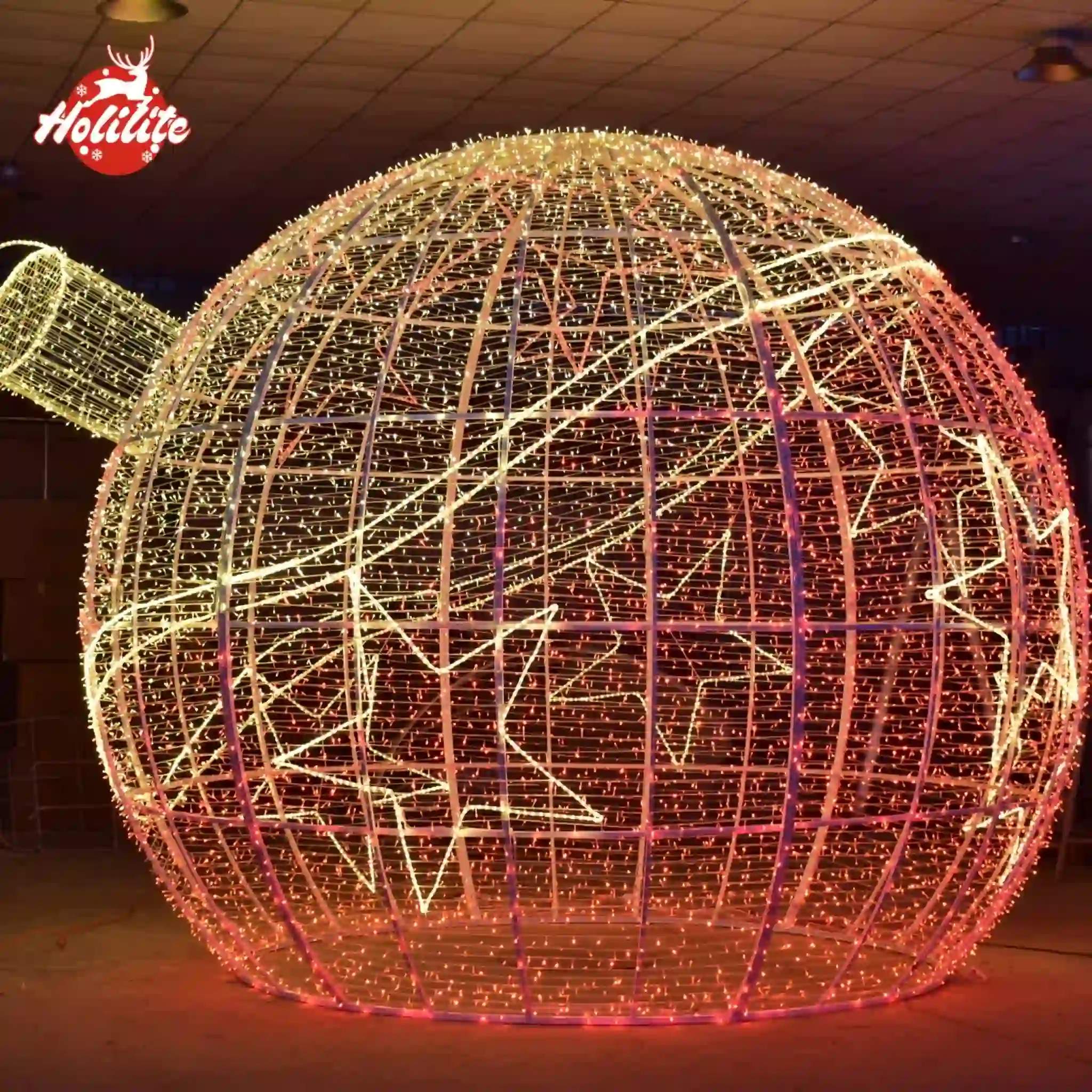
Hanging Light Spheres
Hanging light spheres are used to fill large overhead spaces. They are commonly seen in shopping malls, streets, and event venues.
Custom Brand or IP-based Lighting Sculptures
Custom brand or IP-based lighting sculptures are increasingly popular in marketing campaigns. These are designed based on logos, mascots, or brand elements.
Although these products appear very different in design, their production process follows a consistent structure.
The Structure Comes First
Structural Frame Foundation
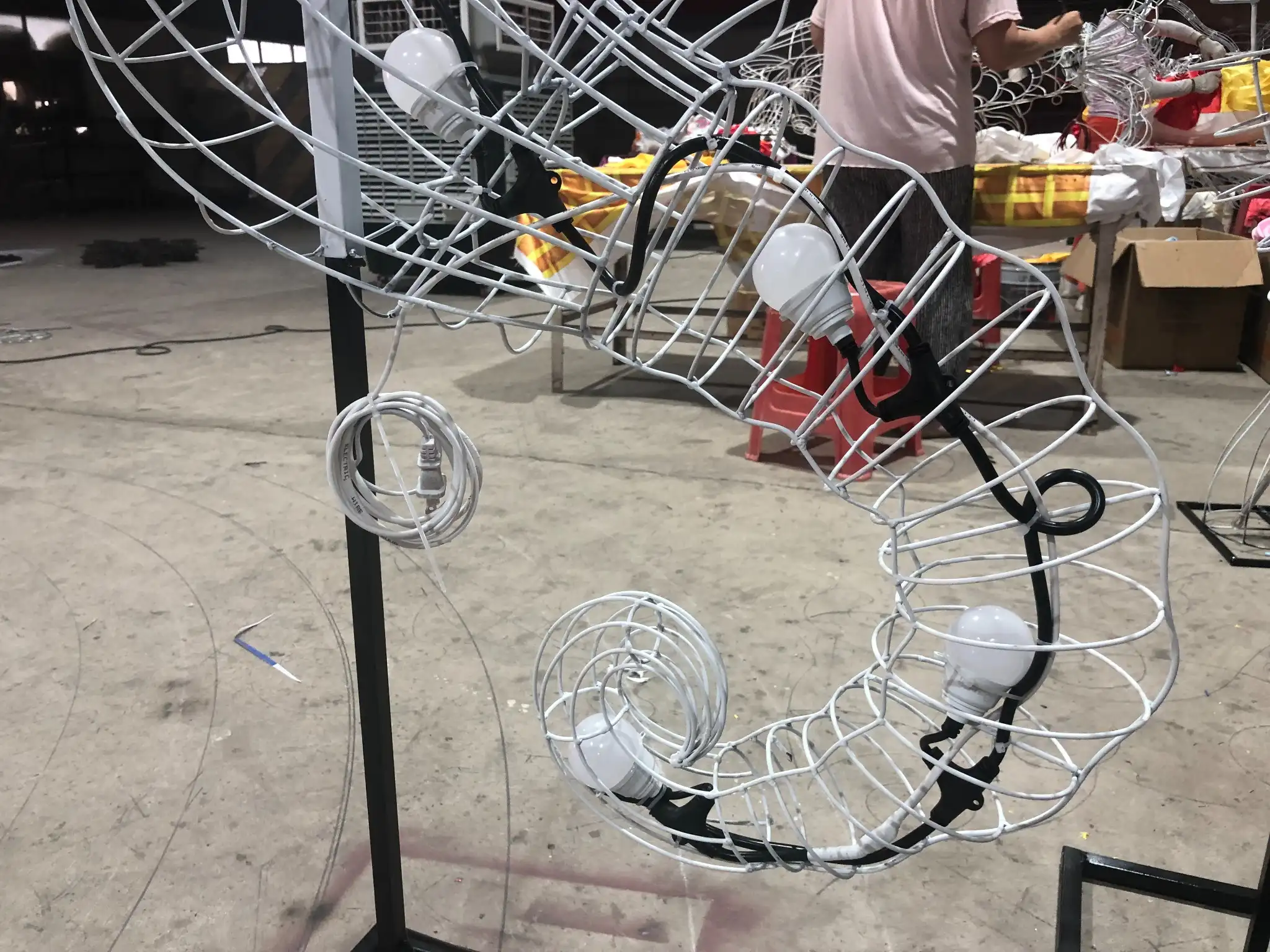
All lighting sculptures begin with a structural frame.
This frame is usually made of steel wire or metal rods, shaped and welded to match the design. It defines the overall form of the product, including proportions, size, and stability.
For example, animal sculptures require precise shaping to maintain realistic proportions, while arches and tunnels must be designed to handle weight and installation conditions.
At this stage, the product does not yet emit light, but its final appearance has already been largely determined.
LED Strips Define the Visual Outline
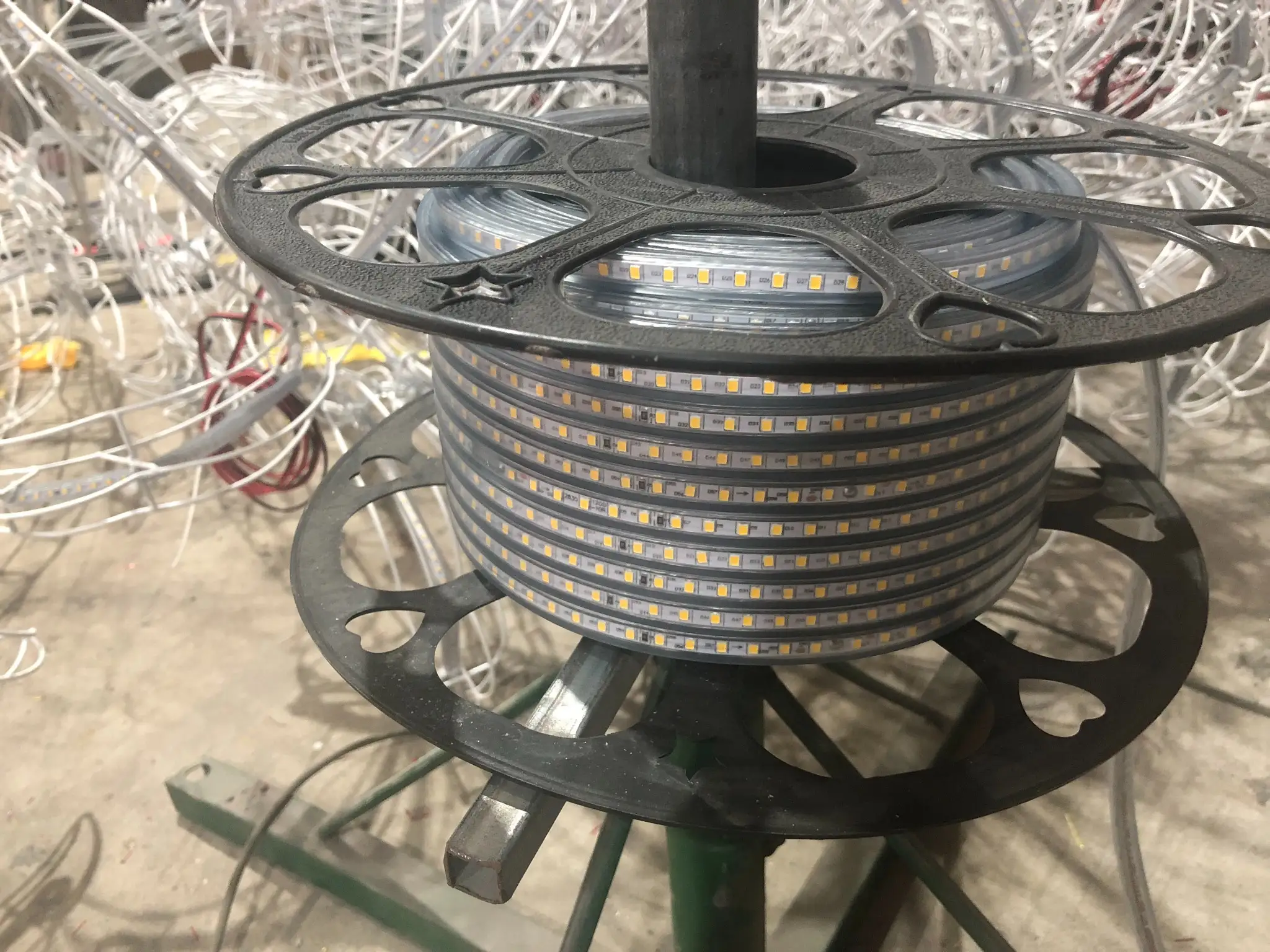
After the structure is completed, LED strip lights are installed along key lines of the frame.
These strips are used to outline the shape of the structure. They follow edges, contours, and major visual lines, allowing the design to remain clear even from a distance.
For tree structures, LED strips are often installed in spiral patterns. For arches, they are placed along the outer edges. For figures, they highlight the silhouette.
The purpose of this step is not only illumination, but also visual definition.
Bulb Strings Add Brightness and Depth
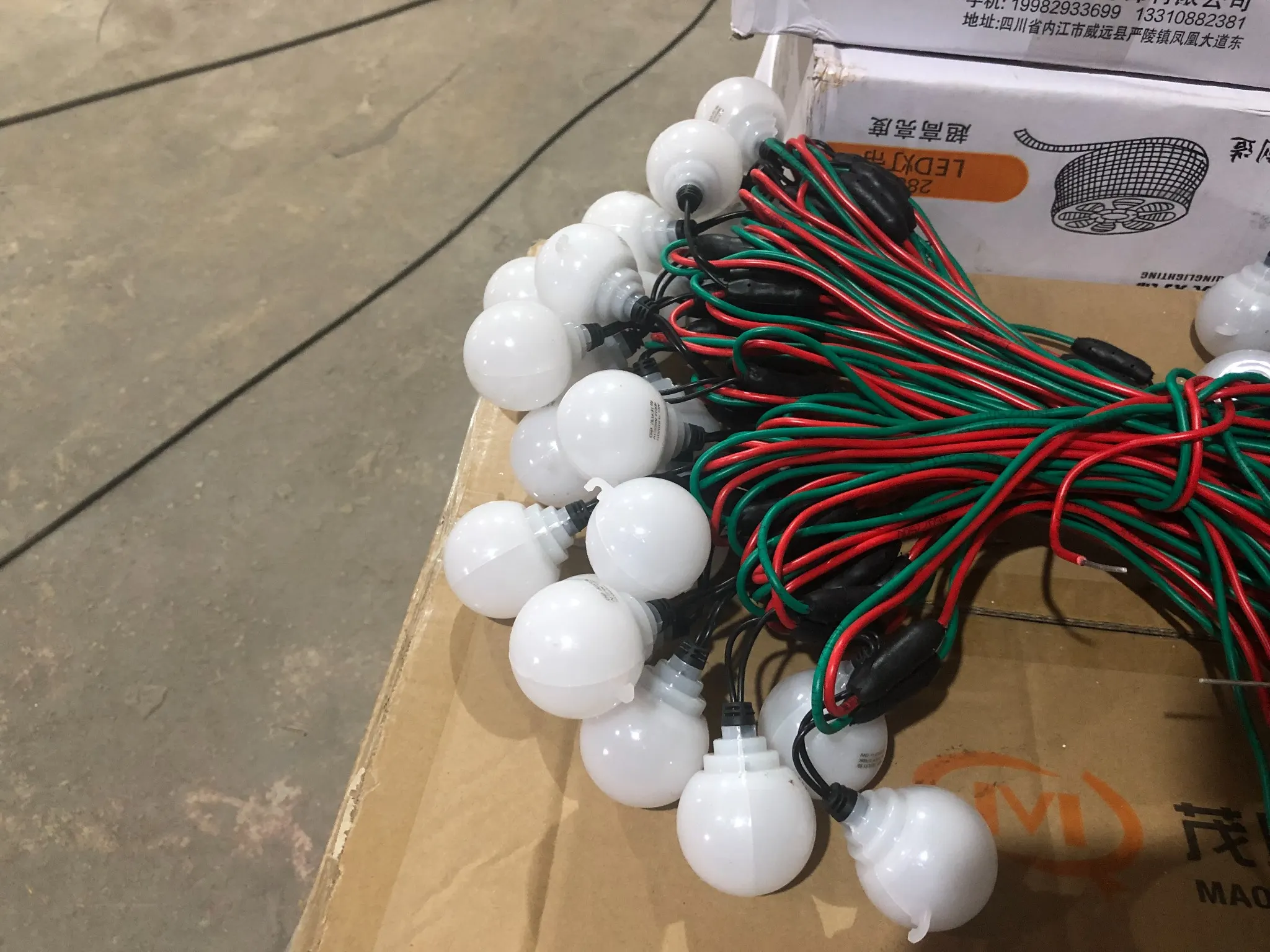
Once the outline is defined, bulb strings are added to enhance brightness and fill the structure.
These lights are distributed across surfaces or inside the frame, depending on the design. They increase visual density and make the installation appear fuller and more vibrant.
In gift box designs, bulb strings are often placed inside to create a glowing effect. In spherical designs, they are evenly distributed across the surface. In animal figures, they are used selectively to enhance specific areas.
This step plays a major role in the final visual impact of the product.
From Materials to Finished Installation
The production process typically follows a clear sequence.
This structured approach allows different designs to be produced efficiently while maintaining consistent quality.
FAQ About Lighting Sculpture Materials
What is the difference between LED strips and bulb strings
LED strips are used to create continuous lines and define shapes, while bulb strings provide point lighting and increase brightness.
Why is the metal frame necessary
The frame determines the shape, strength, and installation stability of the product.
Can these materials be used outdoors
Yes, provided that waterproof LED strips and corrosion-resistant frames are used.
Which part affects the final appearance the most
The combination of strip placement and bulb density has the greatest impact on visual effect.
Can the design be customized
Yes, both structure and lighting layout can be adjusted based on project requirements.