Where Did the Christmas Tree Originate?
The Christmas tree is one of the most beloved symbols of the holiday season — standing tall, glowing with lights, and surrounded by gifts. But have you ever wondered where this beautiful tradition began? The story of the Christmas tree stretches back centuries, blending ancient customs, Christian symbolism, and modern creativity into one timeless celebration.

Ancient Roots: Evergreen as a Symbol of Life
Long before the first “Christmas tree” appeared, ancient civilizations used evergreen plants during the winter solstice. In ancient Egypt, people decorated their homes with palm leaves to celebrate life’s triumph over death. The Romans honored the god Saturn with green branches during Saturnalia, a festival associated with celebration and seasonal renewal.
For northern European pagans, evergreens such as fir and pine symbolized eternal life and hope, reminding people that spring would return even in the coldest winter. These ancient traditions planted some of the earliest cultural roots of what would eventually become the Christmas tree tradition.
The Christian Transformation
The modern Christmas tree tradition is commonly associated with Germany around the 16th century. Christian families brought evergreen trees into their homes and decorated them, with candles later becoming an important part of the tradition and symbolizing Jesus Christ as the light of the world.
According to a popular legend, Martin Luther, the Protestant reformer, was among the first to add candles to a Christmas tree. Inspired by stars shining through winter branches, he is said to have recreated the scene at home for his family. Whether historical or legendary, the story became closely associated with the development of the illuminated Christmas tree tradition.
Spreading Across Europe
By the 18th and 19th centuries, the Christmas tree had spread throughout Europe. German immigrants and communities carried the tradition to other countries, where it gradually evolved in style and meaning.
In Britain, the tree became especially fashionable during the reign of Queen Victoria and Prince Albert, who was of German heritage. An illustration of the royal family gathered around a decorated Christmas tree at Windsor Castle was published in 1848 and helped popularize the custom across Britain and the English-speaking world. Families increasingly began decorating their own trees with candles, ribbons, ornaments, and other festive elements.
The Christmas Tree in America
German settlers brought Christmas tree traditions to North America during the 18th century, although the custom became much more widely accepted during the 19th century. By the early 20th century, electric Christmas lights were increasingly replacing candles, allowing trees to become brighter and easier to illuminate.
This innovation helped transform the Christmas tree into a centerpiece of modern holiday celebrations — both in private homes and in large public displays.
Modern Evolution: Artificial Trees and Lighting
During the 20th century, artificial Christmas trees became increasingly popular because of their convenience, reusable construction, and ease of seasonal installation. Modern artificial trees are commonly made from materials such as PVC or PE, designed to reproduce the appearance of natural evergreen branches while allowing repeated use.
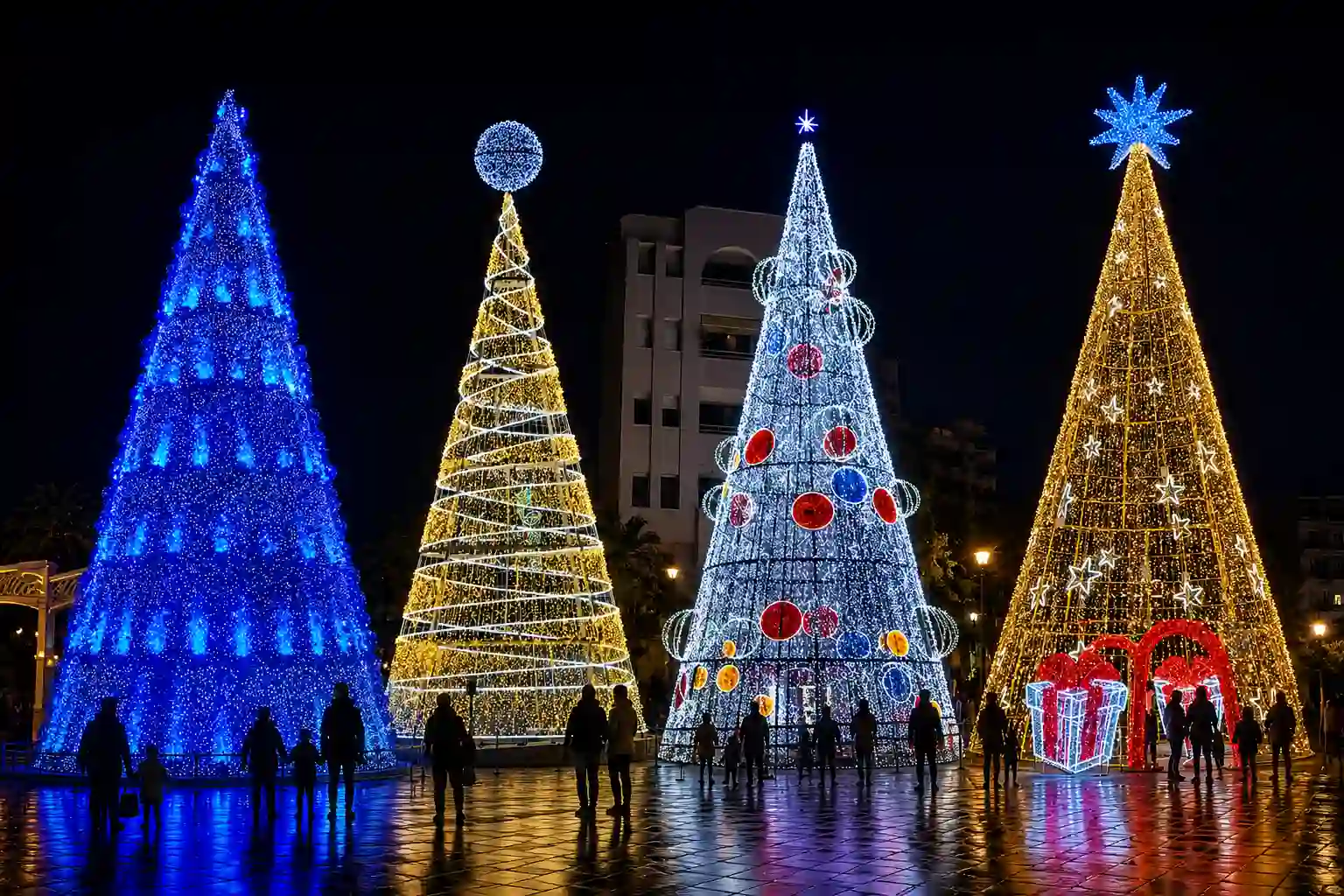
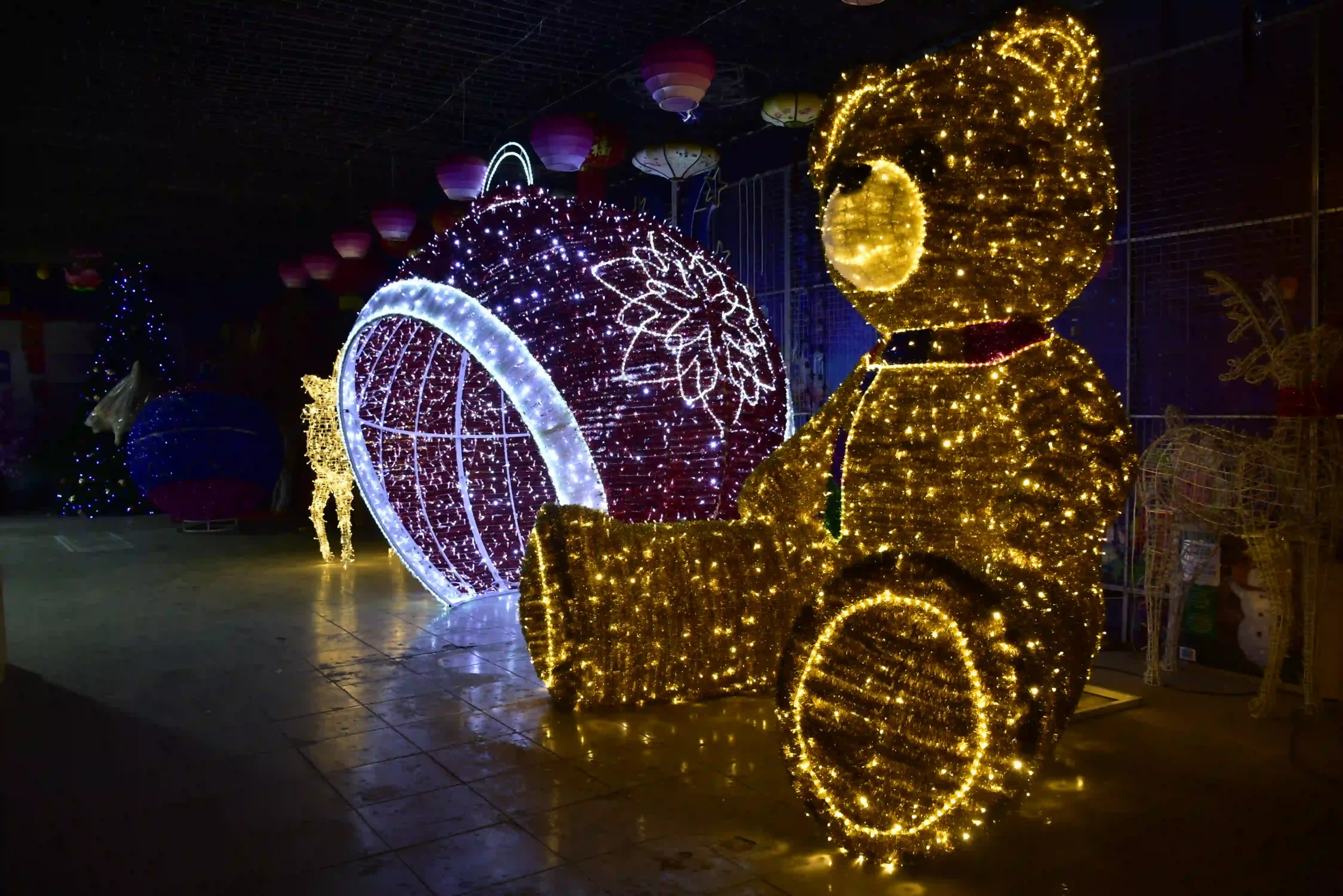
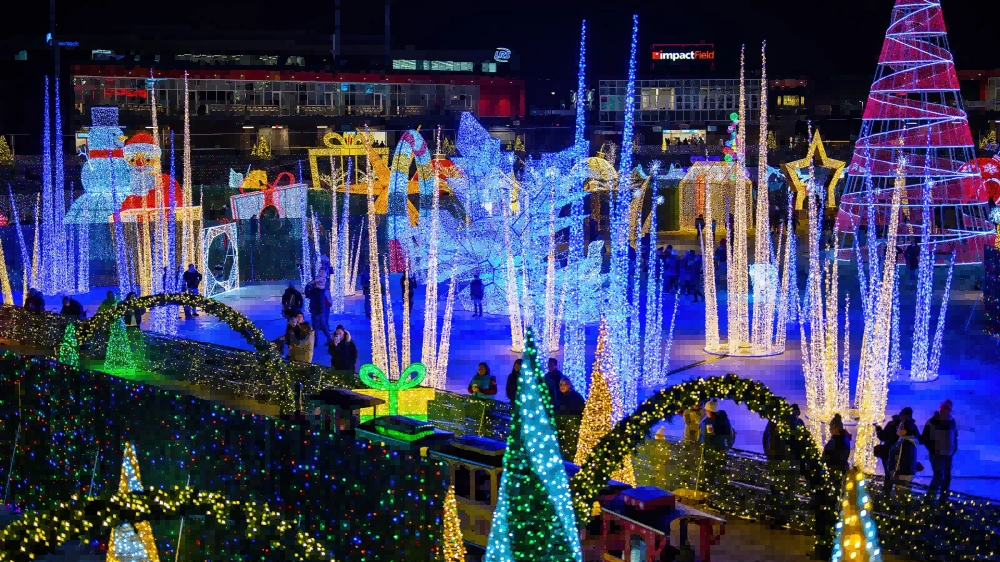
Today, artificial trees are available in many forms — including pre-lit, flocked, color-changing, and fiber-optic designs — combining traditional Christmas imagery with modern lighting technology. Paired with LED lights, they are now widely used in homes, hotels, shopping malls, public squares, commercial streets, and large festive installations around the world.
Pre-Lit Trees
Integrated lighting simplifies seasonal setup and creates a consistent illuminated appearance.
Flocked Trees
Artificial snow finishes create the appearance of a winter landscape and are widely used in themed Christmas displays.
Color-Changing Trees
Programmable lighting allows different colors and effects to be used for contemporary festive environments.
Large Commercial Trees
Modular artificial trees can be developed for hotels, shopping malls, city squares, parks, and other large public spaces.
The Spirit Lives On
From ancient evergreen rituals to the illuminated displays of today, the Christmas tree has remained closely associated with life, hope, and light during the darkest part of the year.
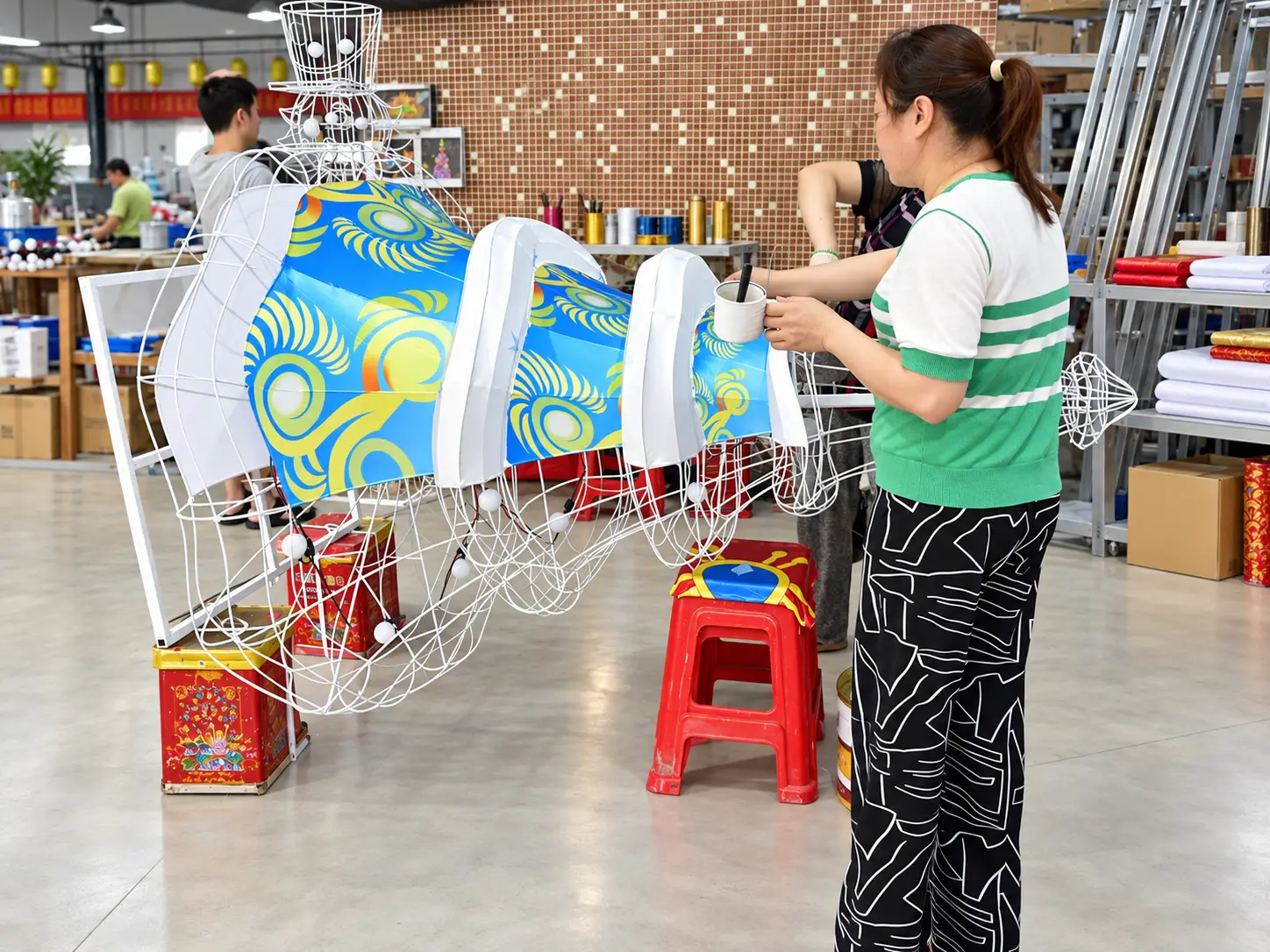
At Holilite, we continue that tradition through Christmas trees and festive lighting designed for modern seasonal displays. From classic evergreen forms to illuminated commercial trees, the Christmas tree continues to connect centuries of tradition with the way people celebrate Christmas today.