From Traditional Sculpture to Modern Light Sculptures
Sculpture is one of the oldest forms of human artistic expression. From ancient stone carvings to modern interactive installations, sculpture has always been closely connected with light and shadow. The way light falls on a sculpture determines how people perceive its shape, texture, and emotional impact.
Today, with the development of LED lighting technology and PVC string lights, sculptures are no longer limited to daylight viewing. Modern light sculptures can illuminate public spaces at night, turning art into immersive experiences that attract visitors and create memorable visual landmarks.
This article explores the history of sculpture, the importance of lighting in sculpting, and how modern LED technology has transformed traditional sculptures into spectacular illuminated installations.
The Origins of Sculpture: Light and Shadow in Ancient Art
Sculpture dates back thousands of years. Ancient civilizations such as Egypt, Greece, Rome, and China created sculptures from stone, bronze, clay, and wood.
These early sculptures relied entirely on natural sunlight to reveal their form.
Artists carefully designed sculptures so that sunlight would create dramatic shadows, emphasizing details such as:
facial expressions
clothing folds
muscle structure
architectural decoration
For example:
Greek marble statues were often placed in open courtyards or temples where the sun would highlight their form throughout the day.
Even without artificial lighting, sculptors understood that light is essential to sculpture.

Why Lighting Is Important in Sculpture
Sculpture is a three-dimensional art form, and lighting determines how viewers perceive its depth and structure.
Proper lighting helps reveal:
surface texture
edges and contours
depth and volume
artistic details
Without directional lighting, a sculpture can appear flat and lose much of its visual impact.
Traditionally, sculptures were displayed in galleries or outdoor environments where natural or architectural lighting enhanced their presence.
From Traditional Sculptures to Illuminated Sculptures
In the past, sculptures themselves did not emit light. Instead, lighting was used externally to illuminate them.
However, modern materials and lighting technology have changed this concept.
With the introduction of:
LED string lights
PVC coated wire lights
programmable lighting systems
artists and designers can now create light-emitting sculptures that glow from within.
These illuminated sculptures are widely used in:
city festivals
commercial plazas
shopping malls
theme parks
holiday decorations
They combine art, engineering, and lighting technology to create large-scale visual installations.
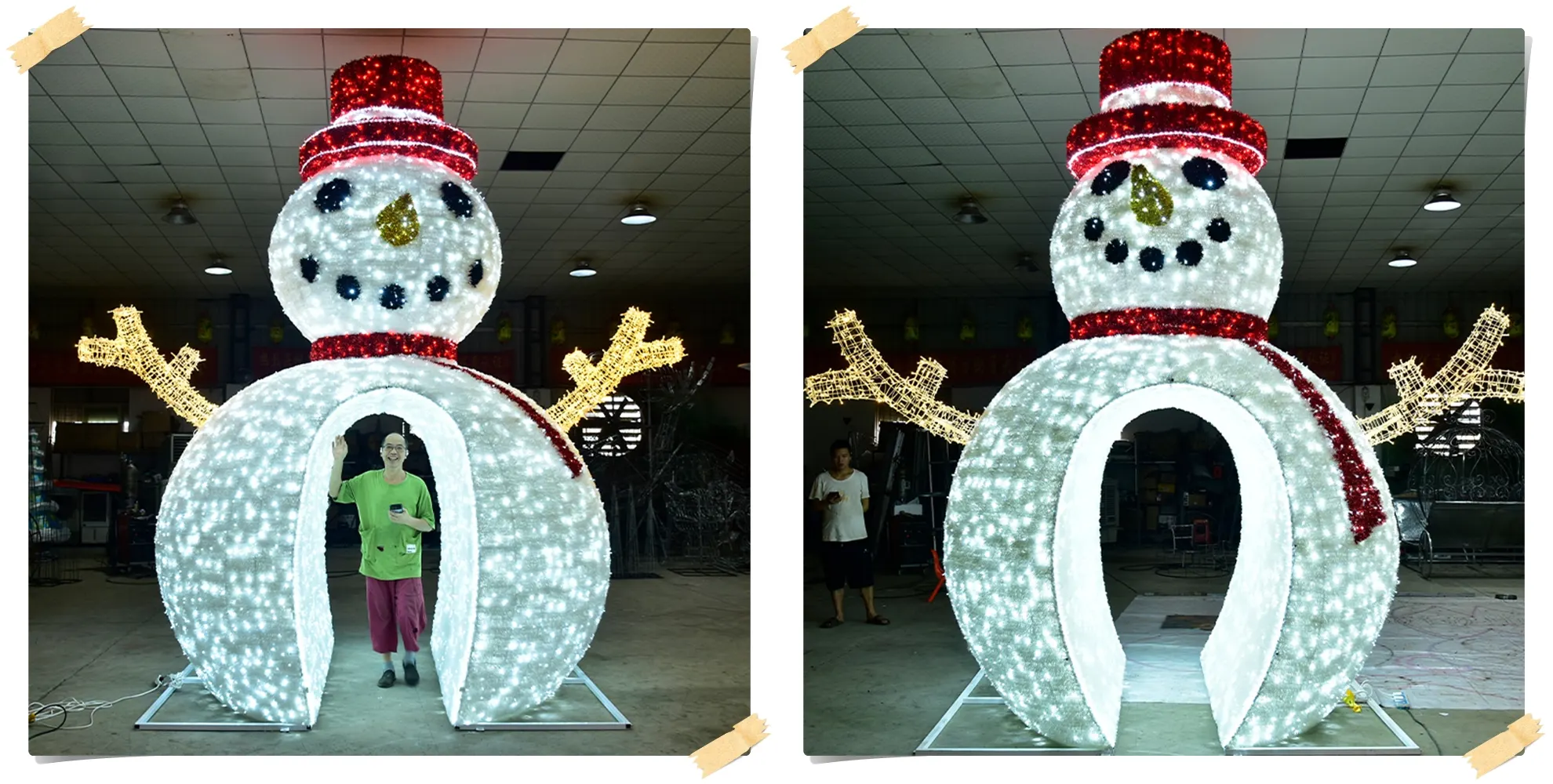
Example: LED Snowman Light Sculpture
A good example of modern illuminated sculpture is the LED snowman light sculpture.
Unlike traditional sculptures made purely from stone or metal, this structure combines:
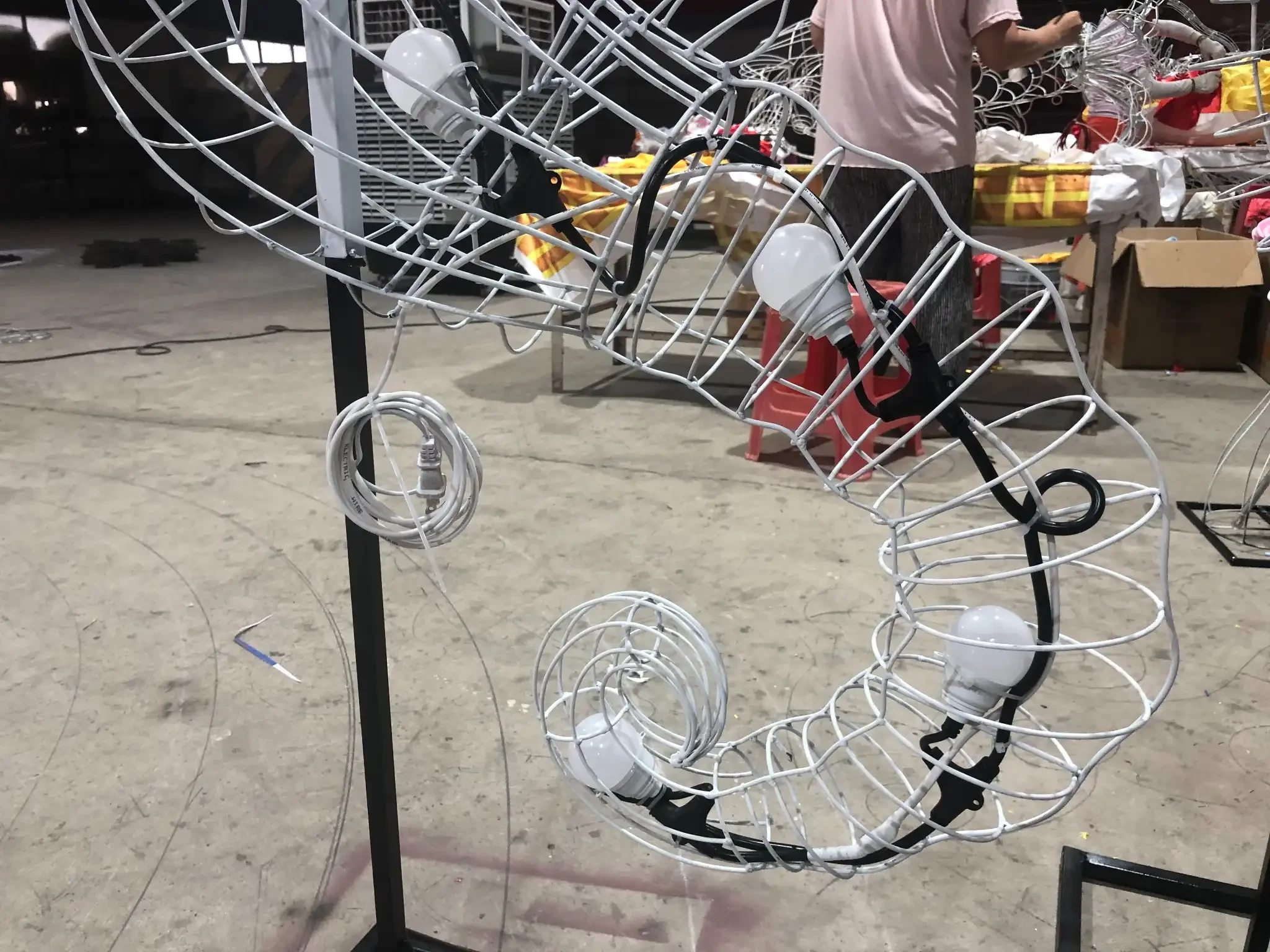
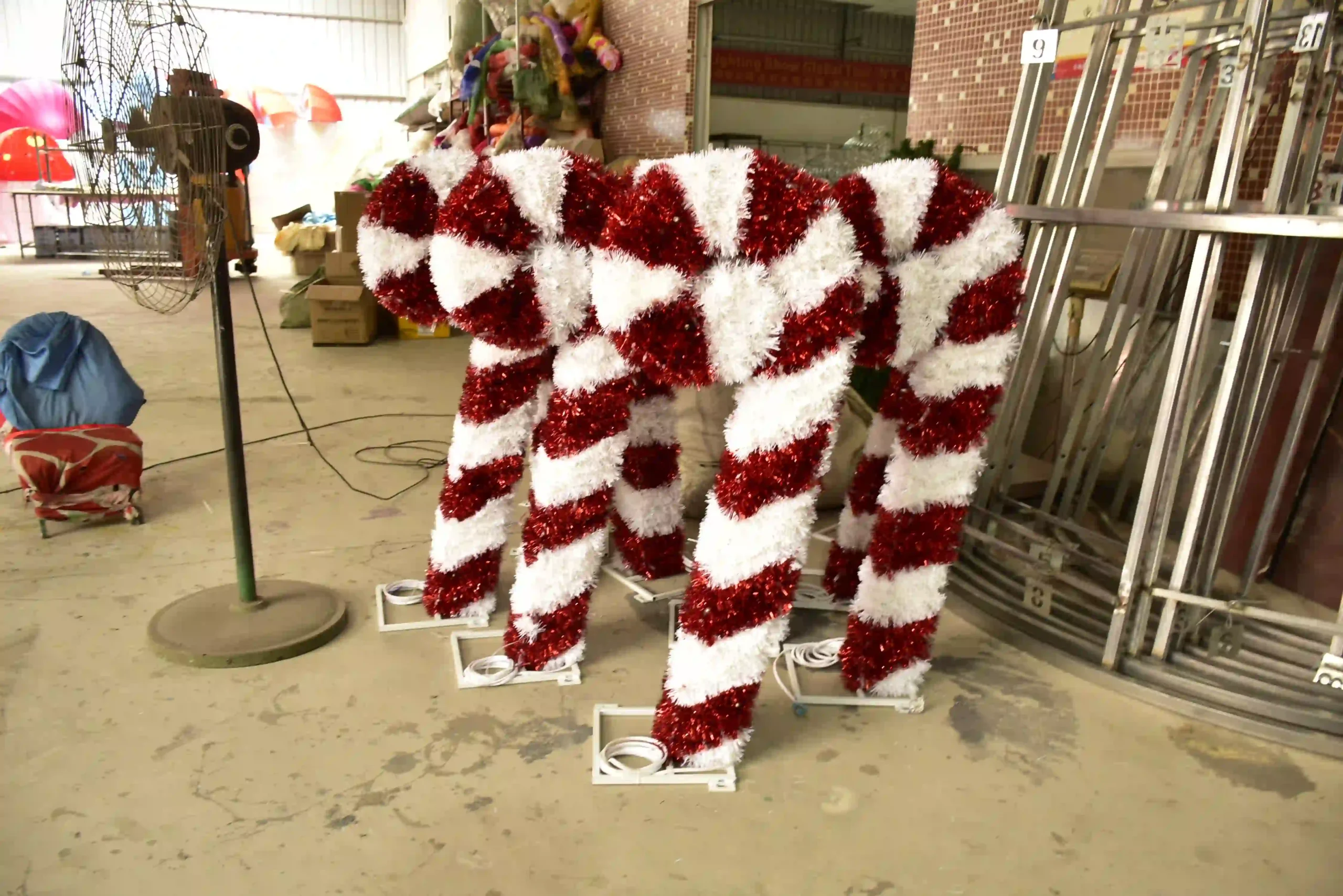
metal frame structure
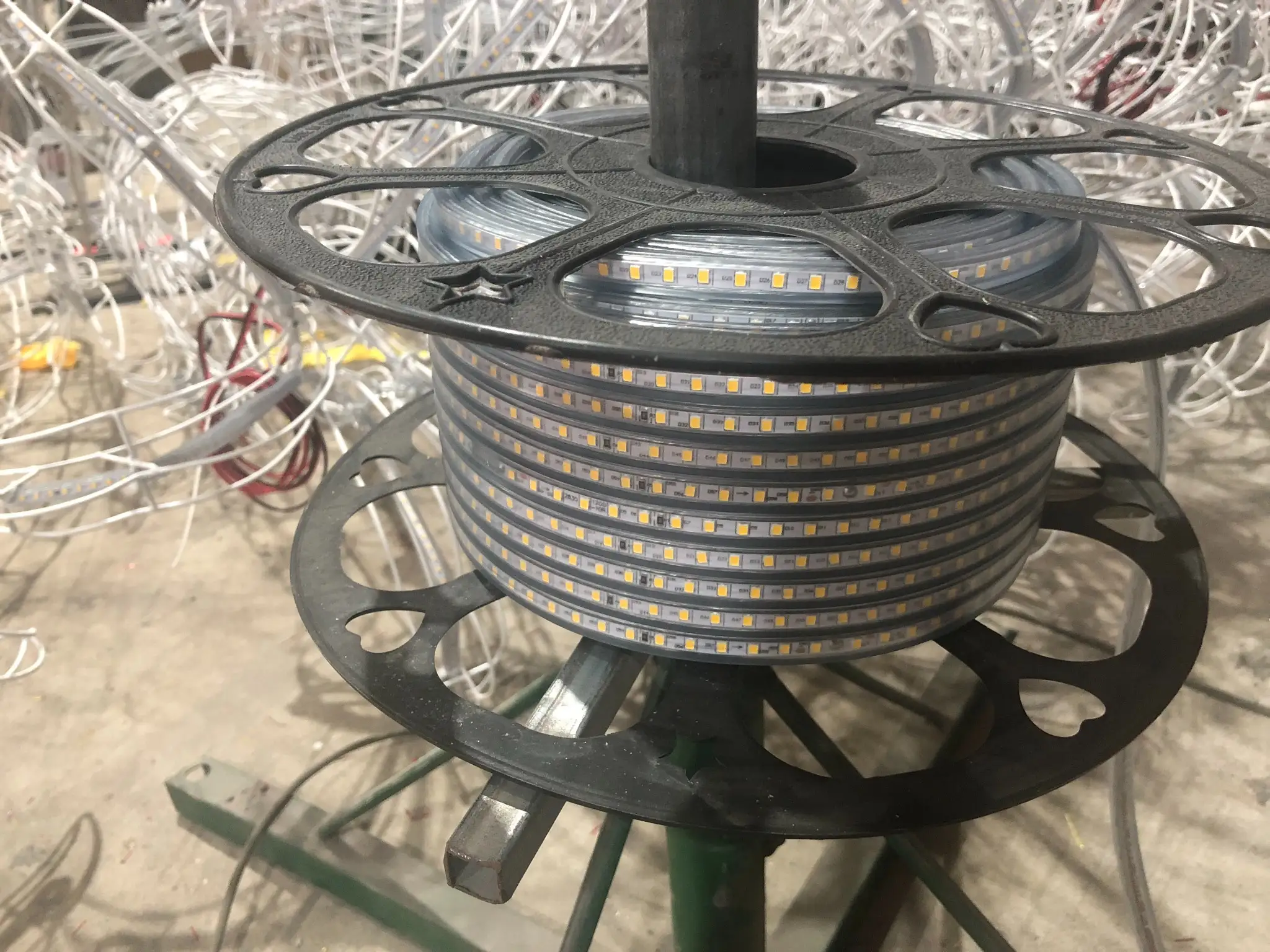
PVC coated LED string lights
decorative artificial foliage or tinsel
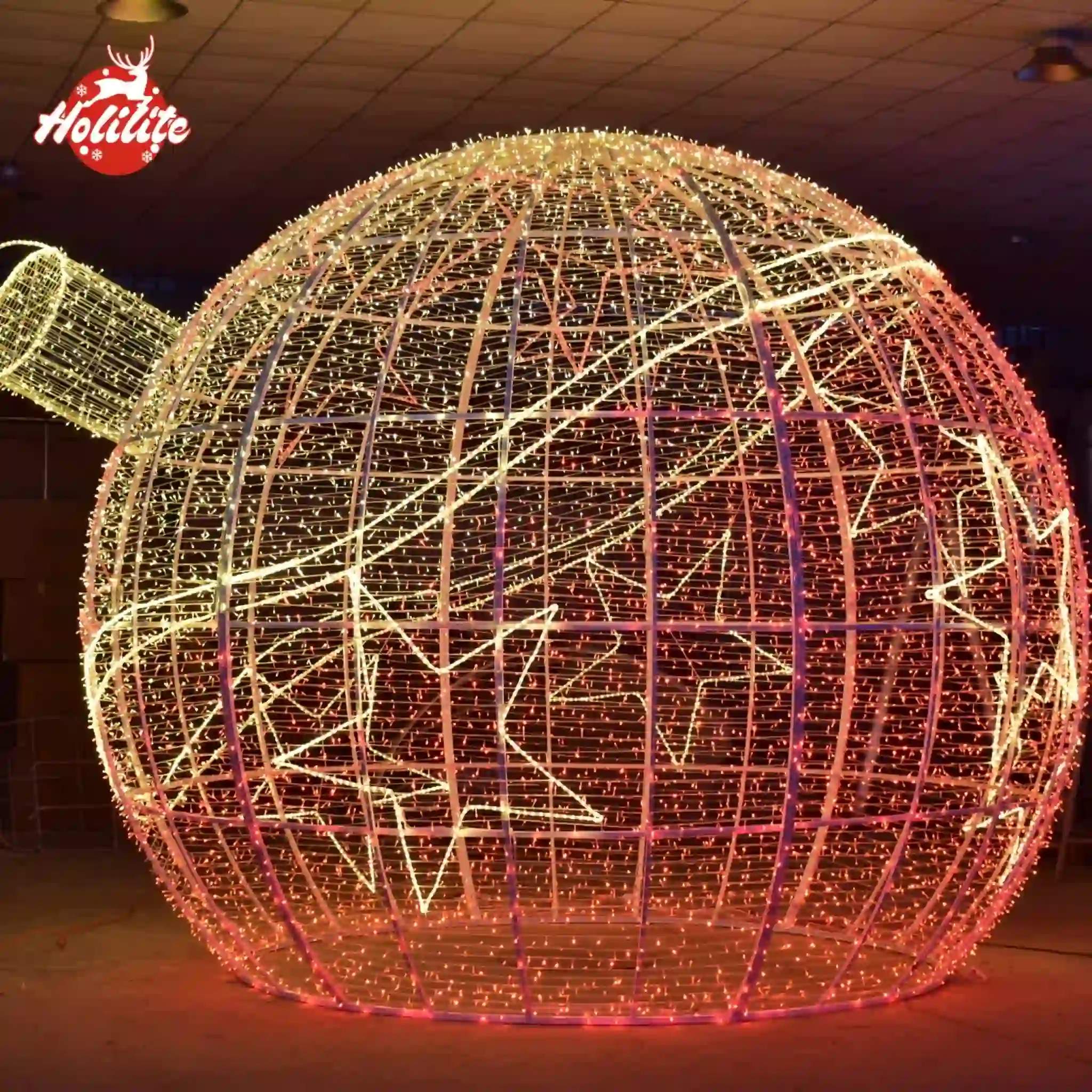
Thousands of LED lights are carefully installed across the frame, turning the sculpture itself into a glowing object.
In the example above, the snowman sculpture is designed as a walk-through installation, allowing visitors to enter the structure and take photos inside.
This type of sculpture is widely used in:
Christmas markets
shopping mall decorations
city winter festivals
tourism light festivals
At night, the illuminated surface creates a magical atmosphere that traditional sculptures cannot achieve.
How PVC LED String Lights Changed Light Sculpture Design
One of the most important technologies behind modern light sculptures is the PVC coated LED string light.
Compared with traditional decorative lights, PVC string lights offer several advantages:
Durability
PVC insulation protects the wire from weather and mechanical damage.
Flexibility
The lights can easily follow complex curves and shapes.
Energy efficiency
LED technology consumes very little electricity even for large installations.
High brightness
Thousands of small light points create a sparkling visual effect.
Because of these advantages, PVC LED lights have become the standard lighting material for large decorative sculptures.