Creating Magical Walk‑Through Light Tunnels with Giant Christmas Light Structures
Step inside the glow. Imagine the enveloping warmth of millions of tiny lights, the shared awe on the faces of families and friends, the perfect photo moment captured within a luminous, larger-than-life structure. This is the magic that transforms a simple holiday outing into a cherished memory.
In today’s experience-driven economy, giant light structures like walk-through tunnels and immersive sculptures are no longer just seasonal decor. They are powerful placemaking assets that redefine commercial and public spaces. They turn shopping centers, city parks, and event venues into must-visit destinations, driving foot traffic, fostering community engagement, and generating significant revenue. This guide is for the visionaries—the project managers, marketing directors, and community leaders—tasked with creating these unforgettable experiences. Here, we will explore the strategic value of these displays, detail the types of structures available, provide a step-by-step framework for planning, and explain how to select the right expert partner to bring your grand vision to life.
Beyond Twinkle Lights: The Strategic Power of Immersive Holiday Experiences
The decision to invest in a large-scale holiday display goes far beyond aesthetics. It’s a strategic move with tangible returns that can reshape public perception and boost your bottom line. The most forward-thinking organizations understand that the value is not measured in bulbs and watts, but in the human experience it creates. This represents a fundamental market evolution from passive decoration—things people simply look at—to active placemaking, which inspires what people do, feel, and share.

Transforming Public and Commercial Spaces into Unforgettable Destinations
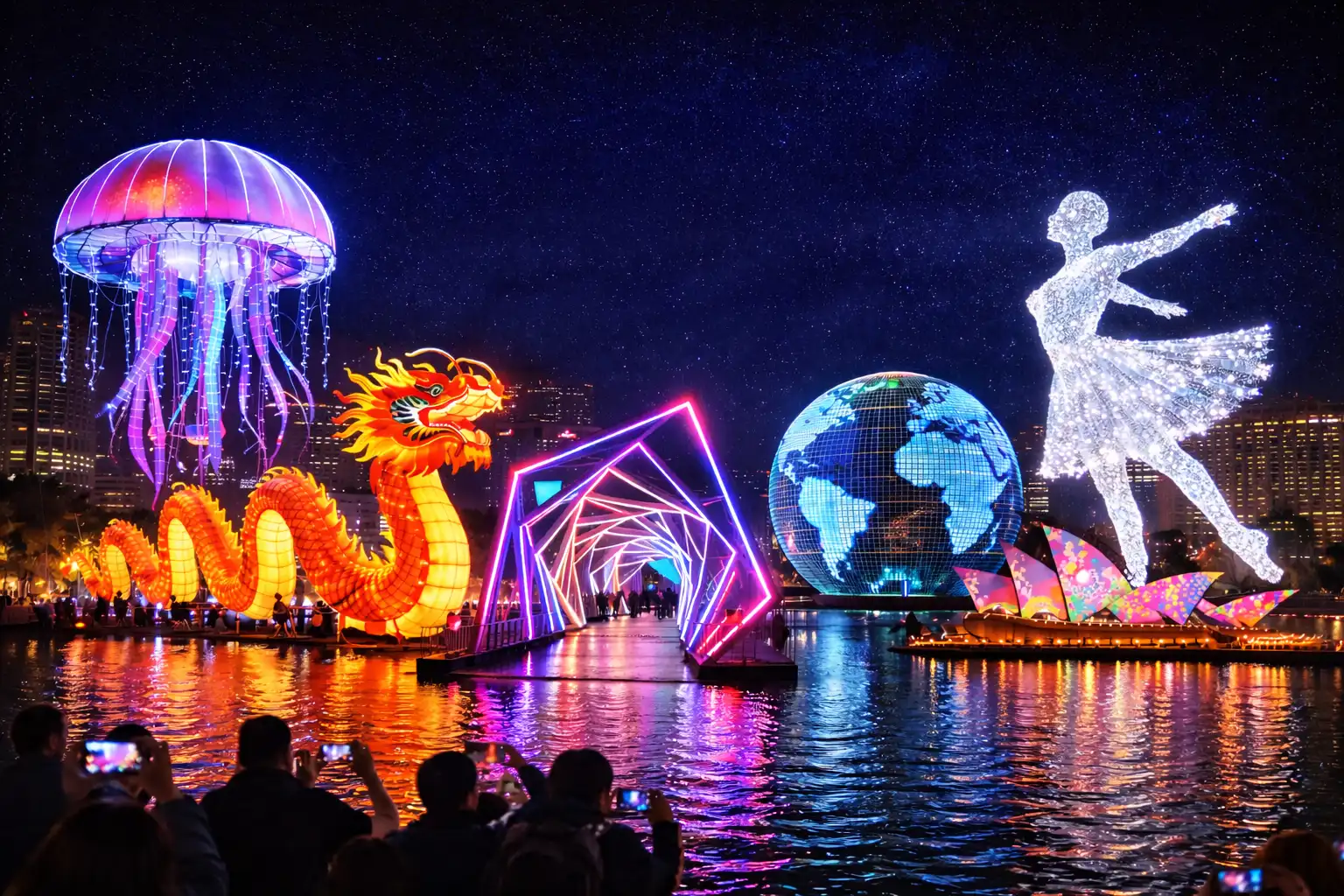
A well-executed light display can fundamentally alter the function and feel of a space during the critical holiday season. It’s about creating a “winter wonderland” that serves as a powerful magnet for the public. Companies specializing in this field focus on turning ordinary locations into “extraordinary seasonal showcases”. For a retail center, this means attracting more shoppers; for a city, it means creating a vibrant hub for community life; and for a venue, it means becoming the season’s main event. The goal is to enhance brand visibility and capture public attention during the busiest time of the year.
The ROI of “Instagrammable” Moments: Driving Foot Traffic and Social Buzz
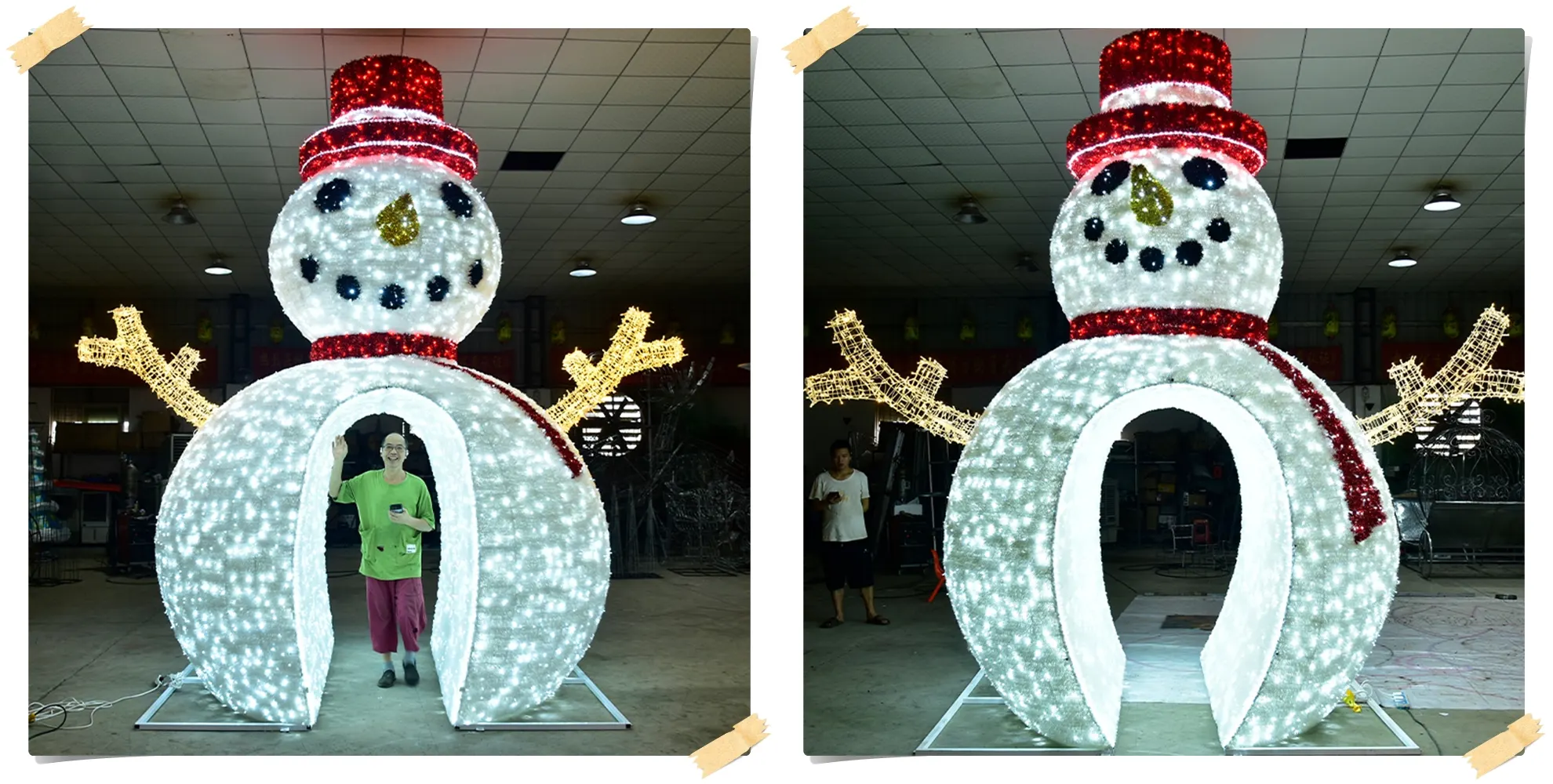
In the age of social media, the most valuable marketing is the kind you don’t pay for. Giant light structures are engineered to be “photo-friendly” and serve as the “ultimate Instagram-worthy moment”. An open-arch design, a walk-in gift box, or a mesmerizing tunnel invites visitors to not just observe the display, but to become part of it.
This interaction is the catalyst for a powerful cycle. Visitors take photos and videos, sharing them across social platforms with friends and followers. This user-generated content creates an authentic, widespread “buzz” that money can’t buy, directly driving more foot traffic as others seek out the experience for themselves. The physical structure becomes a vehicle for the real product: a shareable, memorable experience.
Extending Your Season: Creating New Revenue with Ticketed Light Shows
For many venues, such as theme parks, botanical gardens, or large estates, a giant light display can be more than a marketing tool—it can be a primary revenue stream. The strategy is to “extend your operating season and increase revenue in the 4th quarter by starting a Holiday Light Show”. By creating a destination-worthy attraction, you can implement a ticketed admission model, turning what is often a quiet or off-season period into a profitable one. This reframes the entire project, shifting it from a capital expense to a bona fide profit center.
The Anatomy of a Giant Light Structure: A Guide to Your Options
Understanding the different types of structures available is the first step in matching a display to your venue’s specific goals, layout, and budget. From immersive tunnels to iconic centerpieces, each has a unique role to play in crafting a cohesive holiday experience.
The Classic Walk-Through Tunnel: A Gateway to Wonder
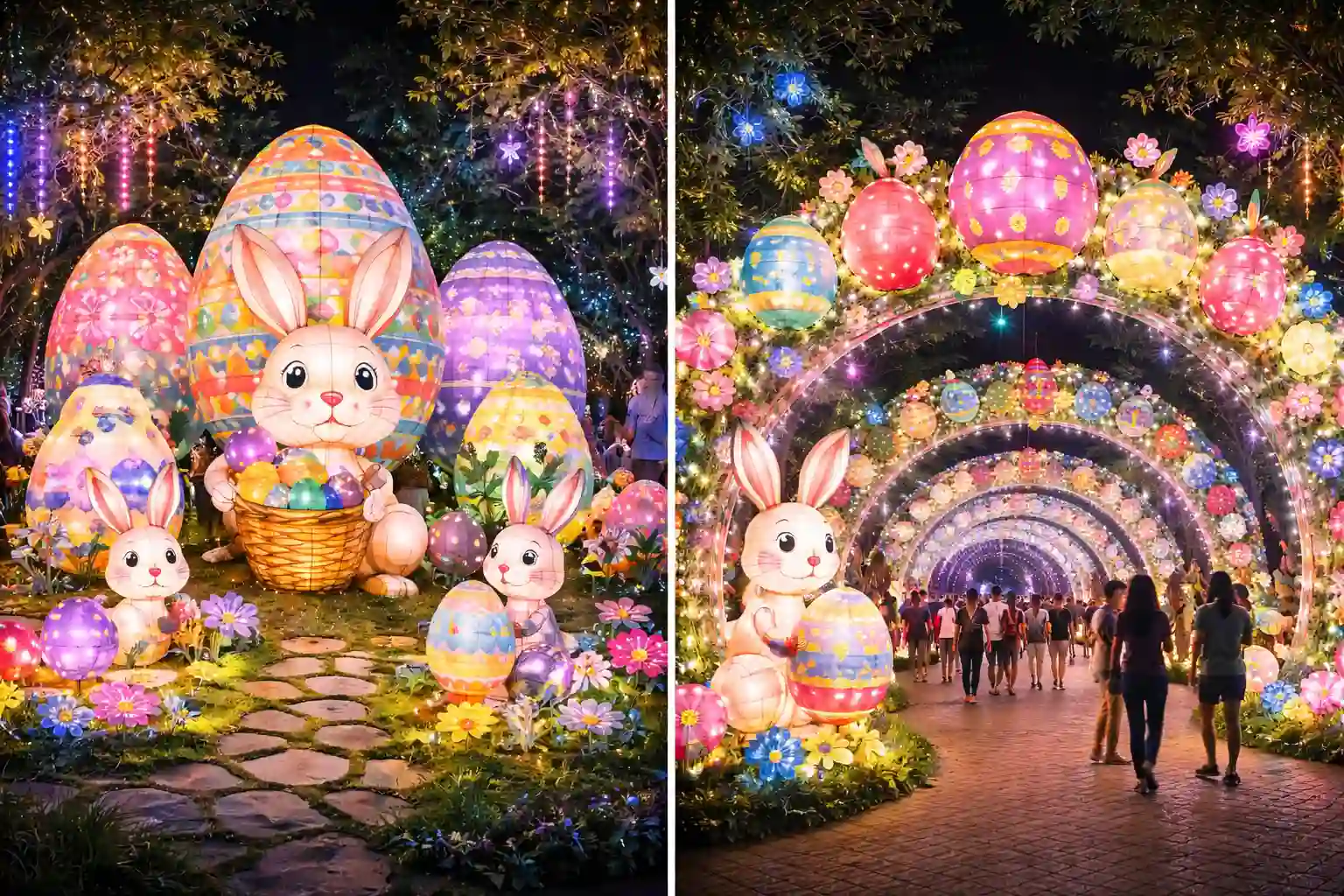
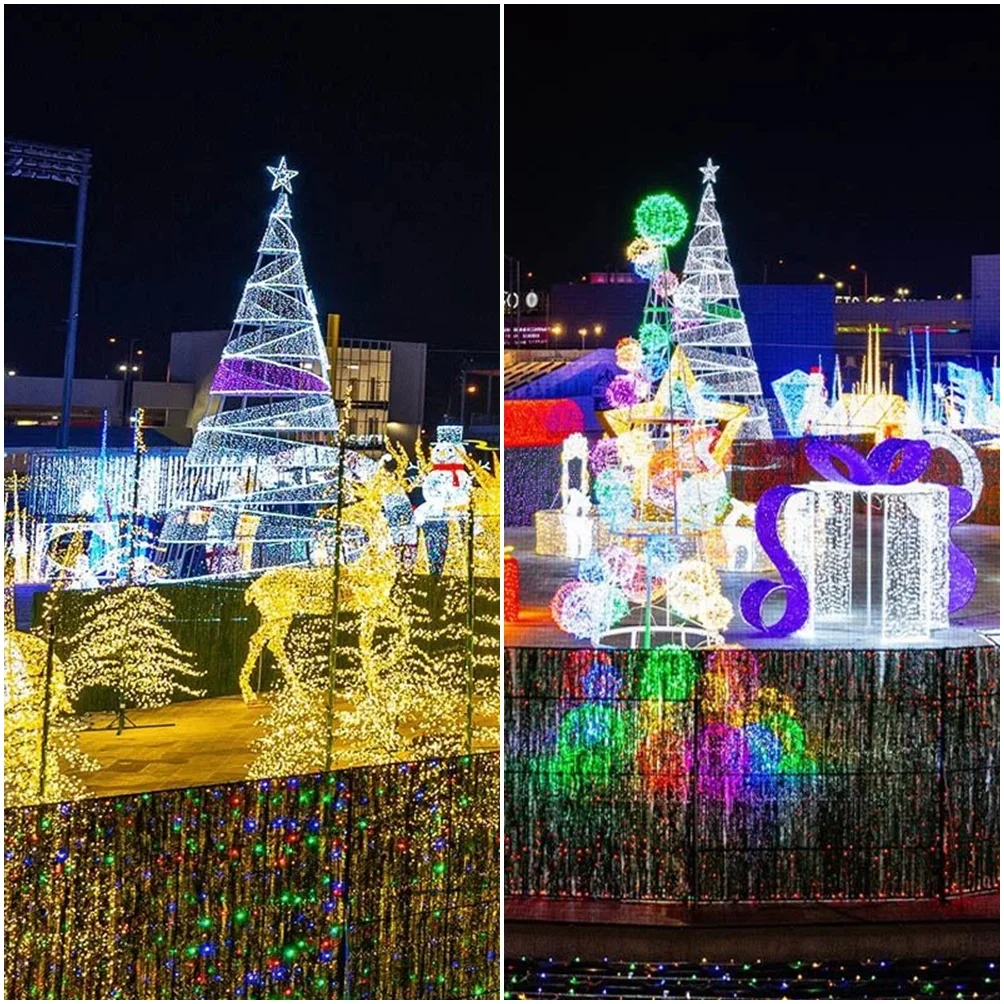
The walk-through light tunnel is the quintessential immersive experience. These structures create a “magical pathway effect,” enveloping visitors in a 360-degree world of light and color. They are highly versatile, available in lengths from 50 feet to over 200 feet, and can be configured for pedestrian walkways or even drive-through events. The best designs are modular, allowing for expansion with add-on sections as your event grows over the years.
Statement Arches and Grand Entrances for Maximum Impact
Arches are powerful architectural elements that “highlight an entry to your building, town, or park”. They act as a formal gateway, signaling to visitors that they are about to enter a special space. Options range from simple, elegant walk-through arches to complex, animated structures featuring designs like snowflakes, presents, or candy canes. An arch is a perfect framing device for photos and a clear starting point for a larger holiday journey.

Interactive Centerpieces: Giant Ornaments, Gift Boxes, and Custom Sculptures
These are the showstoppers—the focal points that draw crowds and dominate social media feeds. This category includes a vast array of 3D structures designed as “photo op” displays. Popular options include giant walk-through ornaments, massive gift boxes, and custom-designed light sculptures of reindeer, angels, or Santas. Many are crafted from durable fiberglass, available in sizes up to 8 feet or more and arranged in stunning stacks. These pieces provide a central anchor for your entire display.
Material Matters: The Difference Between Fiberglass and Powder-Coated Metal
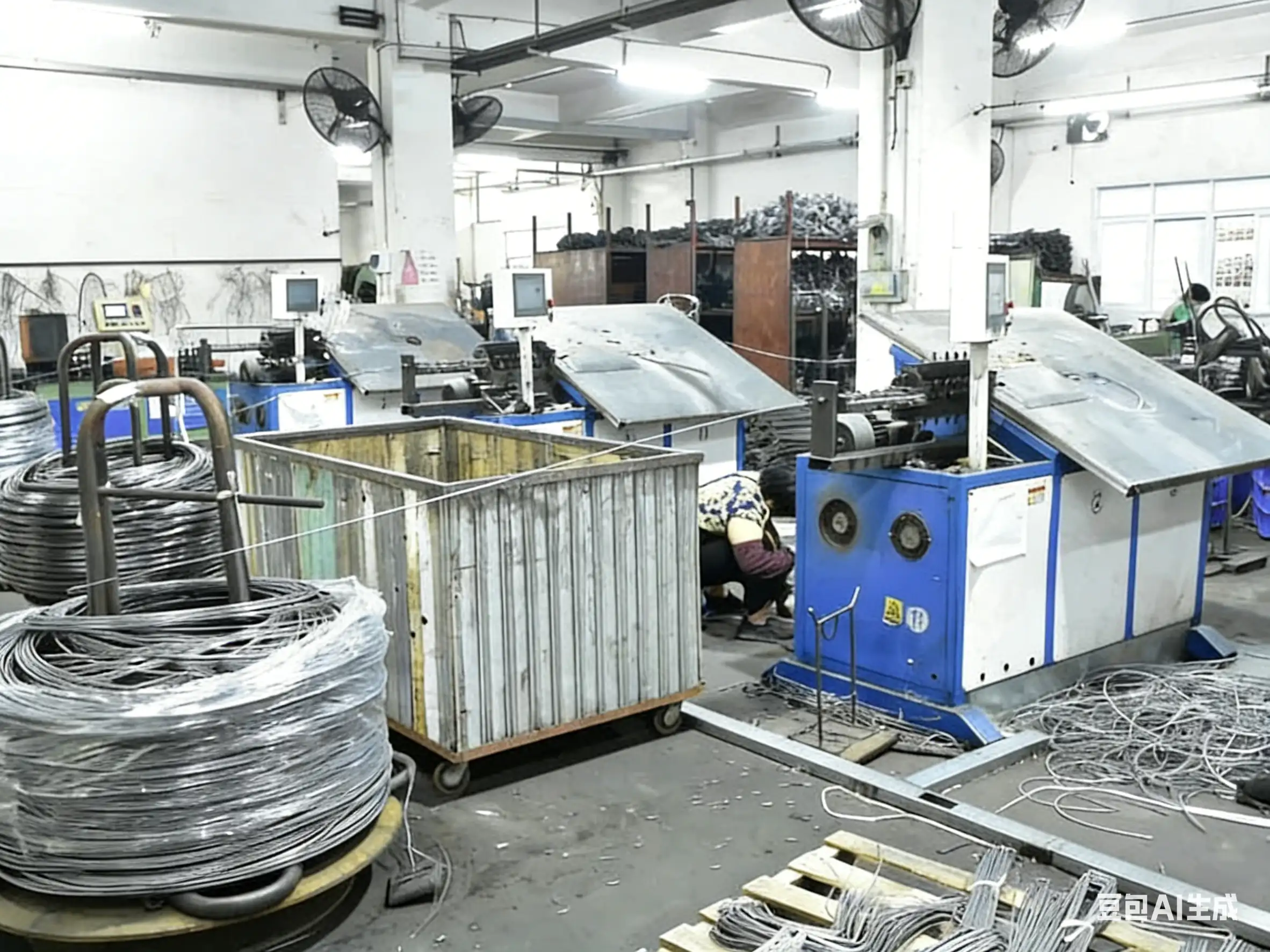
The quality and longevity of a large-scale display are determined by the materials used. Most structural frames are made from powder-coated aluminum or steel. This process provides a durable, rust-resistant finish that can withstand the elements season after season. For giant 3D sculptures like ornaments, fiberglass is often the material of choice. It is cast to be strong yet relatively lightweight and is often finished with a “marine-grade gel coat” for exceptional weather resistance and a brilliant, lasting sheen.
The Brilliance of Modern Lighting: Understanding LED, RGB, and Animated Effects
The captivating magic of modern displays is powered by advanced lighting technology. The industry has almost universally shifted to LED lights, which are far more energy-efficient, durable, and longer-lasting than their incandescent predecessors. The most dynamic displays utilize RGB (Red, Green, Blue) technology, which allows each light to produce a nearly infinite “spectrum of dynamic colors”. This technology is the foundation for creating mesmerizing animated effects, from gentle color fades to complex sequences that can be synchronized to a musical soundtrack.
From Vision to Reality: Your 4-Step Guide to Planning a Flawless Light Display
A successful large-scale installation is the result of meticulous planning and execution. Following a structured process ensures that your project stays on schedule, on budget, and delivers the spectacular results you envision. The complexity involved in power mapping, safety protocols, custom design, and logistics reveals why the most critical decision is not what to buy, but who to partner with.
Step 1: Assessing Your Canvas – Space, Layout, and Power Infrastructure
Before a single light is ordered, a thorough assessment of the installation site is essential. This process, always the first step for professional installers, grounds the project in reality and prevents costly errors down the line. Start by getting a “comprehensive view of your property,” walking the site to understand it from a visitor’s perspective. Key tasks include:
- Measuring the Area: Accurately measure the dimensions of the intended display area to ensure a proper fit.
- Identifying Power Sources: Locate all available electrical outlets and assess their capacity. This is critical for creating a safe and functional power plan.
- Planning for Traffic Flow: Consider how visitors will move through the space. Ensure that the display enhances, rather than obstructs, natural pathways and that you plan for crowd management.
Step 2: Defining Your Theme and Aesthetic for a Cohesive Experience
The most impactful displays feel like a natural extension of their environment. A cohesive theme ties all the different elements together into a single, compelling narrative. Consider what aesthetic best suits your venue, whether it is “Classic Christmas” with warm whites and reds, a frosty “Winter Wonderland” with cool whites and blues, or a playful, “Modern Chic” design with bold colors and geometric shapes. This thematic choice will guide all subsequent decisions about structure types, colors, and decorative elements.
Step 3: Navigating Project Logistics – Timelines, Safety, and Installation
The operational side of a large-scale display is complex and requires careful management.
- Timelines: Start planning early. Professional installers’ schedules fill up months in advance, and custom displays require significant lead times for design and manufacturing, often 2-4 weeks or more.
- Installation & Takedown: The full project lifecycle includes professional installation, ongoing maintenance throughout the season, and complete takedown and storage after the holidays.
- Safety: Safety is non-negotiable. This encompasses everything from using only UL-rated electrical products to ensuring all structures are securely anchored to withstand wind and crowds. A professional team will adhere to strict safety protocols for all electrical work and physical installation.
Step 4: Choosing the Right Partner: What to Look for in a Supplier
This is the single most important decision you will make. The success of your project is less dependent on the specific product you choose and more on the expertise, capability, and service model of your supplier. The primary risks—budget overruns, safety failures, logistical nightmares, and underwhelming results—are all mitigated by the right partner.

The Critical Difference Between a Reseller and a Manufacturer
The market contains many types of vendors. A simple reseller acts as a middleman, selling pre-made products. A true manufacturer, however, has direct control over the design, materials, and quality of the final product. This allows for greater customization, higher quality standards, and a deeper level of expertise.
Why Turnkey Service is a Game-Changer
The best partners offer a “turnkey service from concept to cleanup”. This all-inclusive model de-risks the project for you. A full-service provider manages every detail—design consultation, custom artwork, manufacturing, installation, seasonal maintenance, and off-season storage—allowing you to focus on your core business during the busy holiday season.
For instance, a truly integrated partner goes beyond just selling and installing. A company like HOLILITE, which operates as a specialist manufacturer, designer, and installer, can manage the entire lifecycle of a complex project. Their capabilities include everything from initial project planning and [custom design] to production, delivery, and on-site installation assistance. This end-to-end control ensures quality and a seamless process. Furthermore, they offer innovative partnership models, such as zero-cost revenue-sharing, which completely removes the upfront capital barrier for qualified venue owners, demonstrating a deep commitment to a true partnership.
Essential Considerations for a Safe, Durable, and Dazzling Installation
A professional-grade display is a significant investment. Focusing on quality, safety, and durability ensures that your installation will provide a brilliant return for years to come.
Weatherproofing and Durability for Year-After-Year Brilliance
Commercial displays are built to last. They must be constructed from “high-quality, weather-resistant materials” designed to endure wind, rain, and snow. Look for features like UV-protected PVC tubing on rope lights and durable powder-coated frames that won’t rust or fade. With proper care, a professional-grade display can have a life expectancy of 15-20 years, making the total cost of ownership very attractive.
Power Consumption and Electrical Planning for Large-Scale Displays
Amateur installations often fail due to poor electrical planning. A professional approach involves creating a detailed “Power Map” to distribute the electrical load safely and effectively. This plan accounts for the location of all available outlets and ensures that no circuits are overloaded, which could cause outages or create a fire hazard. It is essential to calculate the total power draw (watts and amps) of the entire display before installation begins.
Ensuring Public Safety, Accessibility, and Crowd Management
When you invite the public to interact with your display, their safety is your top priority. All structures must be securely anchored, especially in high-traffic areas, to prevent tipping. The layout should also be planned with accessibility in mind, ensuring that pathways are wide enough for all guests, including those with strollers or mobility challenges. For large-scale events, a comprehensive plan for managing traffic flow and parking is a critical component of the overall project.
Lighting the Way to a Memorable Holiday Season
The glow of a magnificent holiday display does more than illuminate a physical space; it lights up faces, sparks joy, and brings communities together. These grand installations of Christmas lights are powerful, strategic assets that can drive revenue, generate invaluable social media buzz, and create lasting memories.
Success, however, is not found in simply buying a product. It is achieved through meticulous planning, a deep understanding of the strategic goals, and—most importantly—a partnership with a true end-to-end expert. A supplier that can guide you from the initial concept through design, manufacturing, installation, and maintenance is the key to a flawless execution. Don’t just buy a decoration; invest in an experience. Begin the planning process for your next holiday season by seeking a consultation with a team that has the vision and expertise to transform your space into a magical destination.
Frequently Asked Questions (FAQ)
Q1: How early should I start planning my commercial holiday display? A1: It is highly recommended to begin planning in the off-season, ideally between January and September. Professional installers’ schedules fill up very quickly, and custom-designed displays require significant lead time for production and delivery to ensure they arrive in time for the holiday season.
Q2: What is the typical lifespan of a [commercial Christmas decorations]? A2: When you invest in professional-grade displays made from high-quality materials like powder-coated aluminum and fiberglass, you can expect a very long life. With proper professional maintenance and climate-controlled off-season storage, these structures have a life expectancy of 15 to 20 years.
Q3: Can these displays be customized with our city or company branding? A3: Absolutely. Leading suppliers specialize in customization. This can include creating displays in specific brand colors or adding custom vinyl logos and messaging to structures like [giant fiberglass ornaments] or entrance arches. This is an excellent way to reinforce your brand and create sponsorship opportunities.
Q4: What is involved in the professional takedown and storage process? A4: A full-service, “white-glove” package includes complete takedown services at the end of the holiday season. The professional crew carefully dismantles all lighting and structures, packs them securely, and transports them to a safe, often climate-controlled, storage facility. This protects your investment from damage and ensures it’s ready for the following year.
Q5: Are there energy-efficient options for large-scale Christmas lights displays? A5: Yes, the industry standard for all new professional displays is LED lighting. LEDs are vastly superior to older incandescent bulbs, as they consume significantly less electricity, have a much longer lifespan, are more durable against weather and handling, and produce exceptionally brilliant, true-to-life colors.