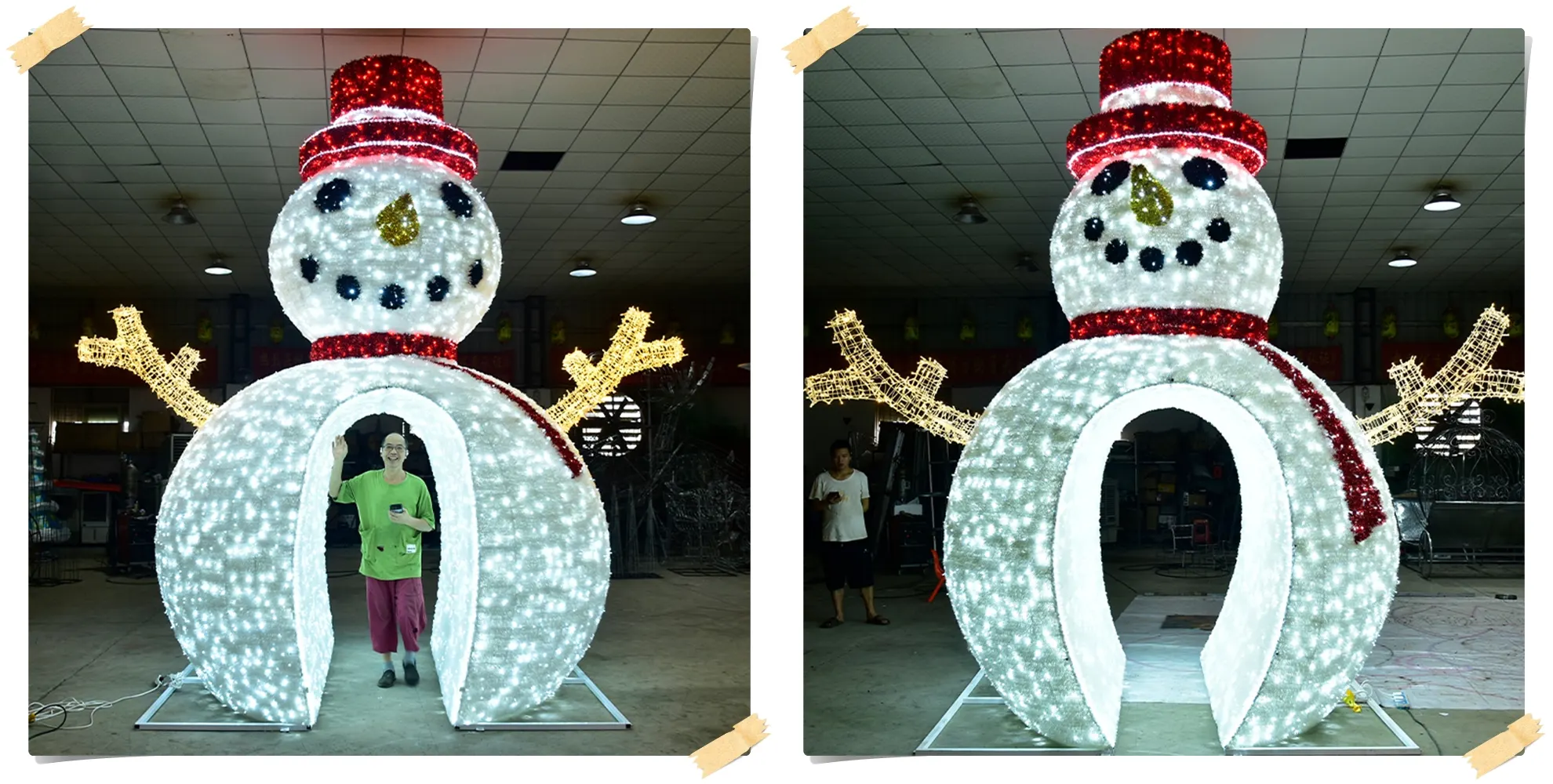
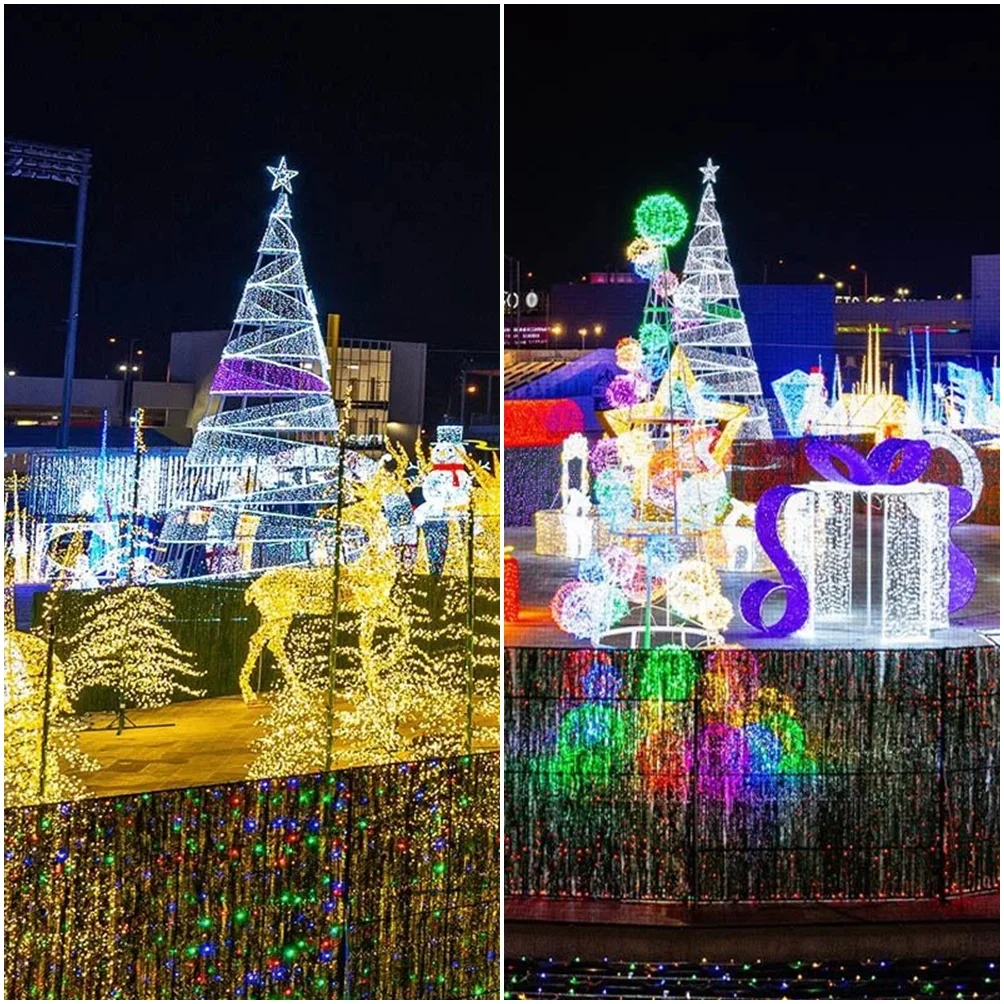
Christmas is no longer just a religious holiday. It has become a global cultural celebration that blends tradition, creativity, family bonding, and modern lifestyles. From sparkling lights to meaningful gatherings, the culture of Christmas keeps evolving while remaining surprisingly universal. Here is a clear and contemporary look at what Christmas culture means today.

1. A Blend of History and Modern Life
Christmas originally commemorated the birth of Jesus, but its cultural roots stretch much further. Ancient winter festivals, European folklore, and modern pop culture all influenced the holiday. This mix of old traditions and new expressions is what makes Christmas feel both timeless and constantly refreshed.
2. The Heart of Christmas Culture: Human Connection
Across countries and languages, the culture of Christmas centers on the same idea: bringing people together.
It emphasizes
sharing and generosity
family and community
appreciation and gratitude
celebration and relaxation
Christmas remains popular because these values speak to people everywhere.
3. Symbols Everyone Recognizes
Although each culture celebrates differently, Christmas has a set of global symbols that almost everyone understands:
Christmas trees as a sign of hope and renewal
Lights representing warmth and positivity
Santa Claus as a symbol of generosity and imagination
Wreaths, ornaments, and decorations that create festive atmosphere
Music and movies that build shared memories
These symbols make Christmas instantly familiar across the world.
4. Christmas Looks Different Around the World
Christmas culture is not fixed. It adapts to local customs and lifestyles.
In the United States and Europe, families gather for meals, exchange gifts, and visit Christmas markets.
In Latin America, celebrations include parades, religious ceremonies, and lively gatherings.
In many Asian countries, Christmas is more commercial and romantic, with city decorations and gift-giving.
In Australia and New Zealand, Christmas happens in summer, so people celebrate outdoors, often at the beach or with barbecues.
This adaptability is a major reason Christmas has become a truly global cultural event.
5. The Modern Meaning of Christmas
Today, Christmas carries broader emotional meaning that goes beyond religion. People associate it with
gratitude
kindness
togetherness
slowing down and enjoying life
Christmas culture endures because it brings warmth and a sense of ritual to the end of the year.
Conclusion
Christmas culture continues to evolve, shaped by tradition, creativity, and the shared desire for connection. As creators and innovators in the world of Christmas culture, we bring these values to life through light. Our work helps customers transform ideas into unique, memorable Christmas experiences—each one filled with warmth, imagination, and festive spirit.
If you are ready to create a Christmas culture that truly belongs to you, contact us and let’s bring your vision to light.