How Did People Light Up Sculptures in Ancient Times?
Long before electricity existed, lighting sculptures was both an art and a necessity. In ancient Western civilizations such as Greece and Rome, sculptures were often displayed in temples, public squares, and palaces. To make them visible at night, people relied on natural flame-based lighting.
Common methods included:
Torches and Fire Bowls
Large sculptures in public spaces were illuminated using torches or open fire basins placed nearby. The flickering light created dramatic shadows, enhancing the sculpture’s visual impact.Oil Lamps
In temples and indoor environments, small oil lamps were placed around statues. These provided a steady glow and were often used to highlight religious sculptures.Candles (Medieval & Renaissance Periods)
As time progressed, candles became more common, especially in churches and galleries. Sculptures of saints and figures were softly illuminated, creating a spiritual atmosphere.
However, these methods had clear limitations:
Light was unstable and uneven
Maintenance was labor-intensive
Fire risk was high
No control over brightness, color, or effects

The Turning Point: From Fire to Electricity
With the invention of electricity, sculpture lighting entered a new era.
Floodlights began to illuminate monuments and public statues
Spotlights allowed focused highlighting of details
Museums adopted controlled lighting systems to enhance visual presentation
But even these systems required installation, wiring, and technical setup.
Modern Solution: Plug-and-Play Lighted Sculptures
Today, lighting a sculpture is no longer complicated.
Instead of installing external lighting systems, you can simply choose a pre-lit LED sculpture.
How It Works:
Unpack the sculpture
Assemble the frame (if needed)
Connect the power supply
Switch it on
That’s it — your sculpture is instantly illuminated.
Why Modern Lighted Sculptures Are Better:
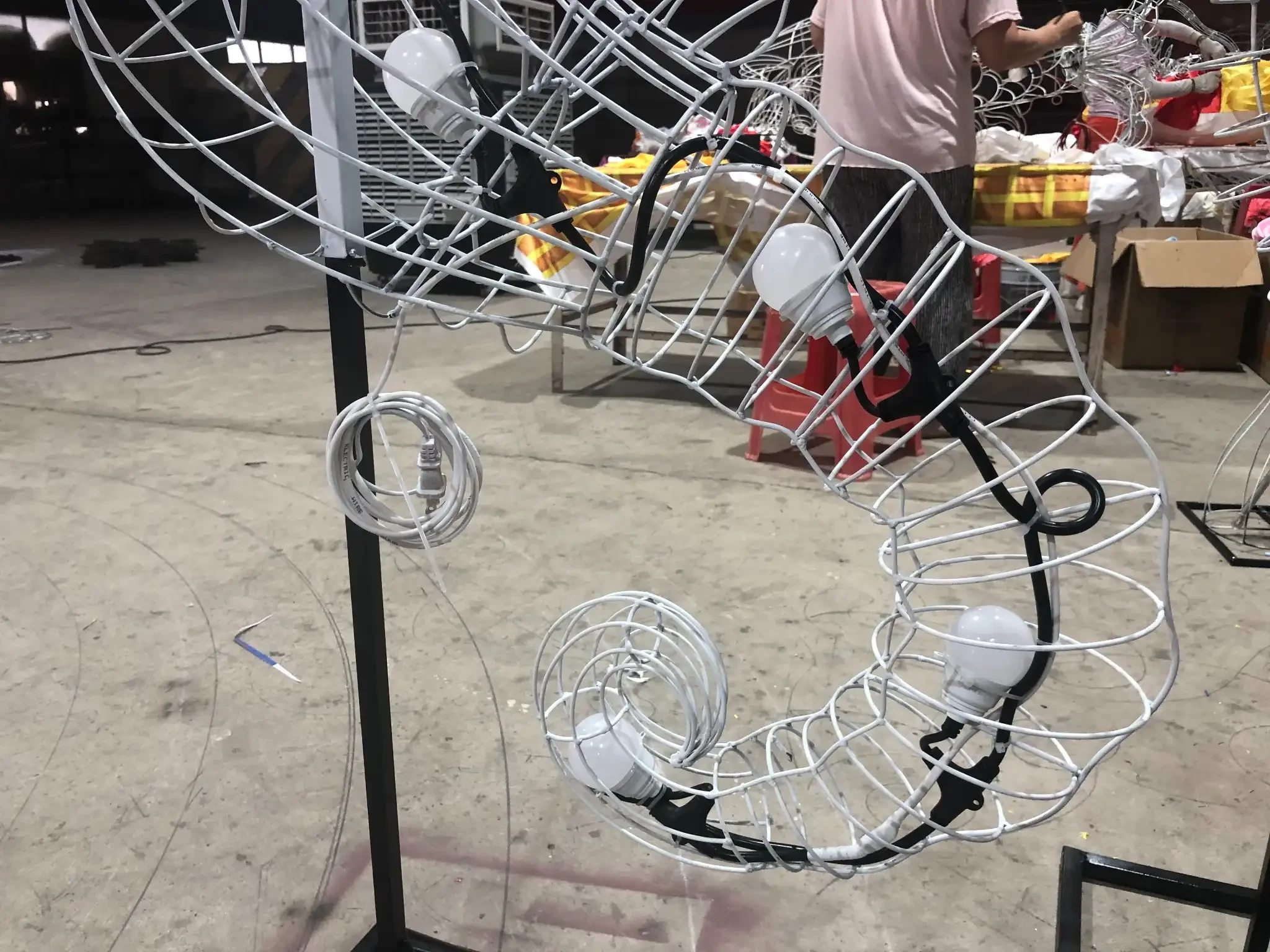
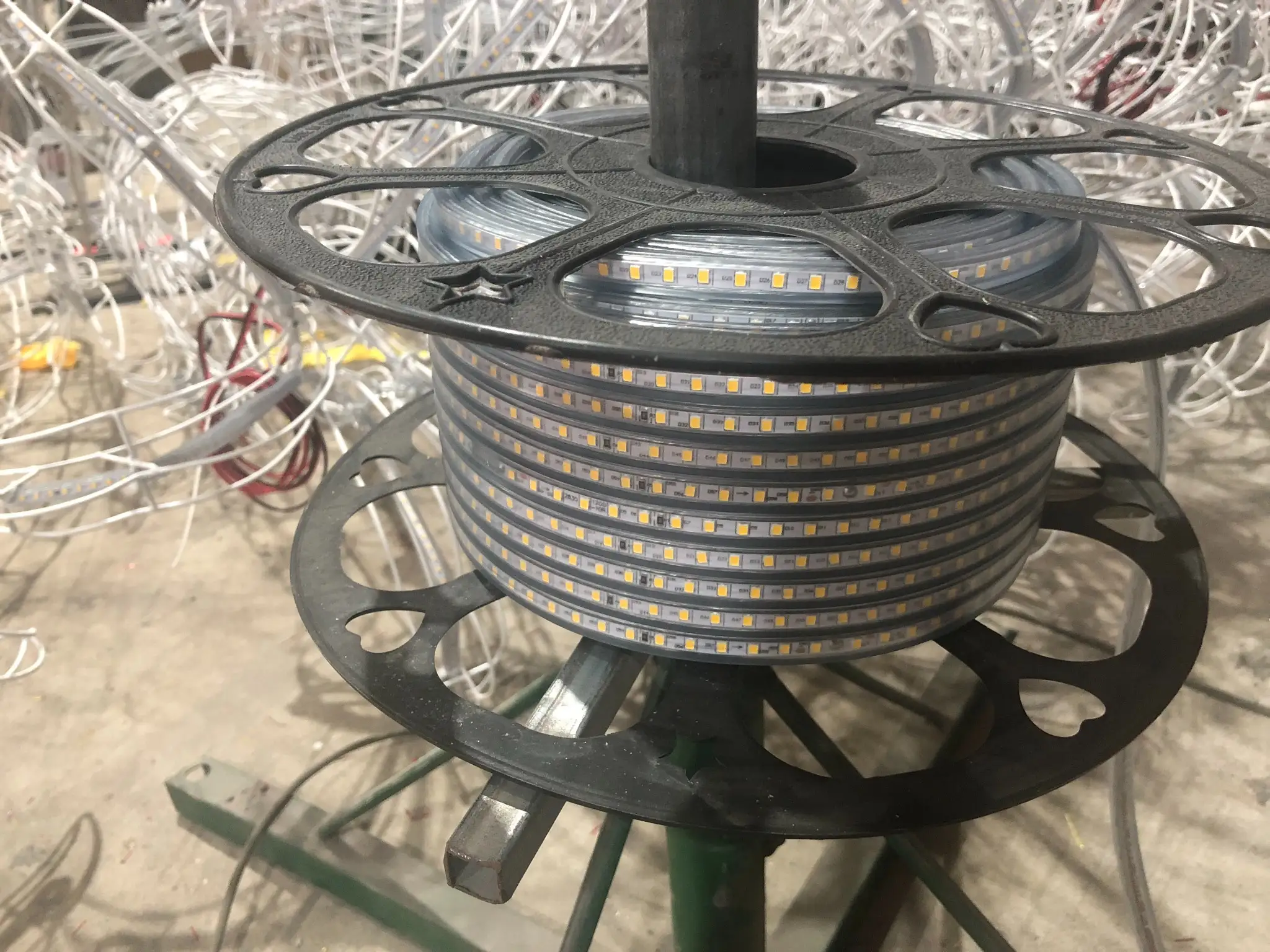
Built-in LED lighting (no extra setup)
Energy-efficient and long lifespan
Uniform brightness and color
Waterproof for outdoor use (IP65+)
Safe and low voltage options (24V / 110V / 220V)
Examples of Lighted Sculptures
1. Light Up Bear Sculpture
Ideal for parks, malls, and holiday displays
Creates a warm, friendly atmosphere
Popular for photo zones and family events
2. Light Up Christmas Tree Sculpture
Large-scale centerpiece for plazas and commercial spaces
High visibility and strong festive impact
Can be customized in height, color, and LED density
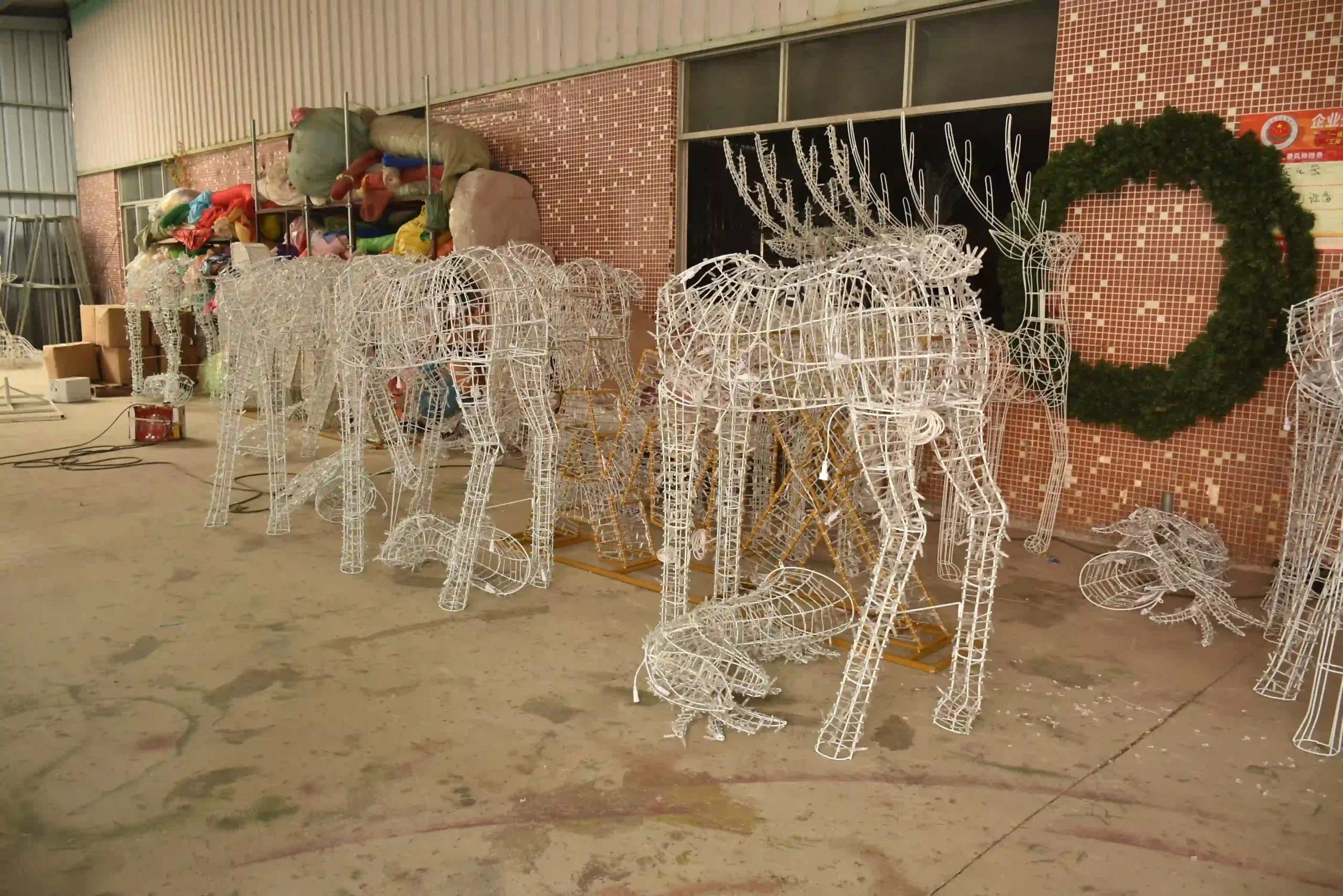
3. Light Up Reindeer Sculpture
Classic Christmas decoration
Often used in groups with sleigh scenes
Available in static or animated designs
4. Light Up Angel Sculpture
Elegant and symbolic display
Suitable for religious events, winter festivals, and public installations
Soft lighting enhances a premium visual effect
Conclusion: From Flame to Instant Illumination
Lighting sculptures has evolved from manual fire-based methods to fully integrated LED systems.
In the past, illuminating a sculpture required:
Constant maintenance
Skilled setup
Significant safety risks
Today, it’s as simple as:
👉 Assemble → Plug → Light Up
For commercial buyers, event planners, and city projects, modern lighted sculptures provide a fast, safe, and visually powerful solution—without the complexity of traditional lighting systems.