Christmas-Themed Light Products: How Holiday Culture Shapes Lighting Design
A cultural knowledge sharing from holiday lighting specialists at Holilite
When discussing Christmas-themed light products, it is important to understand that these products are not created purely for decoration or commerce.
They are a material expression of Christmas culture, shaped by centuries of tradition and later transformed by urban celebrations, public festivals, and commercial spaces.
This article explains how Christmas culture influences themed light products, from symbolism to form, and why these products exist in the way we see them today.
Christmas Culture as the Foundation of Themed Light Products
Christmas is a cultural event built around light in the darkest season of the year.
Historically, light symbolized hope, warmth, faith, and renewal. As Christmas celebrations moved from private homes into public spaces, light became a shared visual language.
Christmas-themed light products are the physical result of this cultural shift:
From candlelight to electric illumination
From family rituals to community celebrations
From symbolic meaning to visual storytelling
Why Christmas Lights Became “Themed”
Early Christmas lighting focused on simple illumination. Over time, people began to associate specific symbols with Christmas stories and values.
This gave rise to themed light products, where lighting carries narrative meaning.
Common cultural themes include:
The story of Christmas (angels, stars, nativity symbols)
Winter nature (snowflakes, reindeer)
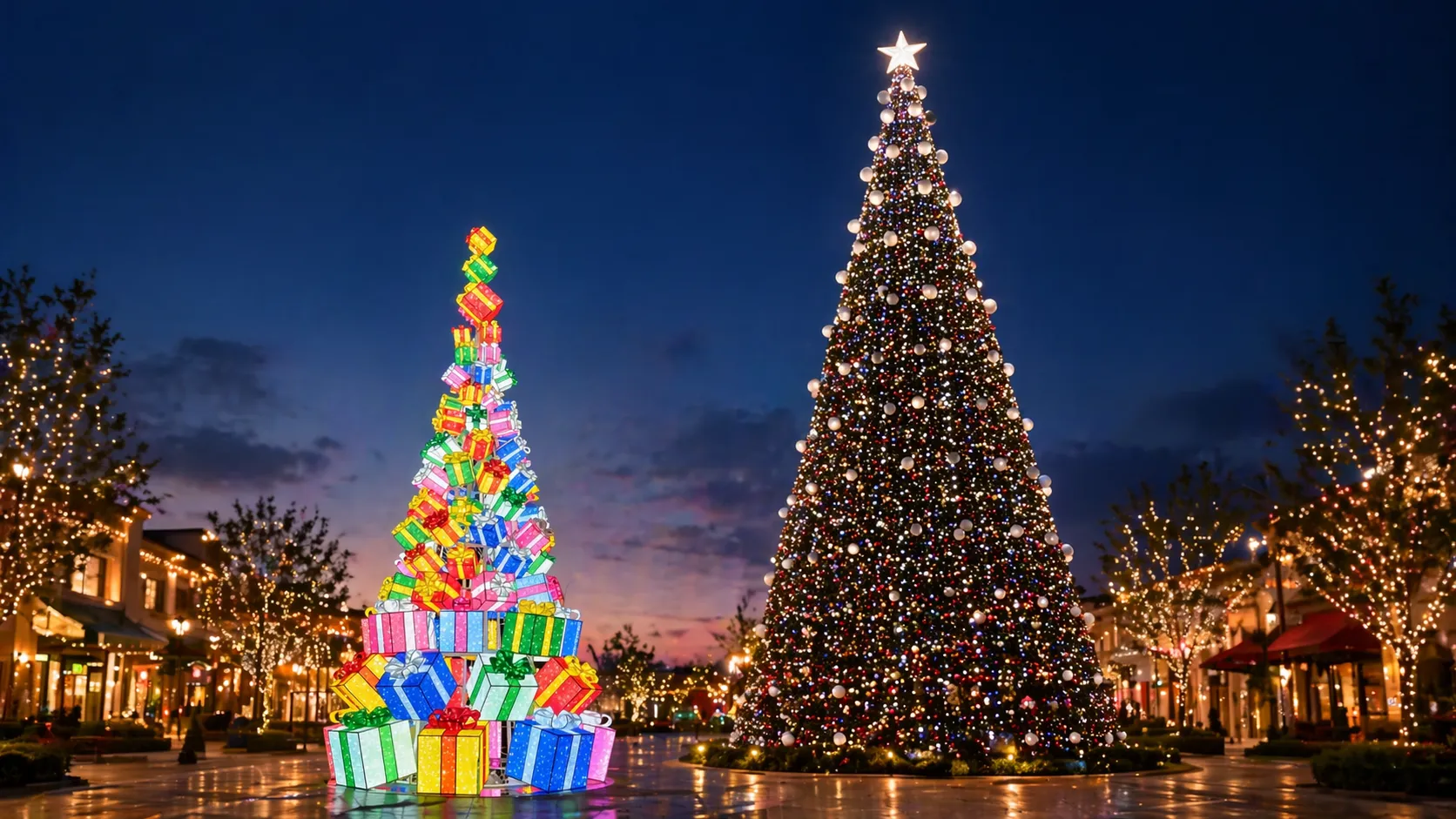
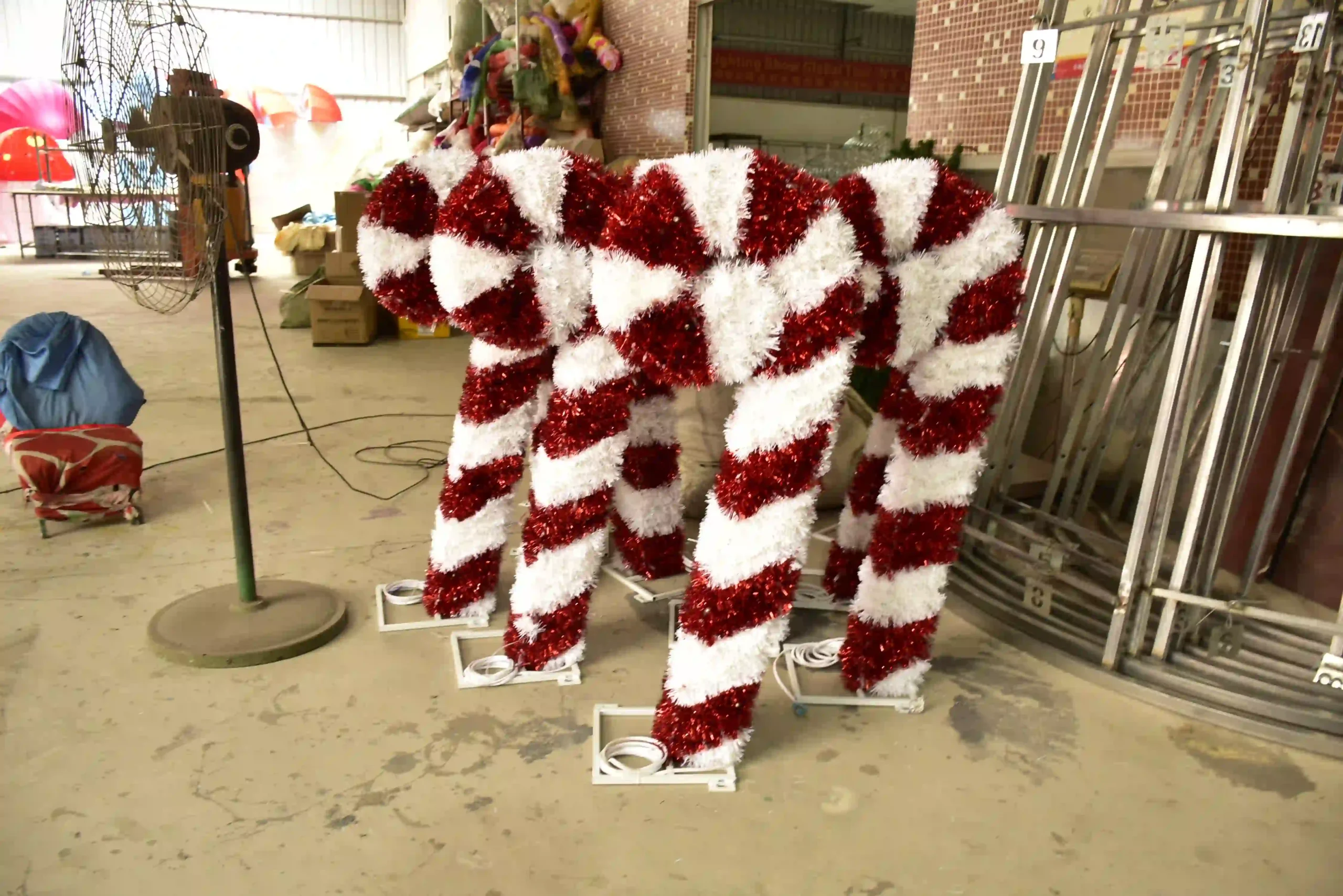
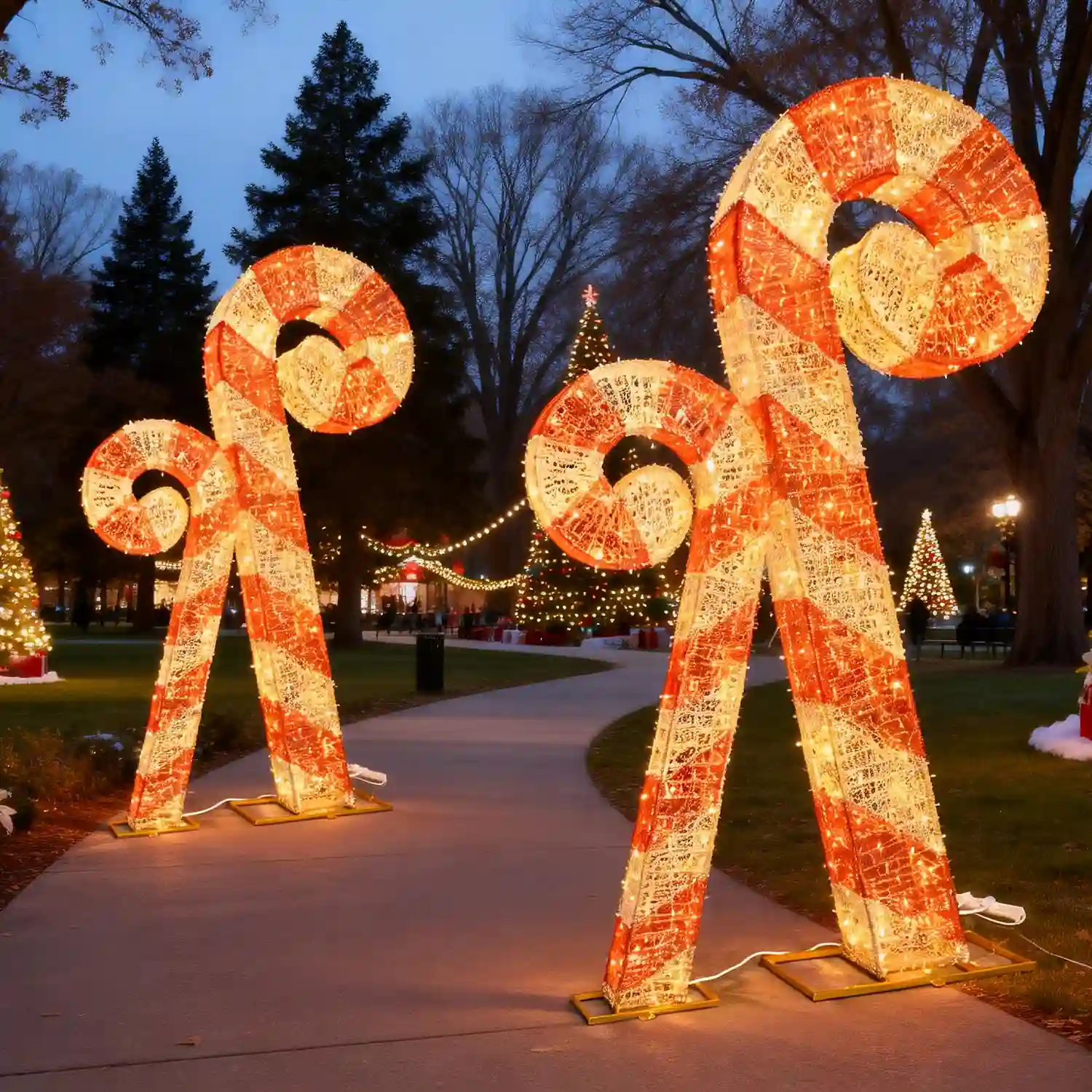
Celebration and gathering (trees, arches, light tunnels)
These themes transformed lighting from a utility into a cultural object.
The Role of Theme Lights in Modern Christmas Celebrations
In modern cities and commercial spaces, Christmas-themed light products serve multiple cultural purposes:
Creating a recognizable seasonal identity
Reinforcing shared traditions in public environments
Encouraging social interaction and festive movement
Theme lights help people immediately recognize that a space has entered the Christmas season, even without music or signage.
Cultural Meaning Behind Popular Christmas Theme Light Products
Each type of themed light product exists because of deep cultural association, not random design.
Christmas tree light structures reflect continuity, life, and tradition
Star and angel light motifs symbolize guidance and peace
Reindeer and sleigh light sculptures connect to folklore and storytelling
Warm white illumination echoes candlelight and emotional warmth
Professional designers respect these cultural meanings when developing theme light products.
Why Theme Lights Are Used in Public and Commercial Spaces
From a cultural perspective, public Christmas lighting is about shared experience, not personal expression.
Theme light products allow:
Large groups to participate in the same visual tradition
Cities to express seasonal identity
Commercial spaces to align with cultural expectations
This is why theme lights are carefully designed to be symbolic, recognizable, and emotionally familiar.
How Cultural Understanding Influences Product Design
In professional holiday lighting development, cultural understanding influences:
Shape selection
Color temperature choices
Scale and proportion
Scene composition
Products that ignore cultural context often feel visually impressive but emotionally disconnected.
Culturally informed theme lights, by contrast, feel natural and timeless.
The Evolution of Christmas Theme Light Products
As Christmas culture continues to evolve, theme light products evolve as well:
From static symbols to immersive light scenes
From single motifs to connected lighting environments
From decoration to cultural storytelling
Despite changes in technology, the cultural core remains constant.
Conclusion
Christmas-themed light products are not simply seasonal decorations.
They are cultural carriers, translating Christmas traditions, stories, and emotions into visual form.
Understanding the cultural roots of these products helps explain why certain designs endure year after year, and why themed lighting remains central to Christmas celebrations worldwide.